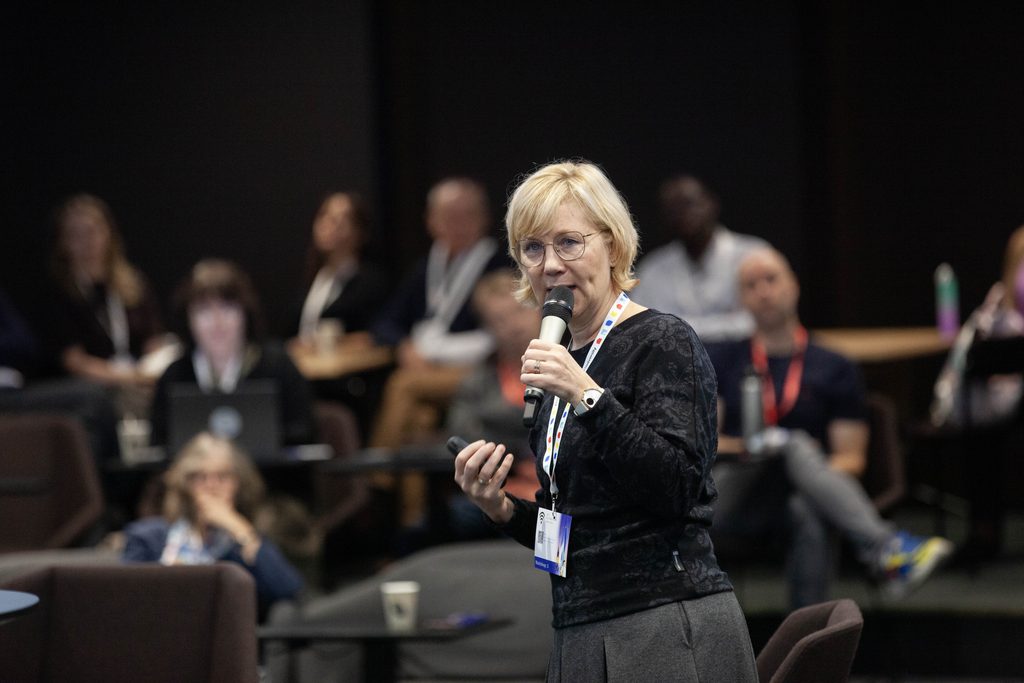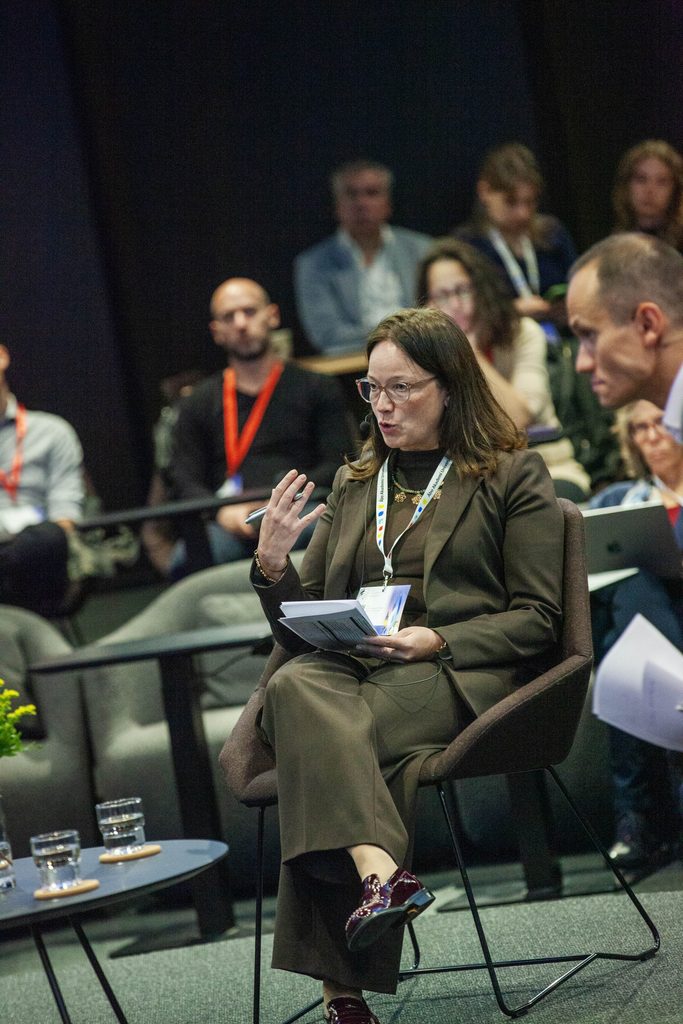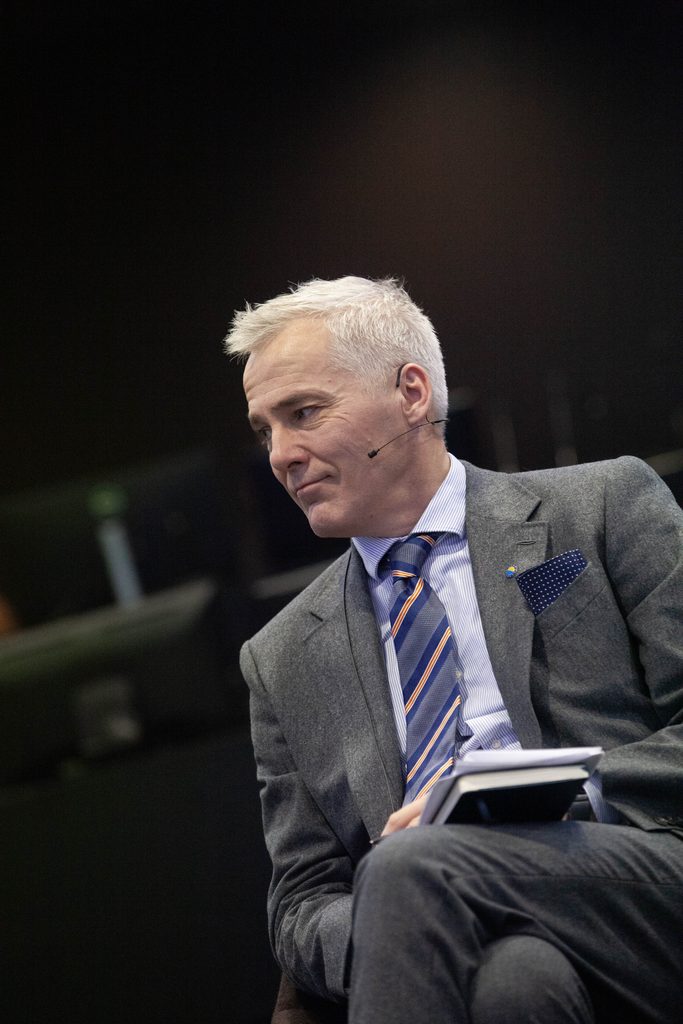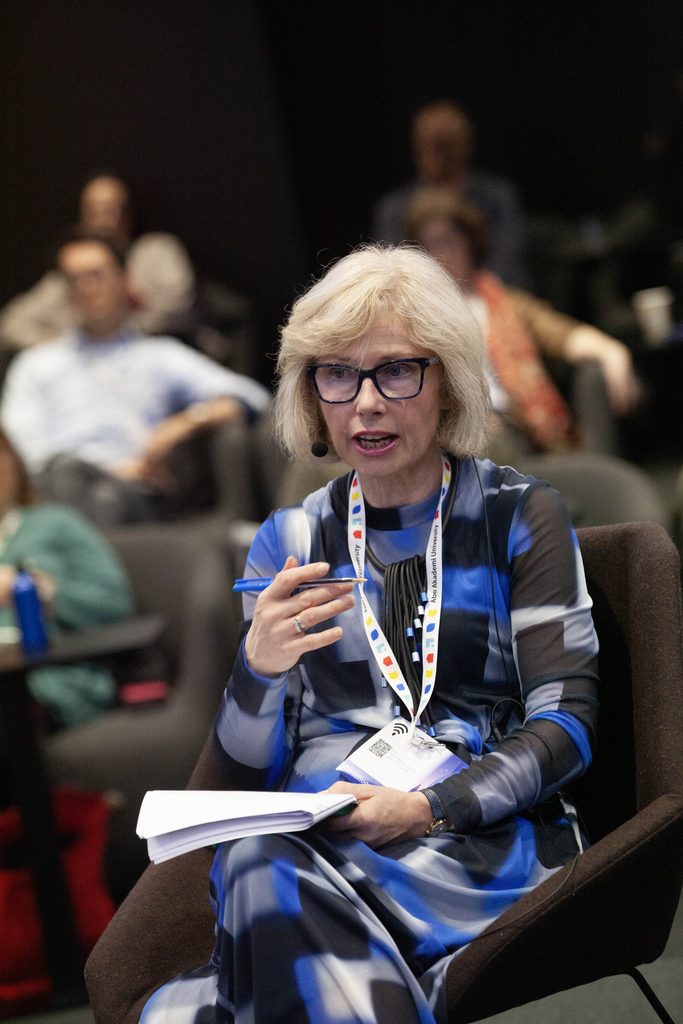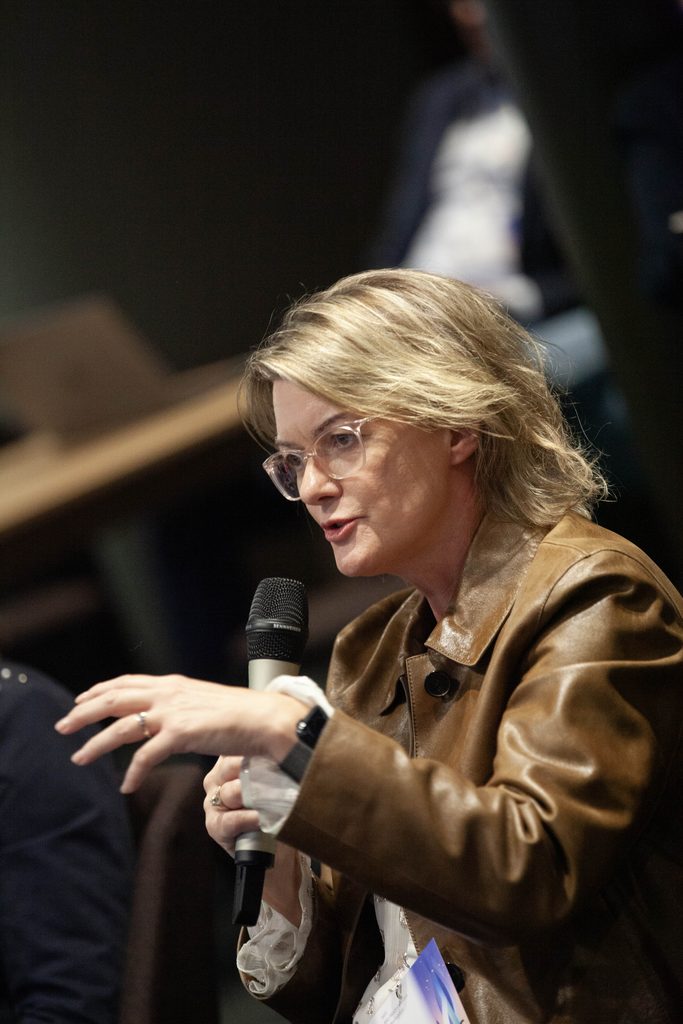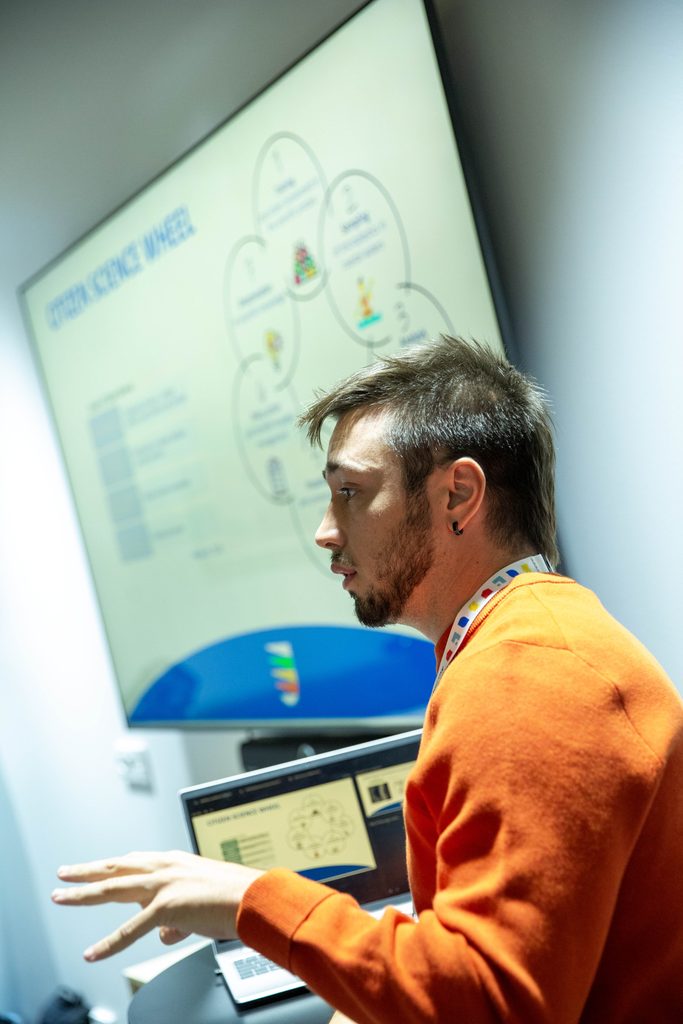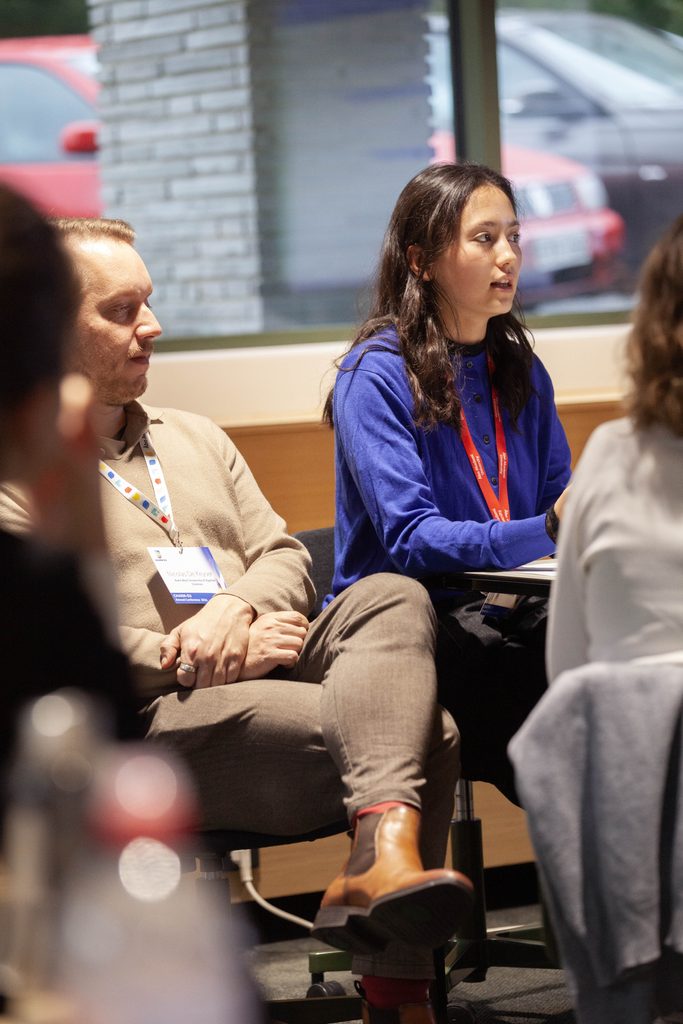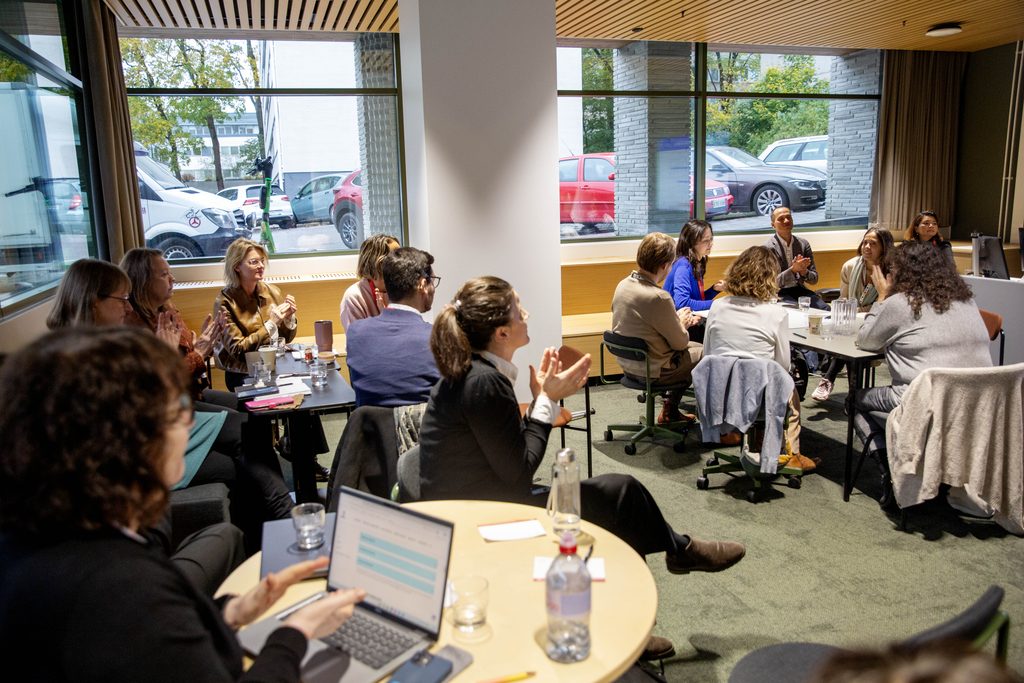
All photos were taken by Robert Sege.
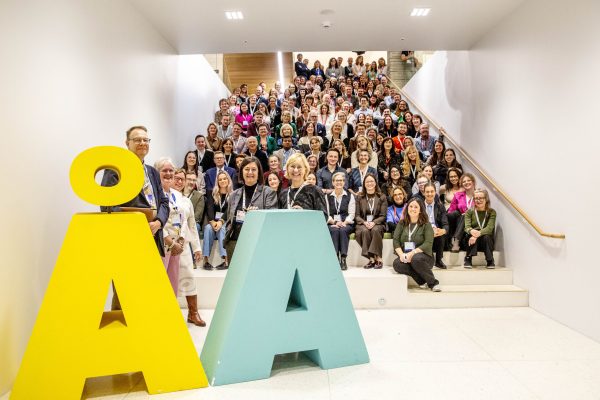
Around 140 participants gathered from across Europe to discuss how transnational cooperation within Alliances can provide a platform for co-creation and contribute to a more resilient future for Europe and beyond. The conference was opened by Professor Gunilla Widén, Rector of Åbo Akademi University. She highlighted that, in the midst of challenging times, Alliances can achieve more together by strengthening democratic values and resilience through collaborative education and research initiatives.
Universities as democratic actors
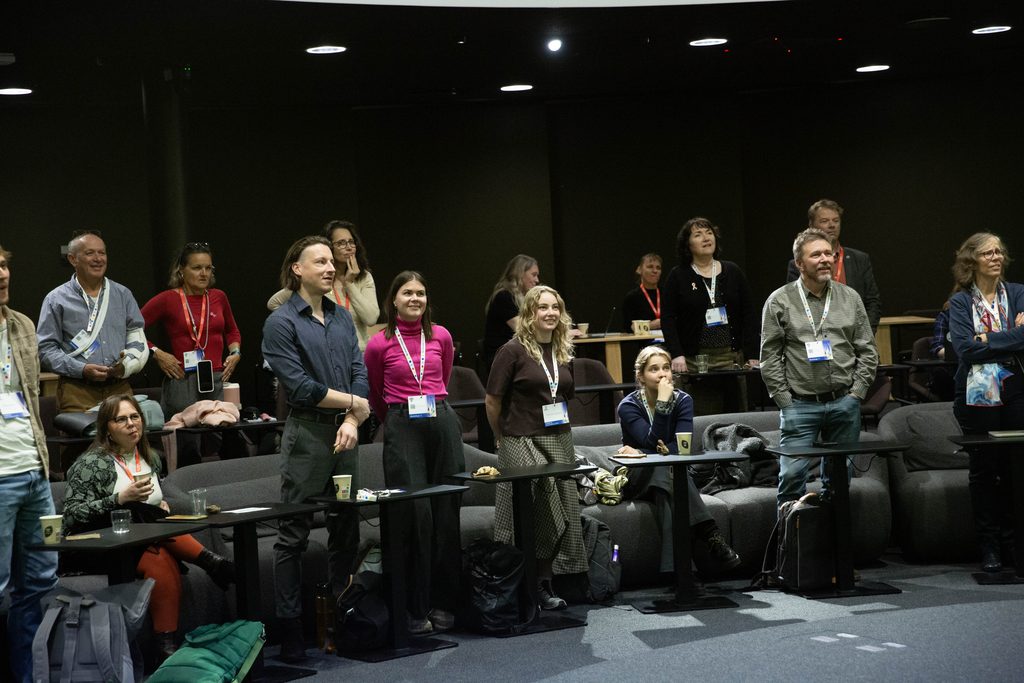
The keynote lecture, delivered by ÅAU Professor Kimmo Grönlund, underscored the need for universities to conceive of themselves not simply as institutions within a democratic political system, but as actors that help sustain democracy. Universities can do this through autonomous communities of educators that not only transmit knowledge but also cultivate democratic values and active citizens capable of critical inquiry. At a time when expertise is losing legitimacy and there is a heightened focus on measurable impact and accountability, universities should continue to provide reliable evidence, challenge assumptions, and contribute to public policy and debate, while balancing efficiency and participation in their internal functioning.
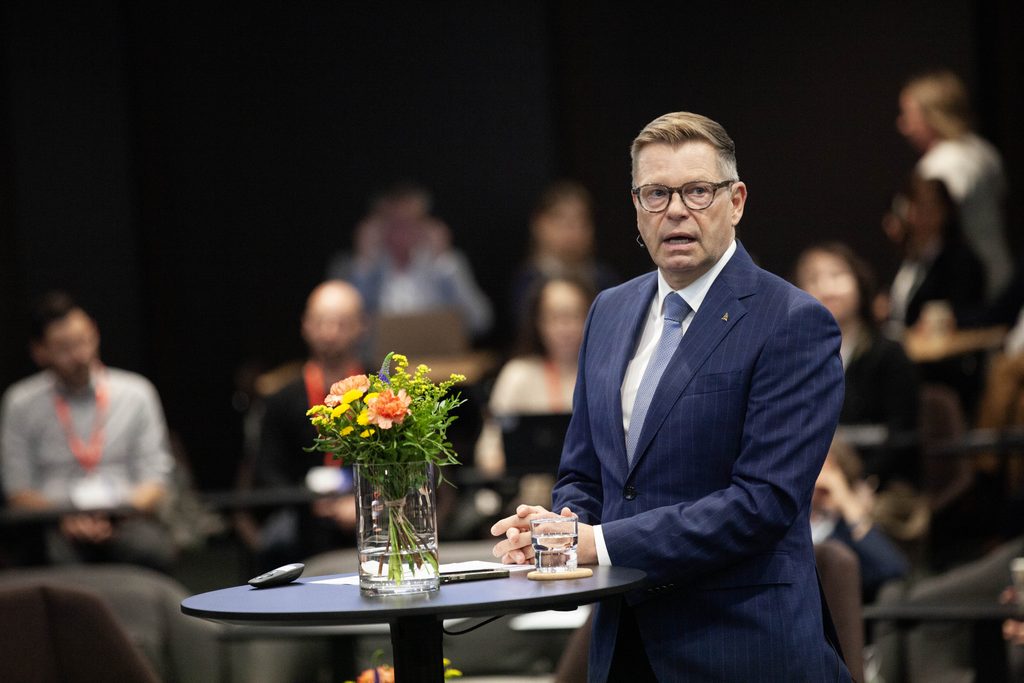
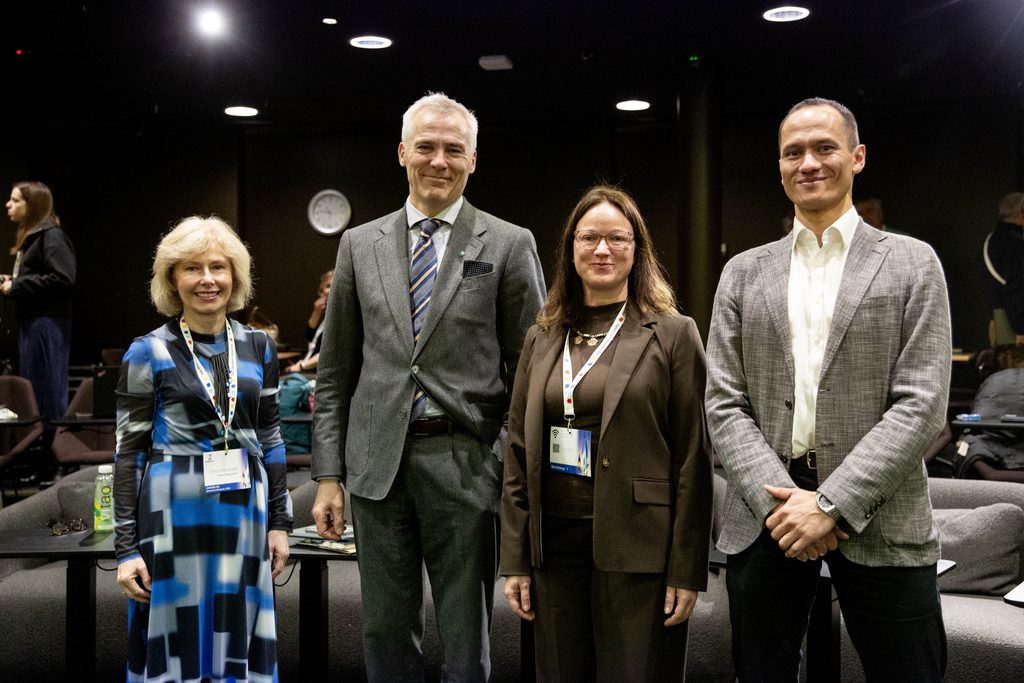
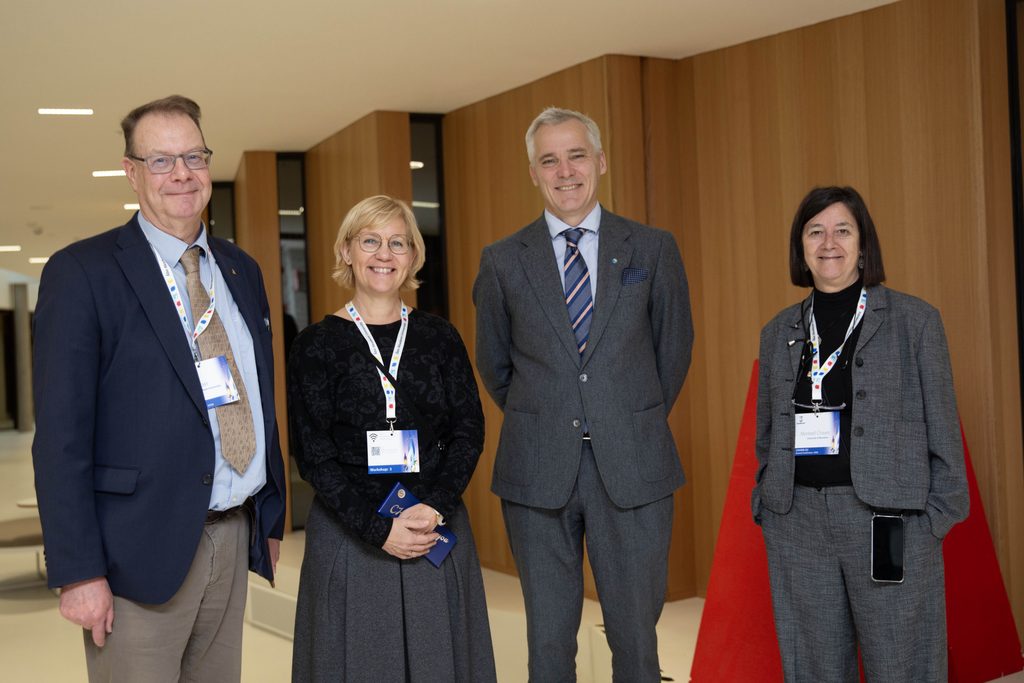
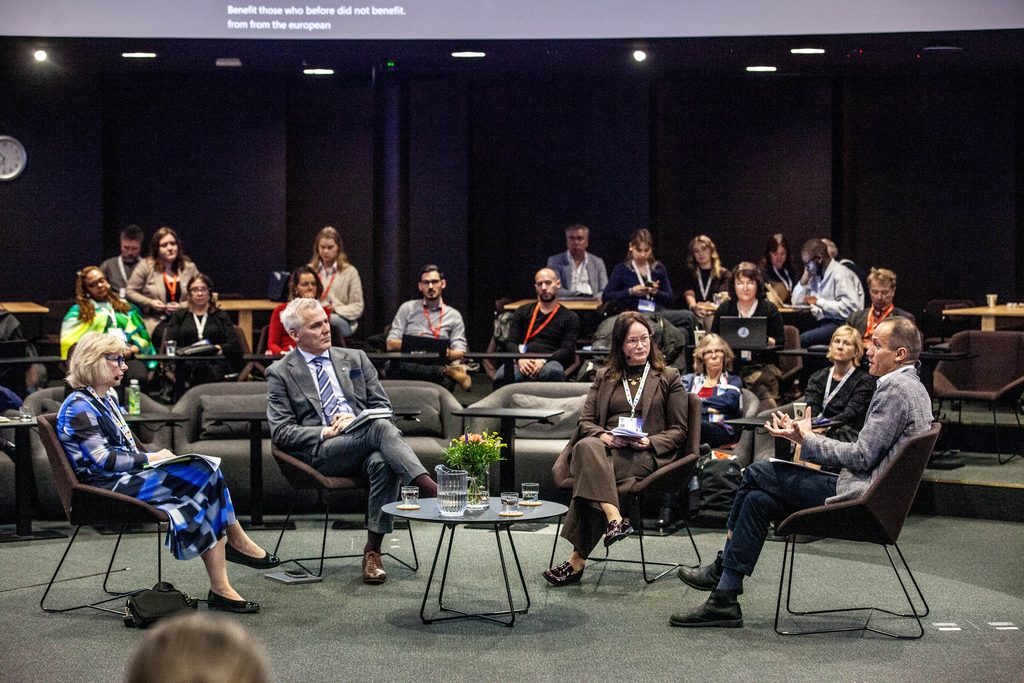
Building on the themes raised by Professor Grönlund, a panel featuring Finland’s Minister of Education Anders Adlercreutz, Maria Kelo (EUA), and Karl Stoeckel (CIVIS) discussed the role of European University Alliances in supporting democracy. The panellists reflected on how Alliances can move beyond mobility and institutional cooperation to strengthen democratic resilience, civic engagement, and shared European values in an increasingly fragmented political landscape.
The discussion highlighted that democratic resilience depends on trust, belonging, and agency. For people to feel that they can participate, they need to feel that they can influence decisions and engage constructively with those whose views differ from their own. While universities cannot address democratic challenges alone, Alliances can play an important part by creating opportunities for people to get to know one another, find common ground, and combat the erosion of trust.
The panellists also agreed that, while it is not yet realistic for all students to take part in physical mobility, all students should have opportunities to experience cultural exchange in some form. Alliances can contribute to this by offering opportunities such as transnational online learning, blended intensive programmes, and other forms of cultural exchange.
From ideas to collaboration
To close the morning sessions, Barbara Hegyi (ELTE) delivered an interactive lecture introducing the REDINEST Impact Labs, a student-powered, challenge-based network established to support the development of transformative competencies and an inclusive mindset. Participants shared ideas on how to promote sustainability skills in entrepreneurship education and explored methods and activities that can support cross-subject, cross-faculty, and cross-institutional learning.
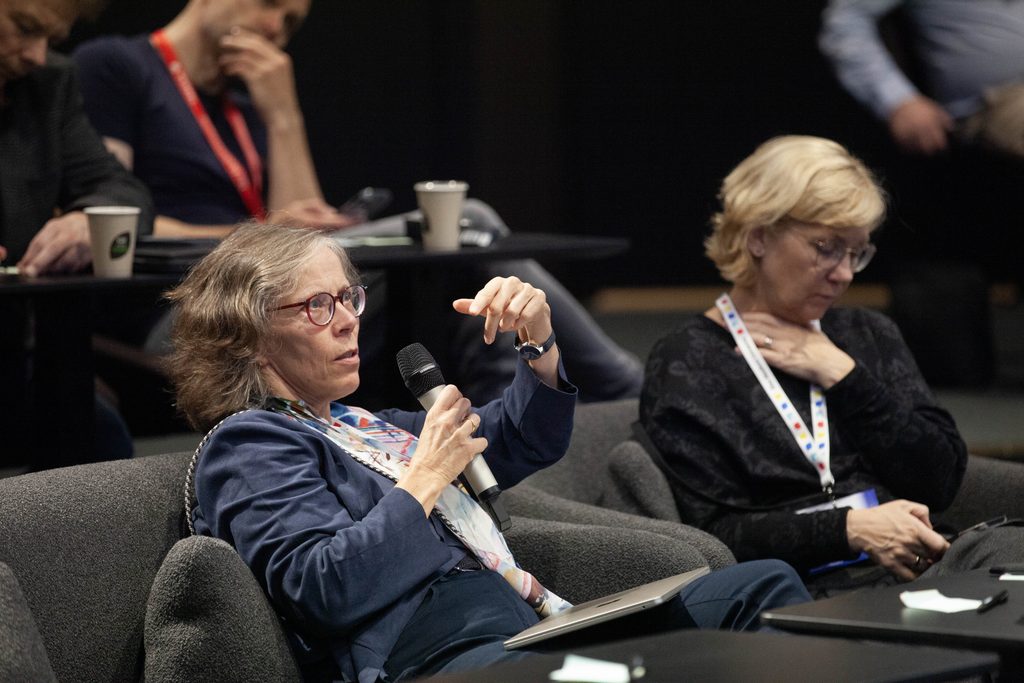
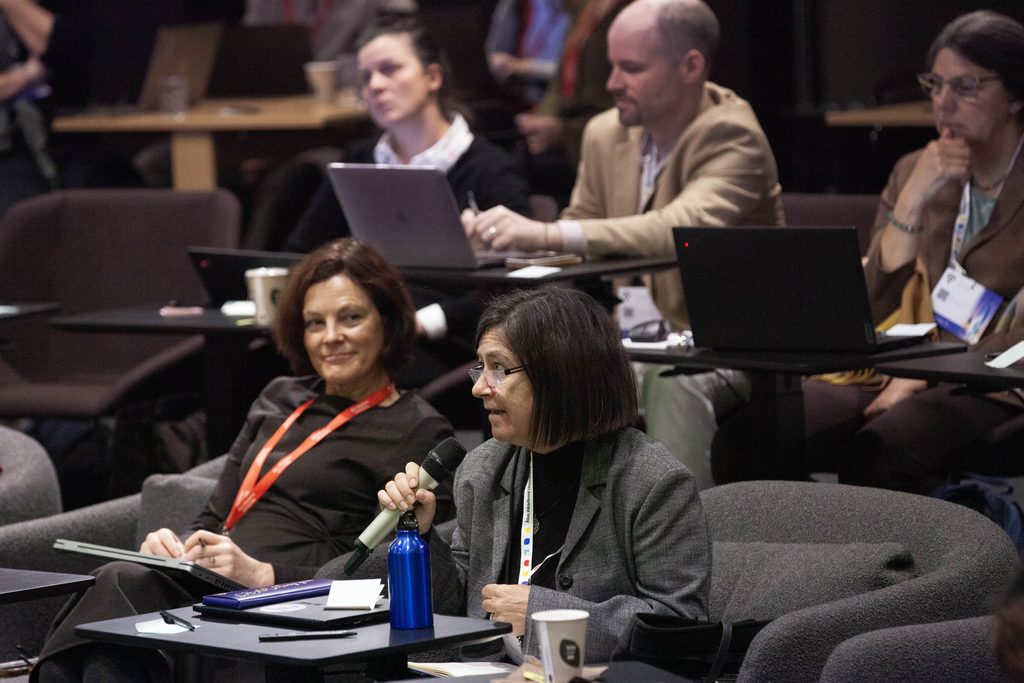
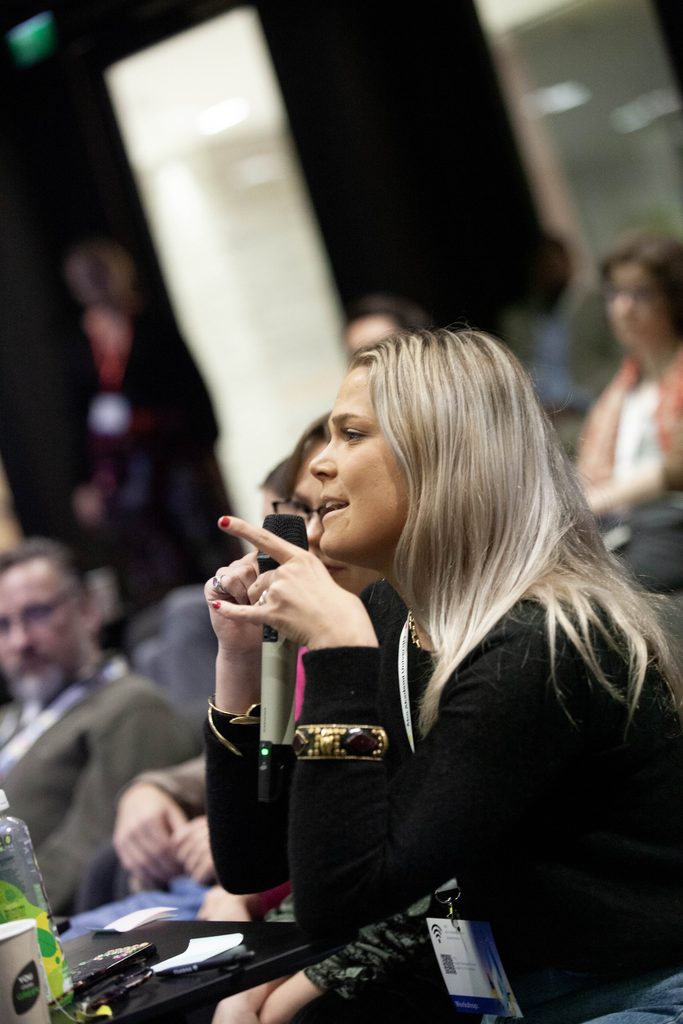
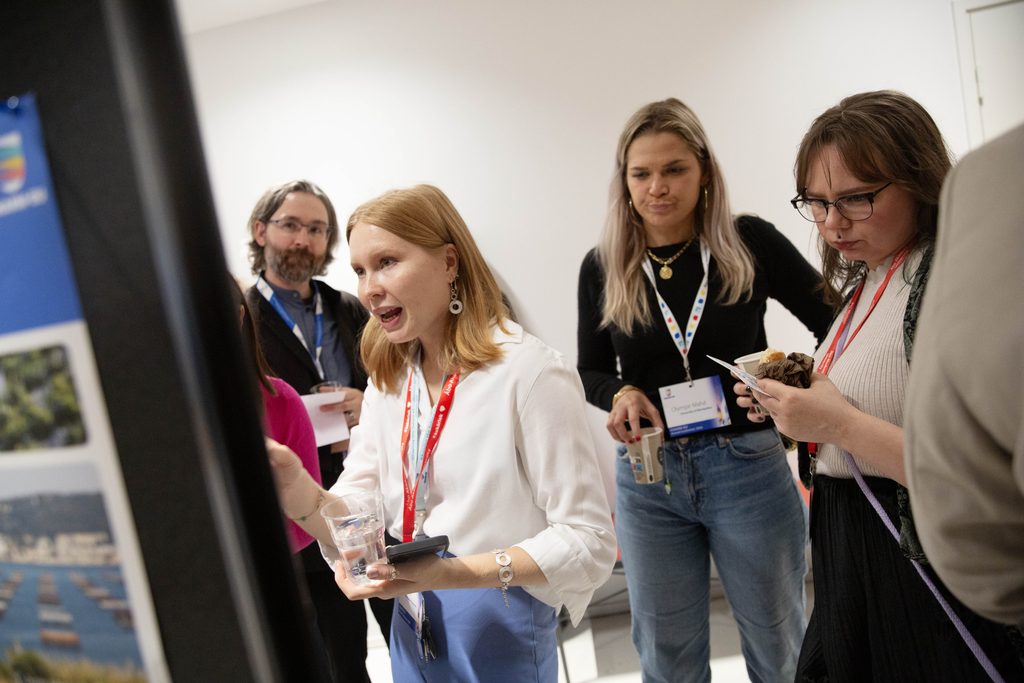
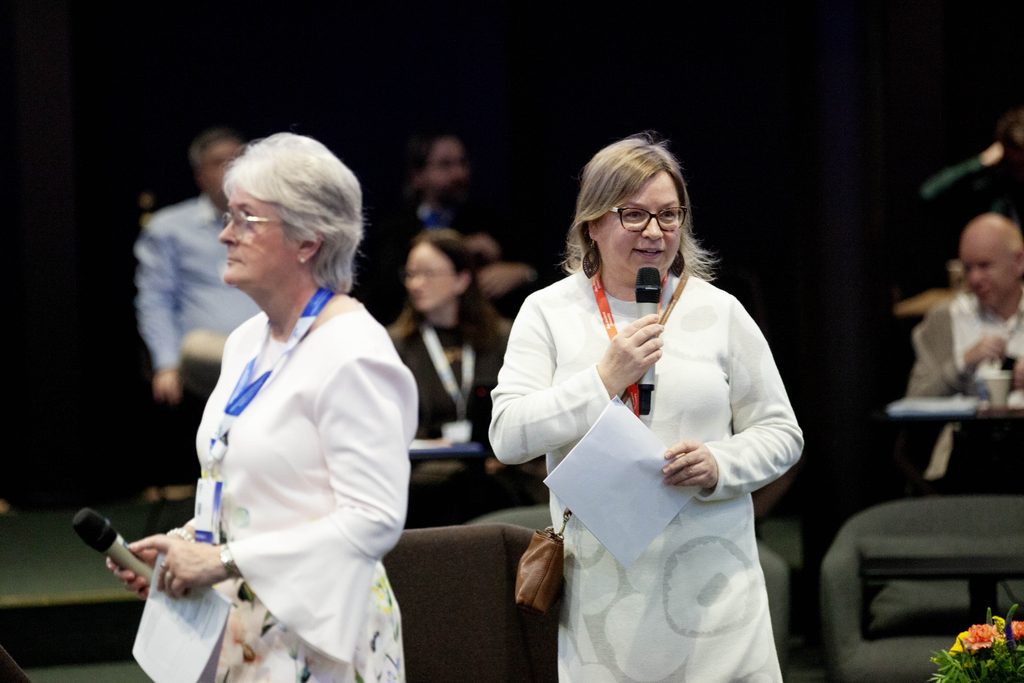
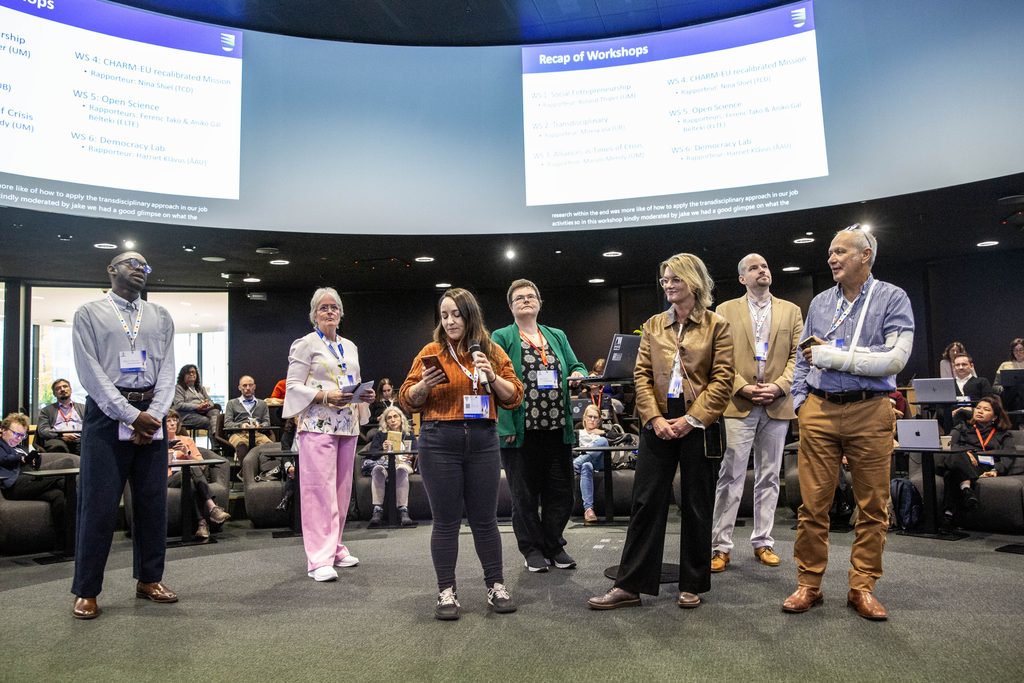
During the afternoon, the conference provided further opportunities for collaboration through interactive sessions where participants could work together, reflect, and discuss democratic values and societal resilience in relation to the role of Alliances. Workshops addressed topics including innovation and social impact, transdisciplinarity, the added value of Alliances compared with individual institutions, democracy education, and open science.
A shared commitment to democratic resilience
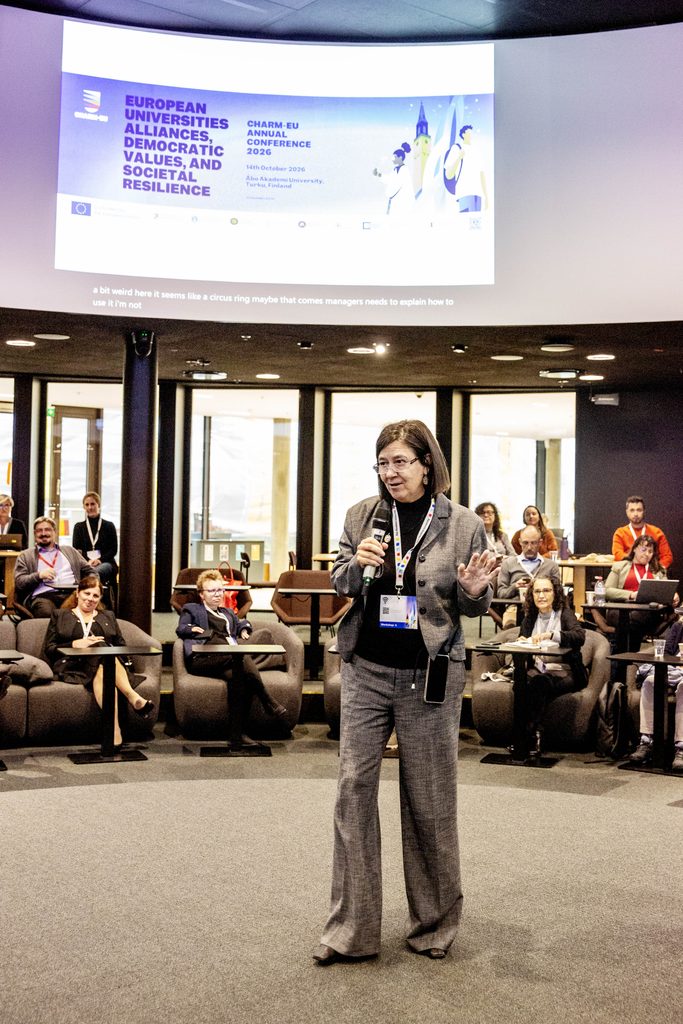
The conference closed with reflections from CHARM-EU Secretary General Meritxell Chaves, who emphasised the relevance of the conference theme to society and highlighted the important role of Alliances in promoting democratic resilience through cross-border collaboration.
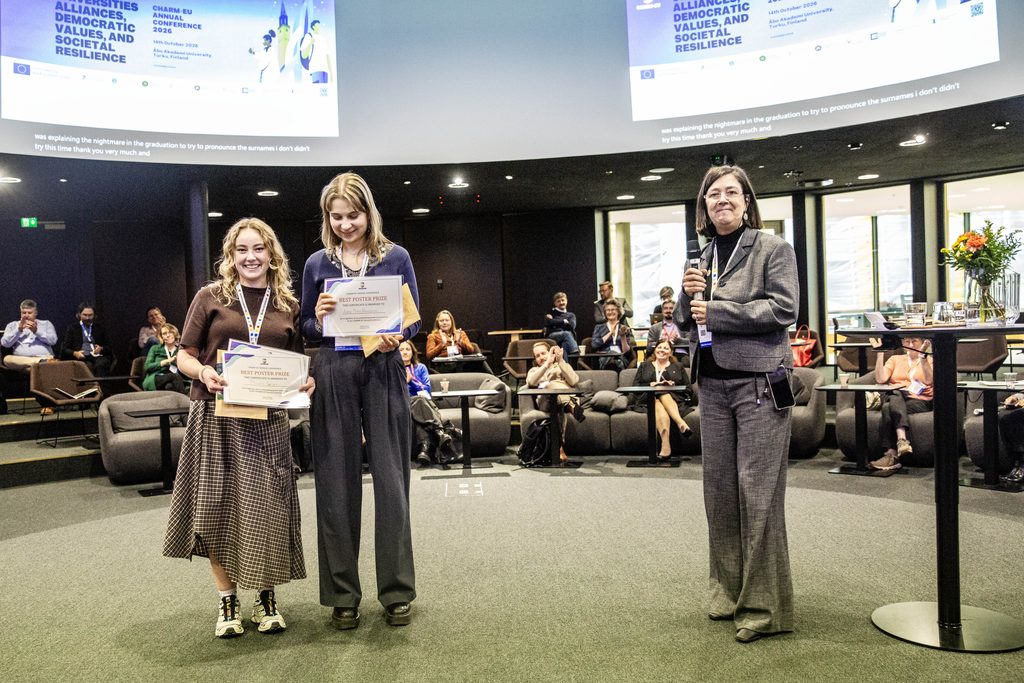
This aligns with CHARM-EU’s recalibrated mission and vision, which positions the Alliance as a defender of “European values around a sustainable democratic world through collaborative cross-boundary educational offerings grounded in science, research, and academic freedom.”