As part of CHARM-EU’s mission to promote and mainstream comprehensive Open Science practices, the Alliance established the Open Science Recognition Award in 2023 to recognize the contributions of individuals engaged in research or teaching in our partner universities who have demonstrated a strong commitment to Open Science. The call was published for the third time in 2026, with an individual and a team category.
The international jury chose Librarian François Gibier from the Mechanical and Civil Engineering Laboratory (LMGC) at the University of Montpellier (UM) as the winner of this year’s Award in the individual category. His role involves promoting open science amongst members of the university community, mainly researchers and PhD students. This involves delivering various training courses on research data management and scientific publishing. He is also a member of the technical committee of the Journal of Theoretical, Computational and Applied Mechanics (JTCAM), a diamond-level open-access journal in the field of mechanics, and of CasuHAL, the user association for HAL, the French national open archive. He is engaged in a variety of activities, but with a single objective: to implement open science in research and make it standard practice.
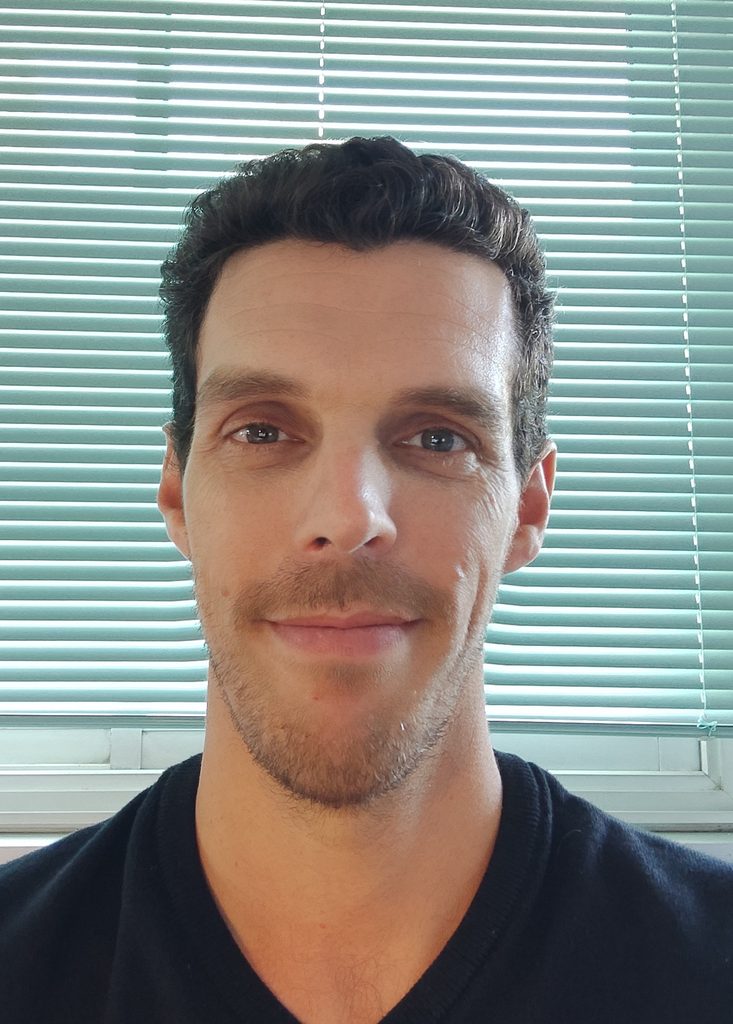
“Open Science is important to me because it is a complex and fascinating movement, with issues and values that align with my understanding of public service. It offers an effective response to certain challenges facing research: a lack of transparency, the reproducibility crisis, the publication inflation, and the limitations of research evaluation. With patience and perseverance, we can bring about change and propose effective solutions through Open Science.” – François Gibier
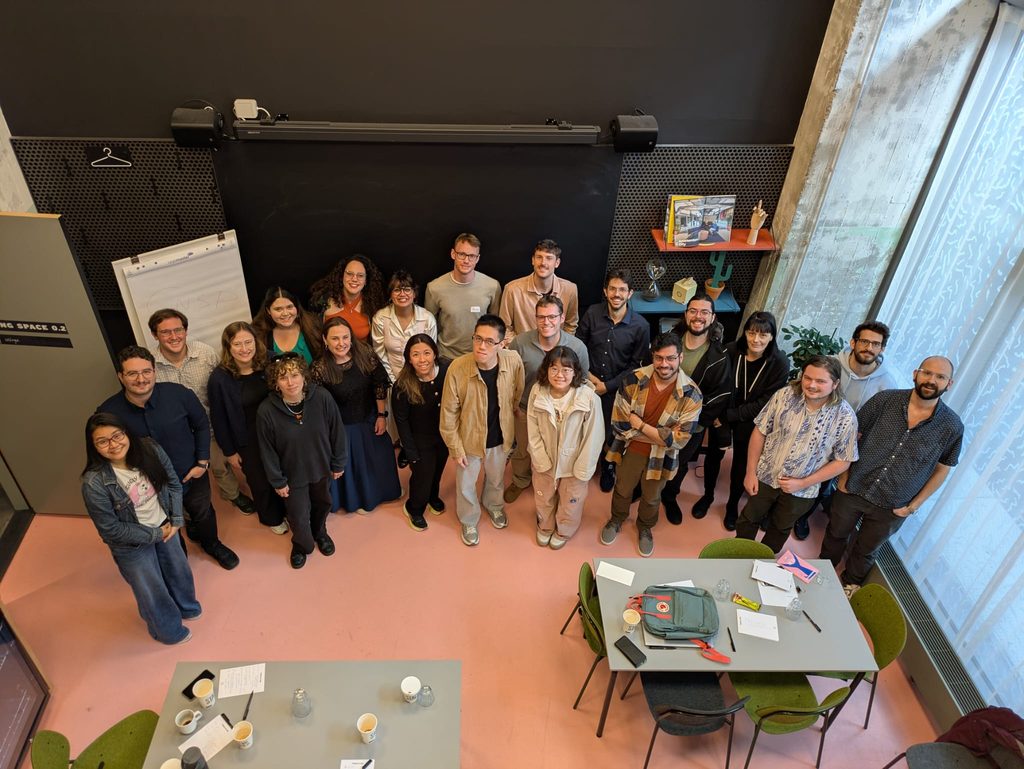
In the team category, the jury chose the Cognition and Natural Sensory Processing (CNSP) open‑science initiative of Trinity College Dublin, led by Dr. Giovanni Di Liberto (Di Liberto-Lab, School of Computer Science and Statistics, Trinity College Institute of Neuroscience). CNSP has built a reproducible neurophysiology pipeline, with FAIR data releases and community training. Co-ordinated by the Di Liberto-lab with an international network of neurophysiology experts, CNSP provides guidelines for sharing standardised open datasets, aggregates those data and shares analysis code, especially for studying how our brains process continuous sensory streams, like speech and music. It runs online workshops and hackathons, fosters a growing research community and provides publicly available training materials, while hosting open discussions on best practices, new methodologies for measuring brain signals, and scientific questions.
“When I began my academic path, open science was rare in my field. Experiments were tightly controlled and produced data that could be analysed in only one narrowly defined way, so sharing would mainly have supported transparency and result validation. While that is important, it was not sufficient to bring a breakthrough in open science. Recent advances, however, have transformed many datasets into rich, multi‑purpose resources: a single speech‑listening experiment can now be re‑analysed to address phonology, lexical processing, prosody, neural encoding, and questions the original authors never anticipated. Data sharing therefore multiplies scientific value. It accelerates discovery, strengthens findings through transparent and reproducible workflows, and lowers barriers to collaboration when labs adopt shared, versioned pipelines.” – Dr. Giovanni Di Liberto
Furthermore, members of the jury – Open Science experts coming from the different partner universities of CHARM-EU – recognized the proposal of Norbert Bencsik (assistant professor at ELTE’s Department of Physiology and Neurobiology, Faculty of Science) for his research, education, and public engagement efforts for making scientific knowledge not only openly accessible, but also reusable, and beneficial to the wider community. They also recognized the proposal of Alex Ascunce París (PhD student at the Electronic and Atomic Protein Modeling group, Barcelona Supercomputing Center and University of Barcelona) for his commitment to sharing open datasets and open-source tools supporting joint knowledge generation and the democratisation of structural immunology.
As for the award of the present call, the individual awardee will have the opportunity to visit one of the partner universities of CHARM-EU for a study trip in order to consult with local Open Science experts on strategies and practices for promoting Open Science. The group can choose between one team member visiting a CHARM-EU partner with similar purposes or inviting an expert from a CHARM-EU partner to their institutions. Our warmest congratulations to François Gibier and to the CNSP team for their outstanding achievements!