Capstone projects – Master’s in Global Challenges for Sustainability – 4th Edition 2024 – 2026

Capstone projects – Master’s in Global Challenges for Sustainability – 4th Edition 2024 – 2026

The capstone phase is designed to build on students’ knowledge, skills, and prior learning gained during the previous modules of the Master’s programme. Students will, in collaboration with extra-academic actors, investigate and evaluate a complex societal challenge from a variety of intercultural and transdisciplinary perspectives. They will cooperatively work on the challenge in teams of 4-5 students. Each student will focus on one aspect of the challenge, which will be the topic of an individual analysis and report. All reports will then contribute to solving the challenge. They will contribute to creatively devise, implement and evaluate robust, adaptable, ethical and sustainable solutions for complex societal challenges.

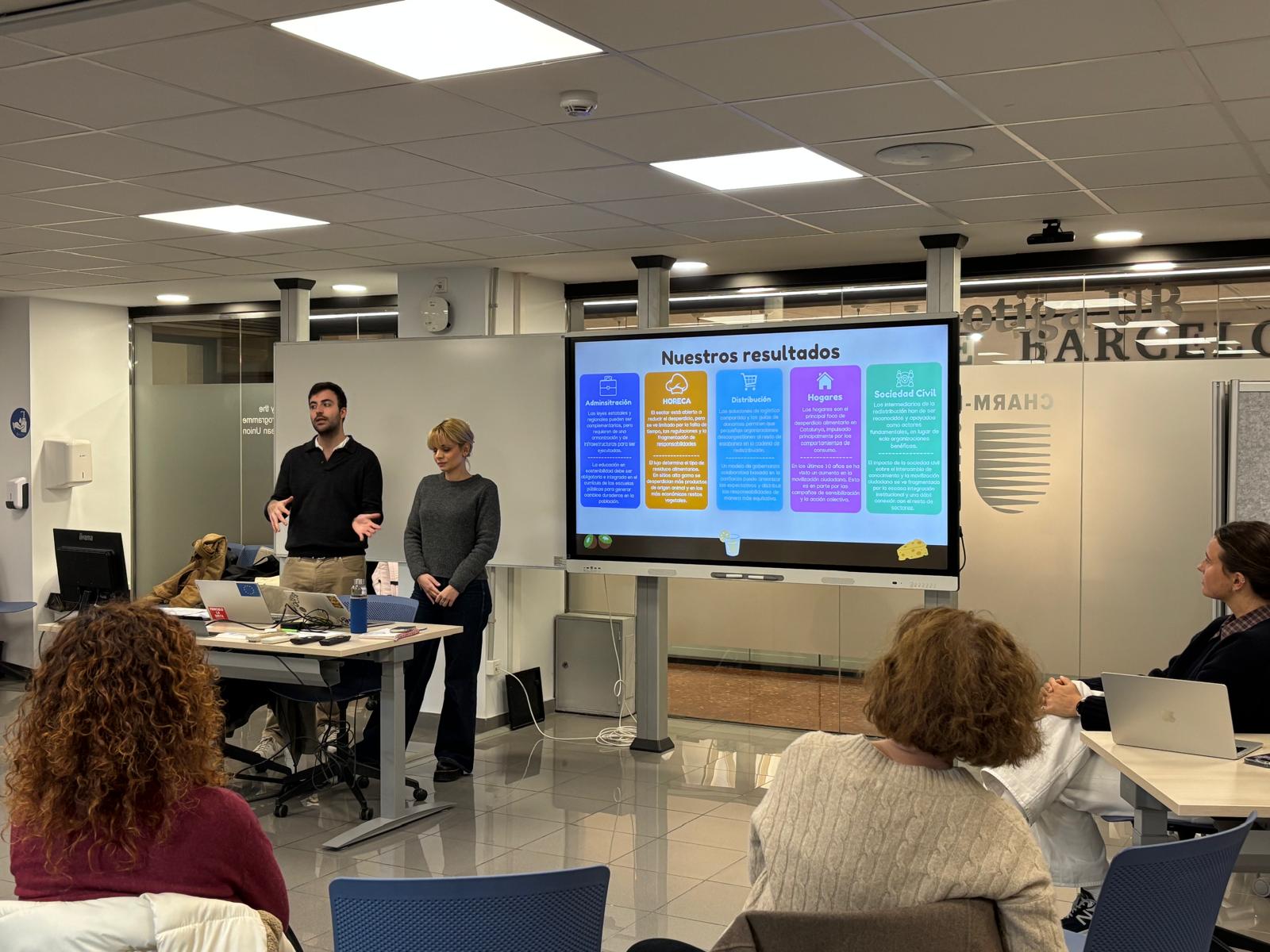
The capstone projects are presented by the students during the Grand Finale (27th and 28th January 2026).

Below the 10 capstone projects of the students from the 3rd edition of the master’s programme:

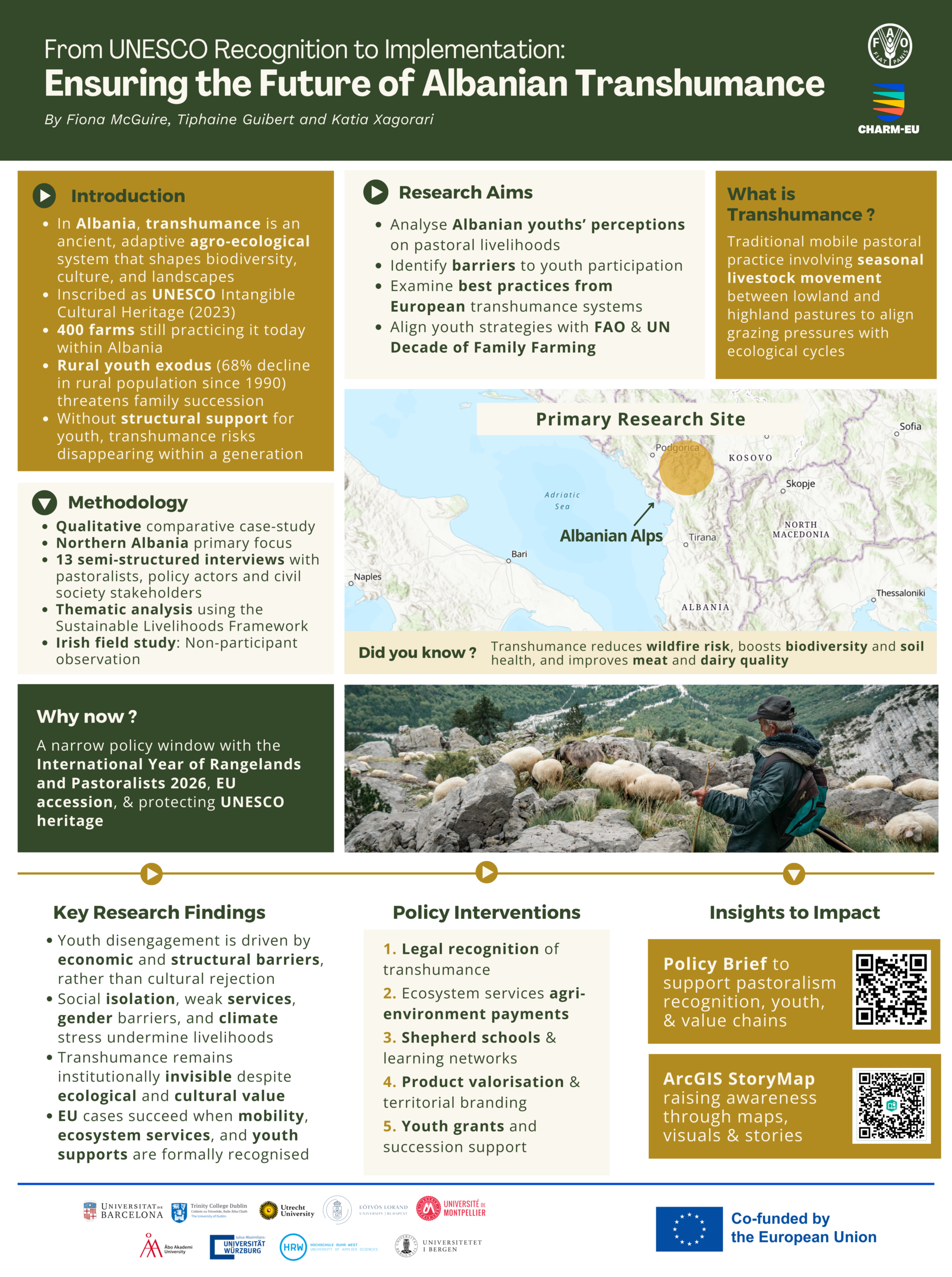
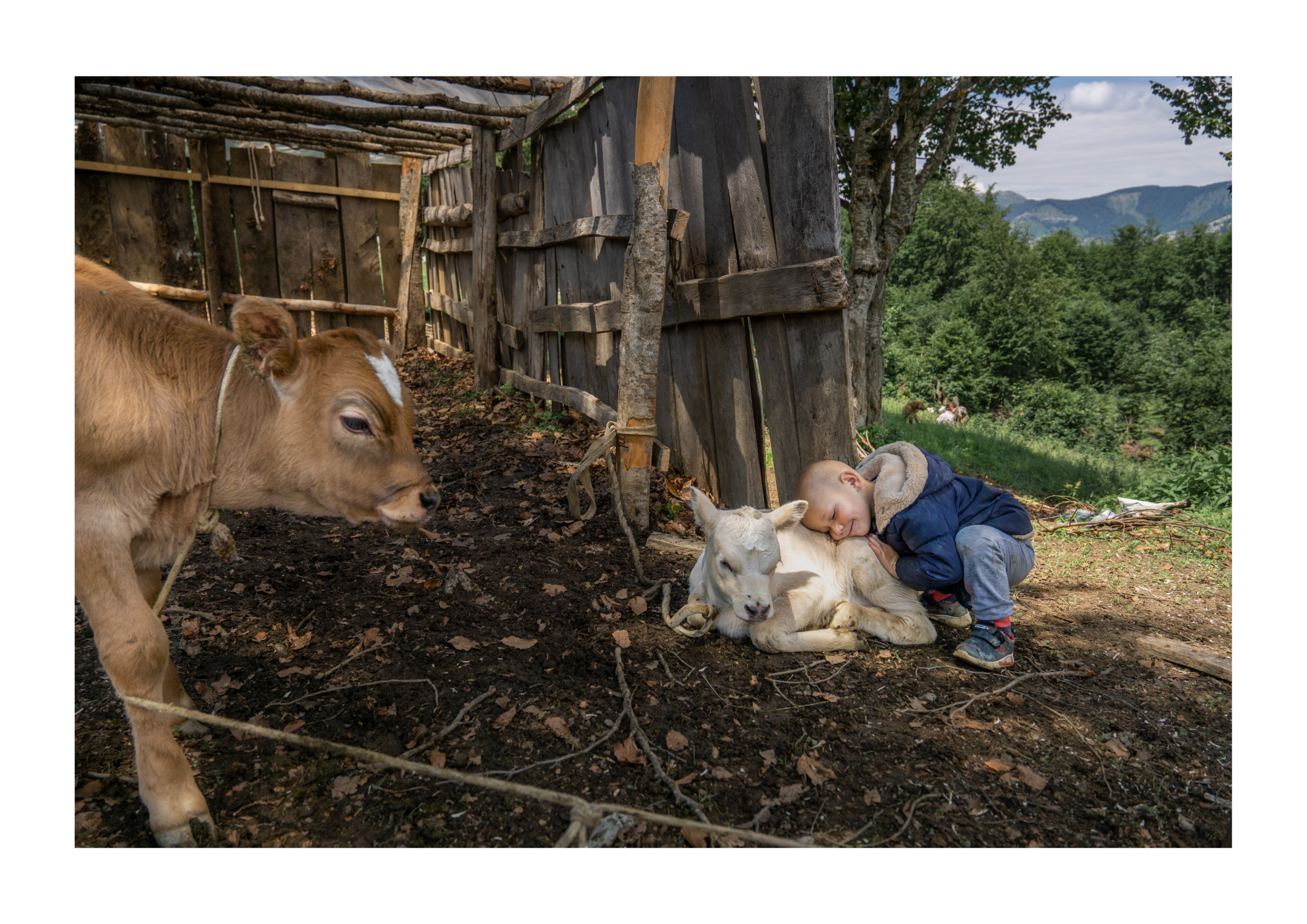
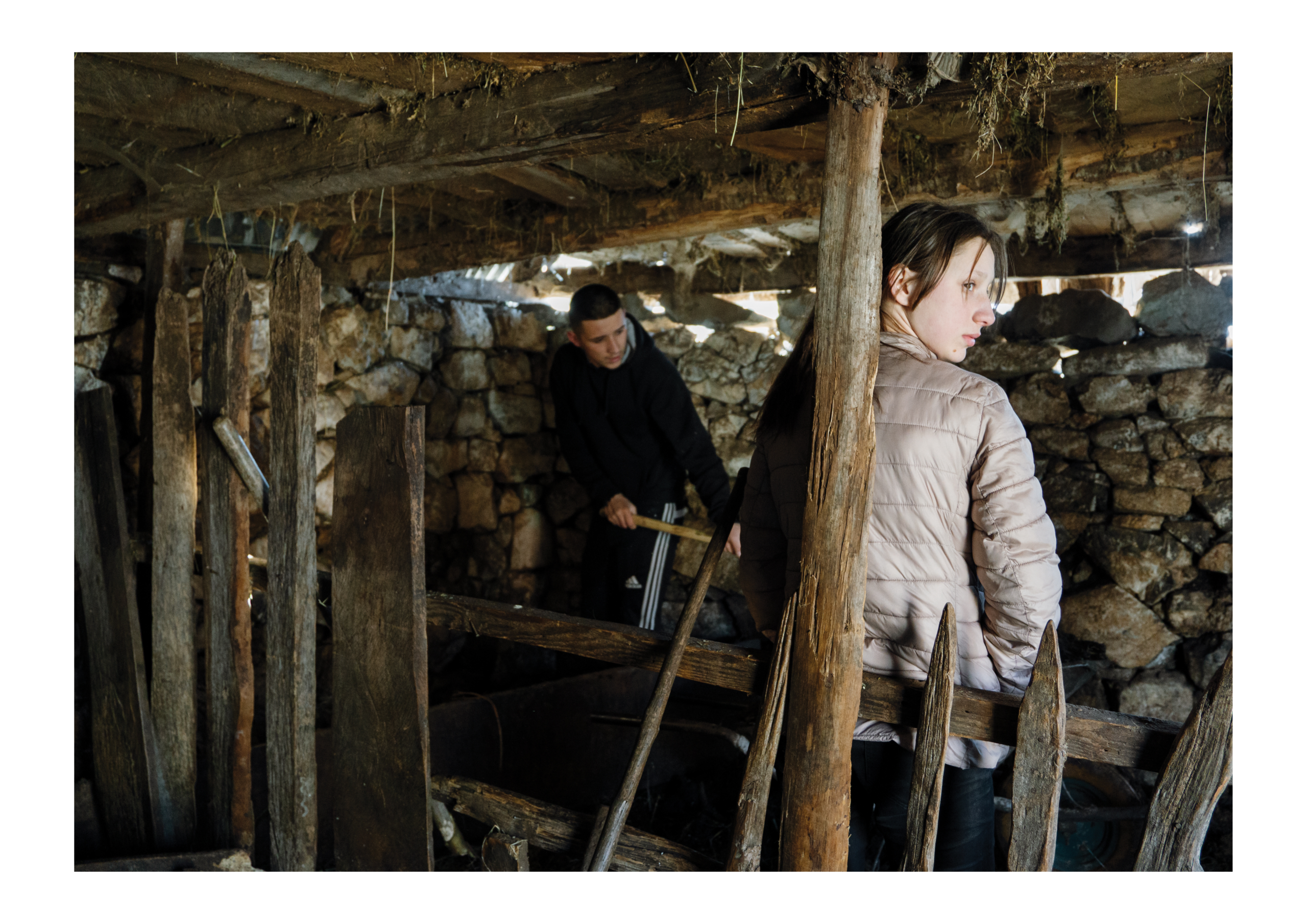
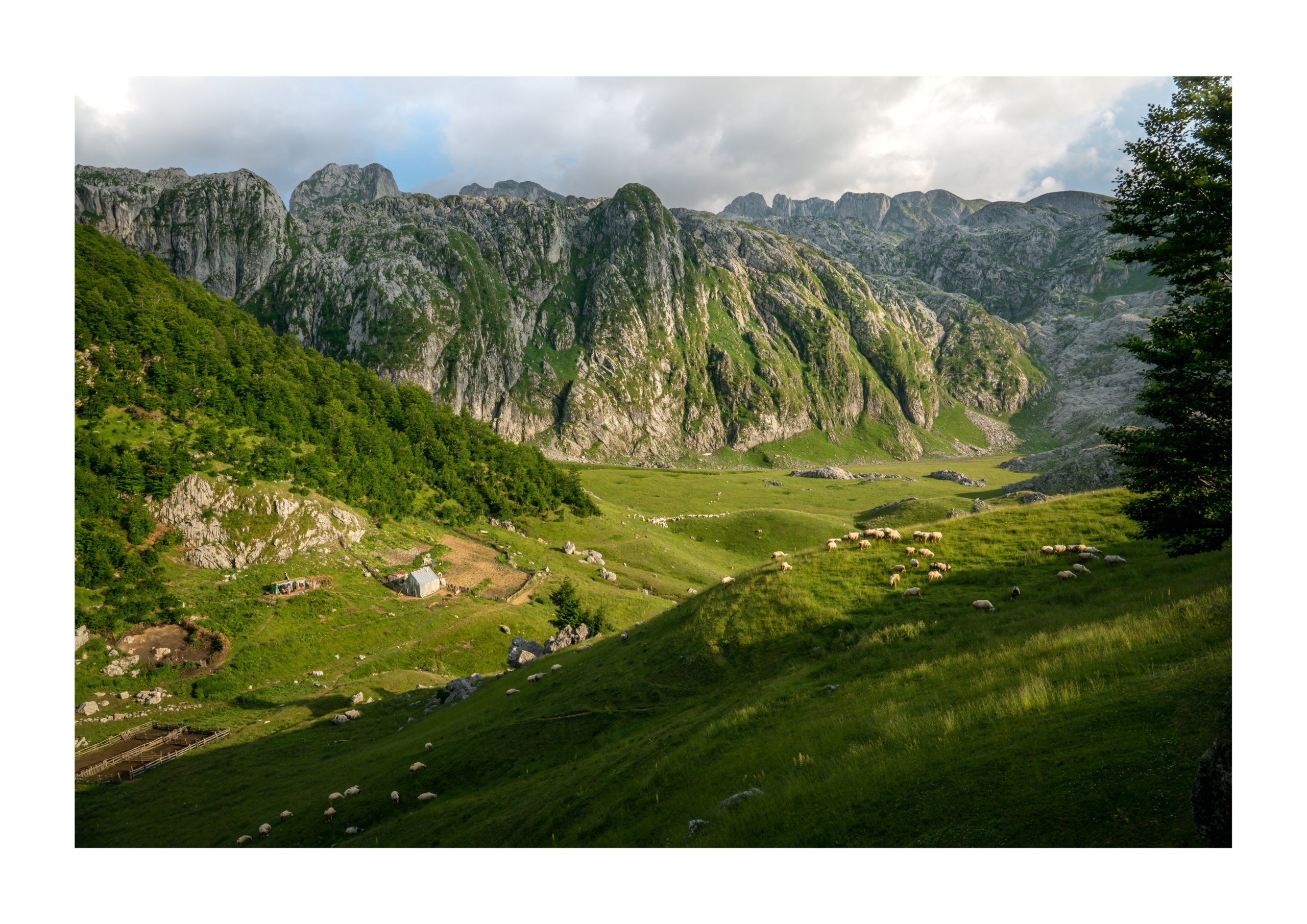
CHALLENGE 1: From UNESCO Recognition to Implementation: Ensuring the Future of Albanian Transhumance
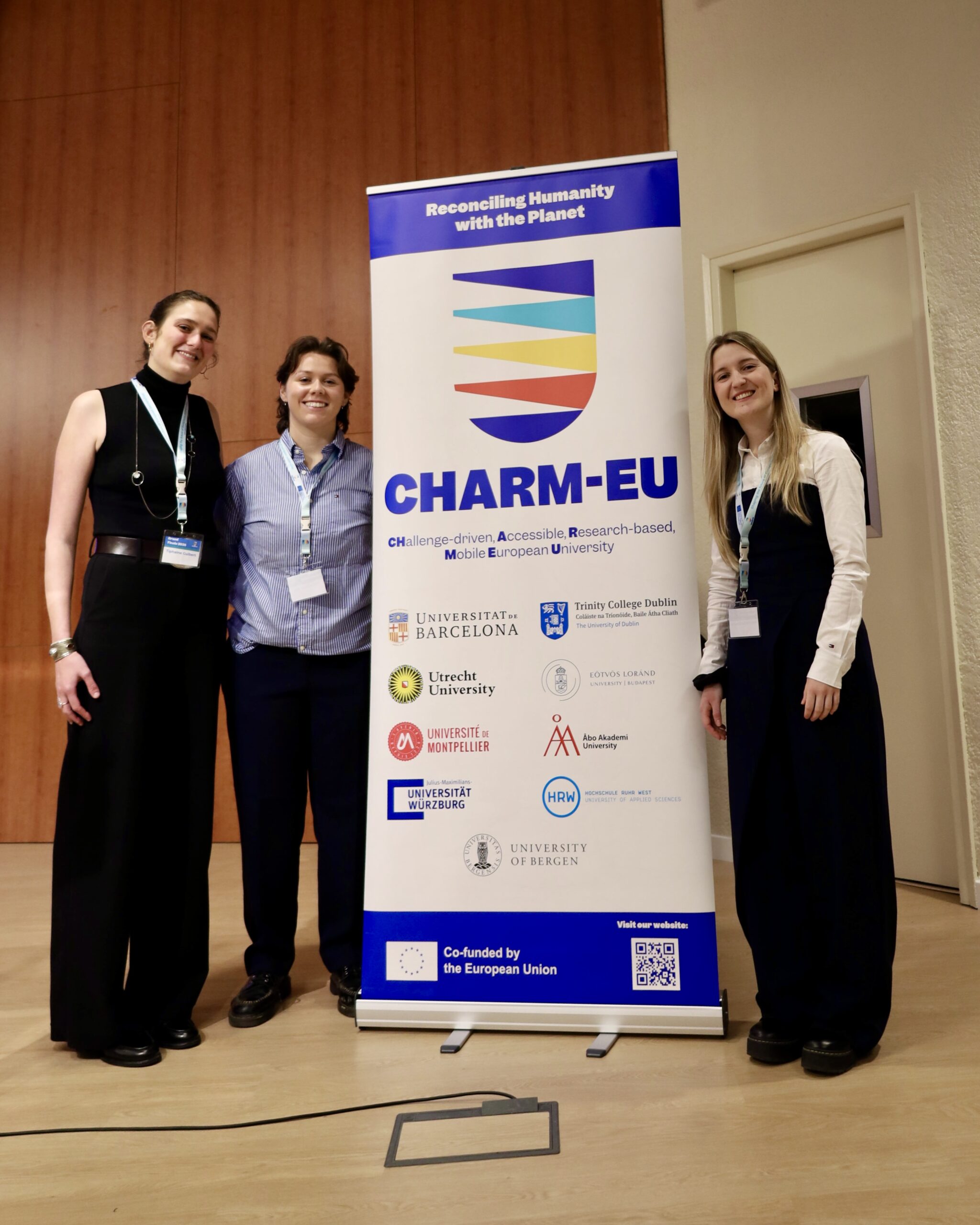
Students: Tiphaine Guibert, Aikaterini Xagorari and Fiona McGuire

Stakeholder: András Kovaloczy, Food and Agriculture Organization of the UN (Regional Office for Europe and Central Asia)

Academic Supervisor: Márta Alexy, Eötvös Loránd University (ELTE)

Second reader: Attila Varga ,Eötvös Loránd University (ELTE)

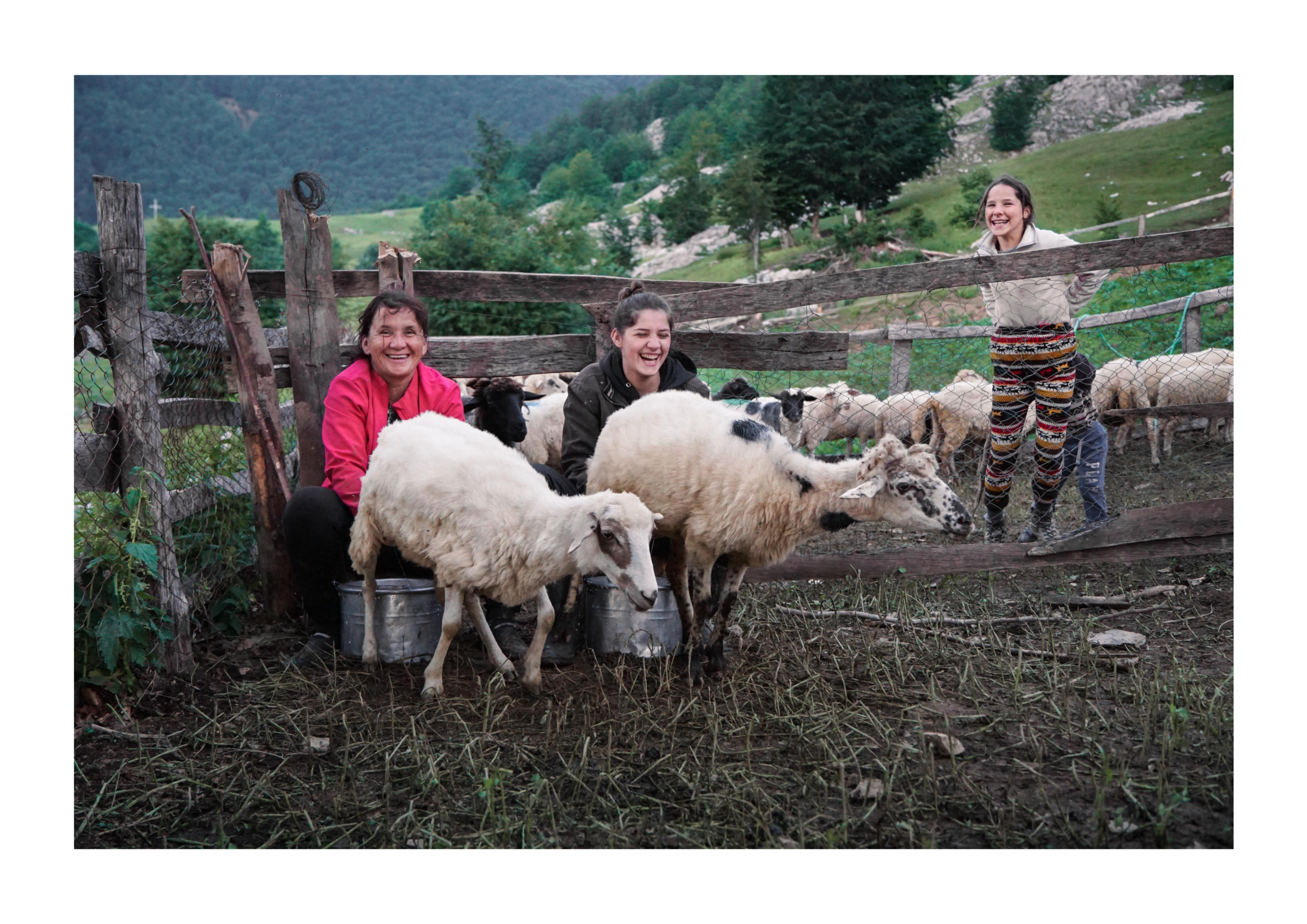
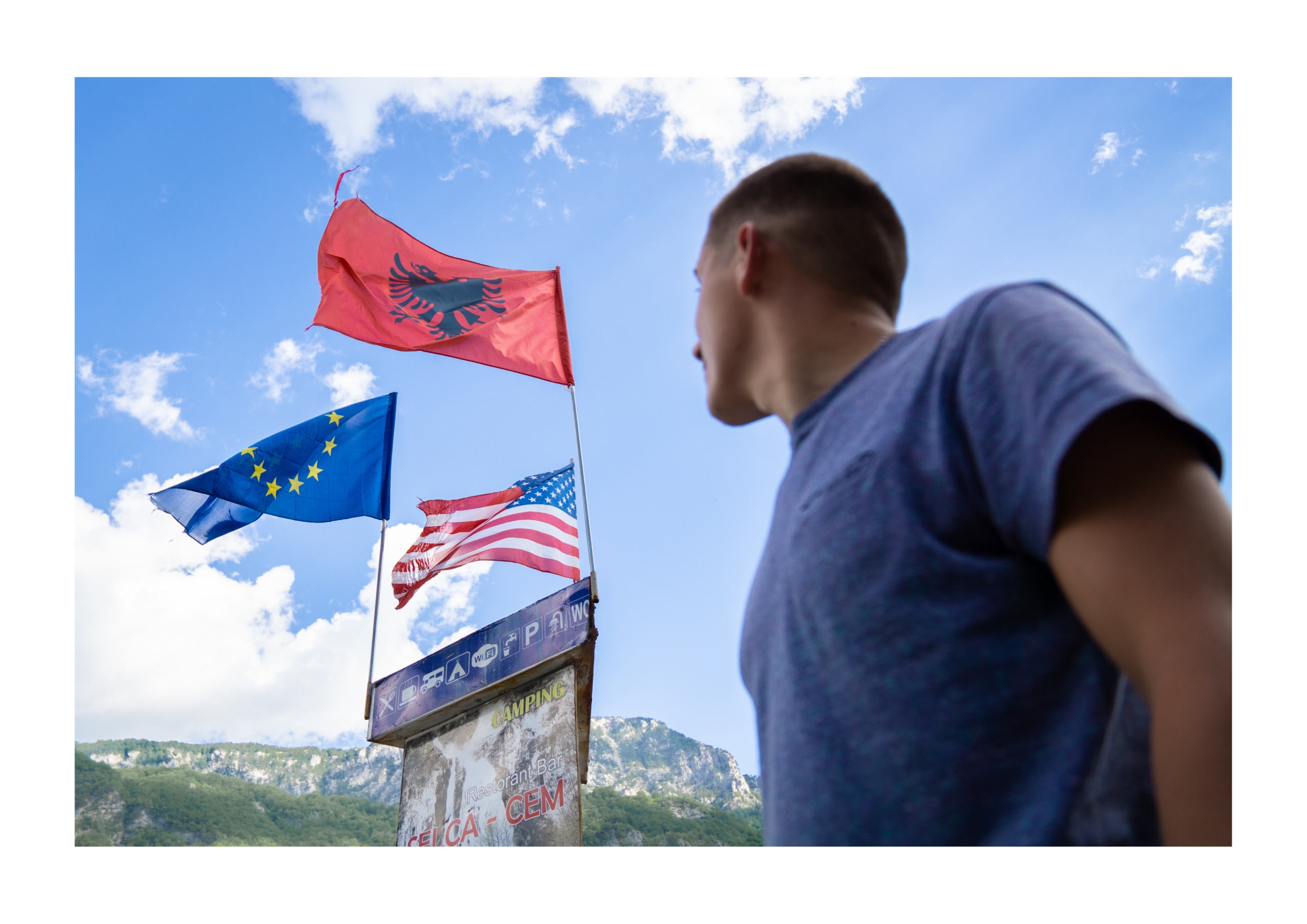
Description: Albanian transhumance, the seasonal movement of livestock between mountain and lowland pastures, faces critical generational decline despite UNESCO heritage recognition and proven environmental benefits. Increasing youth migration from rural areas is undermining pastoral livelihoods, threatening centuries of traditional ecological knowledge and sustainable land management practices. Collaborating with the FAO, this Capstone Challenge identifies why youth disengage from pastoralism despite strong cultural attachment. Interviews with local shepherds and civil society organisations in Albania, and a comparative European case analysis, reveal how economic barriers, policy invisibility, climate pressures, and social isolation make pastoralism unviable for younger generations. Leveraging the 2026 International Year of Rangelands and Pastoralists as a strategic policy window, the project delivers an evidence-based policy brief for Albania’s rural development strategy and an interactive digital storytelling platform. Aligned with the UN Decade of Family Farming and SDGs 1, 2, 8, 13, and 15, the research integrates heritage recognition, rural development, and climate adaptation to secure sustainable pastoral futures.

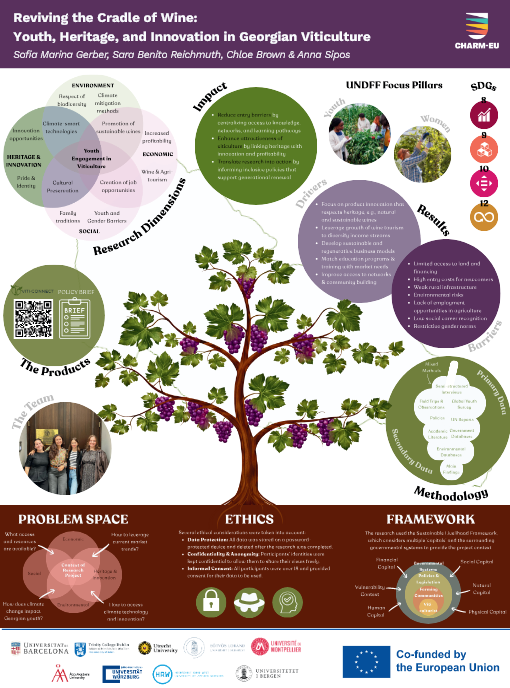
CHALLENGE 2: Reviving the Cradle of Wine: Youth, Heritage, and Innovation in Georgian Viticulture
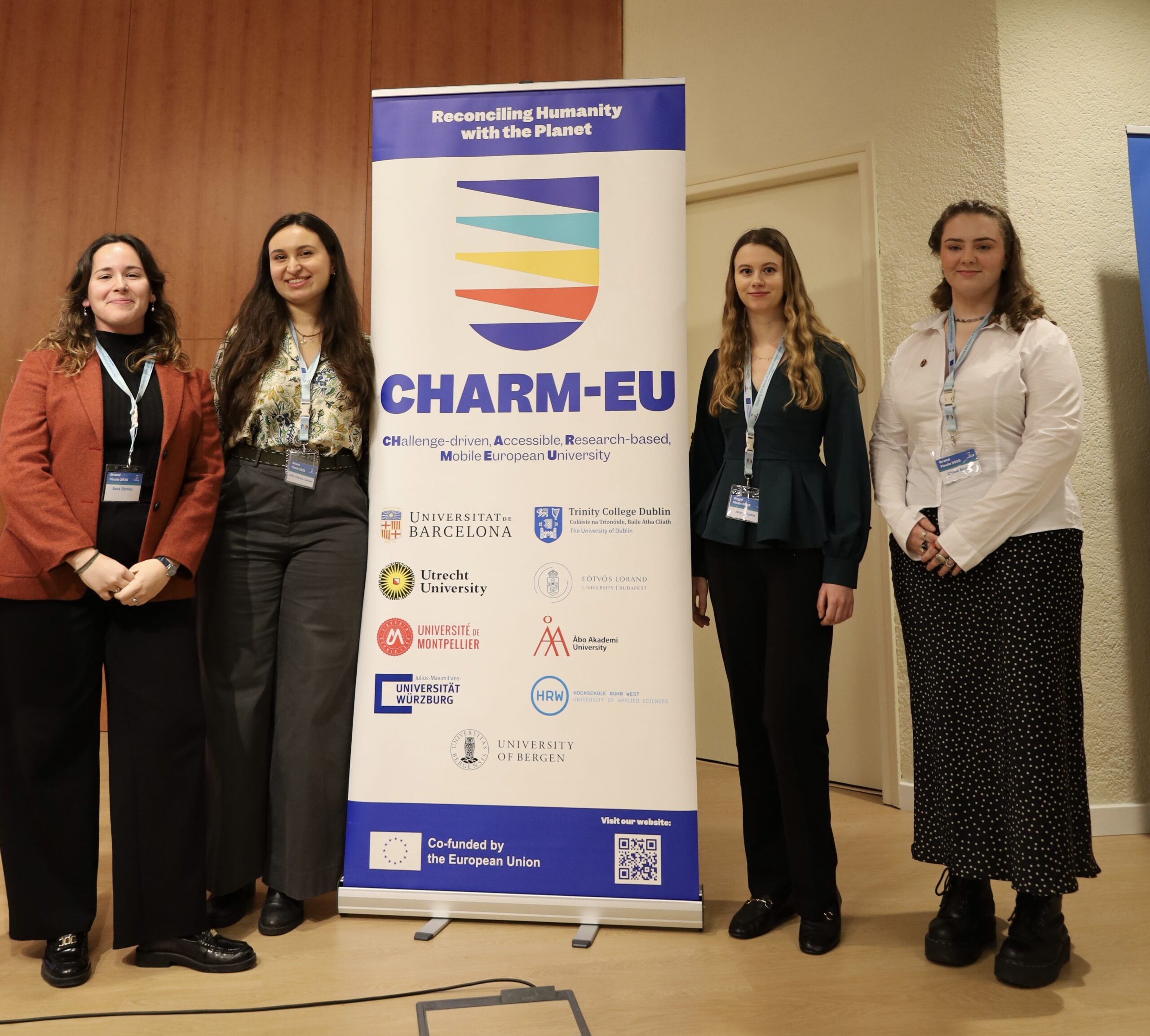
Students: Tiphaine Guibert, Aikaterini Xagorari and Fiona McGuire

Stakeholder: András Kovaloczy, Food and Agriculture Organization of the UN (Regional Office for Europe and Central Asia)

Academic supervisor: Gergő Tóth, Eötvös Loránd University (ELTE)

Second reader: Magnus Hellstrom (AAU)

Description: This project collaborates with the FAO Regional Office in Europe and Central Asia to foster youth engagement in agriculture, with a specific focus on Georgian viticulture. Anchored in the UN Decade of Family Farming (UNDFF) and the UN Sustainable Development Goals 8, 9, 10, 12, 15, it applies a transdisciplinary lens to identify key social, environmental, economic, and innovation-related barriers and opportunities shaping generational renewal. The project delivers two complementary outputs: a policy brief that addresses structural constraints such as financing and institutional support, and a digital platform that connects young people with relevant information, educational modules, and key viticulture actors. Together, these outputs strengthen social networks and make pathways into the sector more visible, accessible, and actionable.

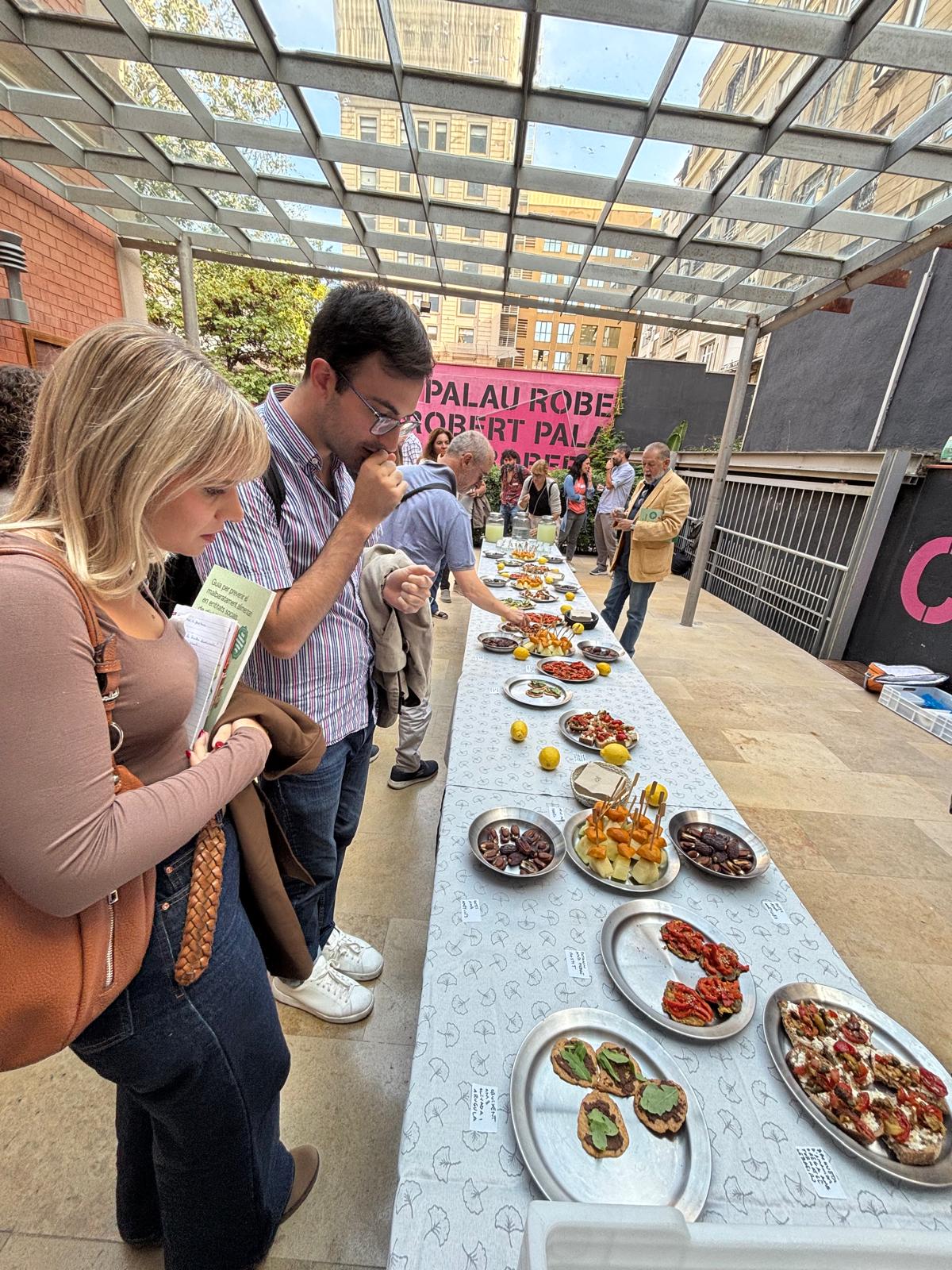
CHALLENGE 3: “Barrio sin despilfarro” Reducing food waste in the Metropolitan Area of Barcelona
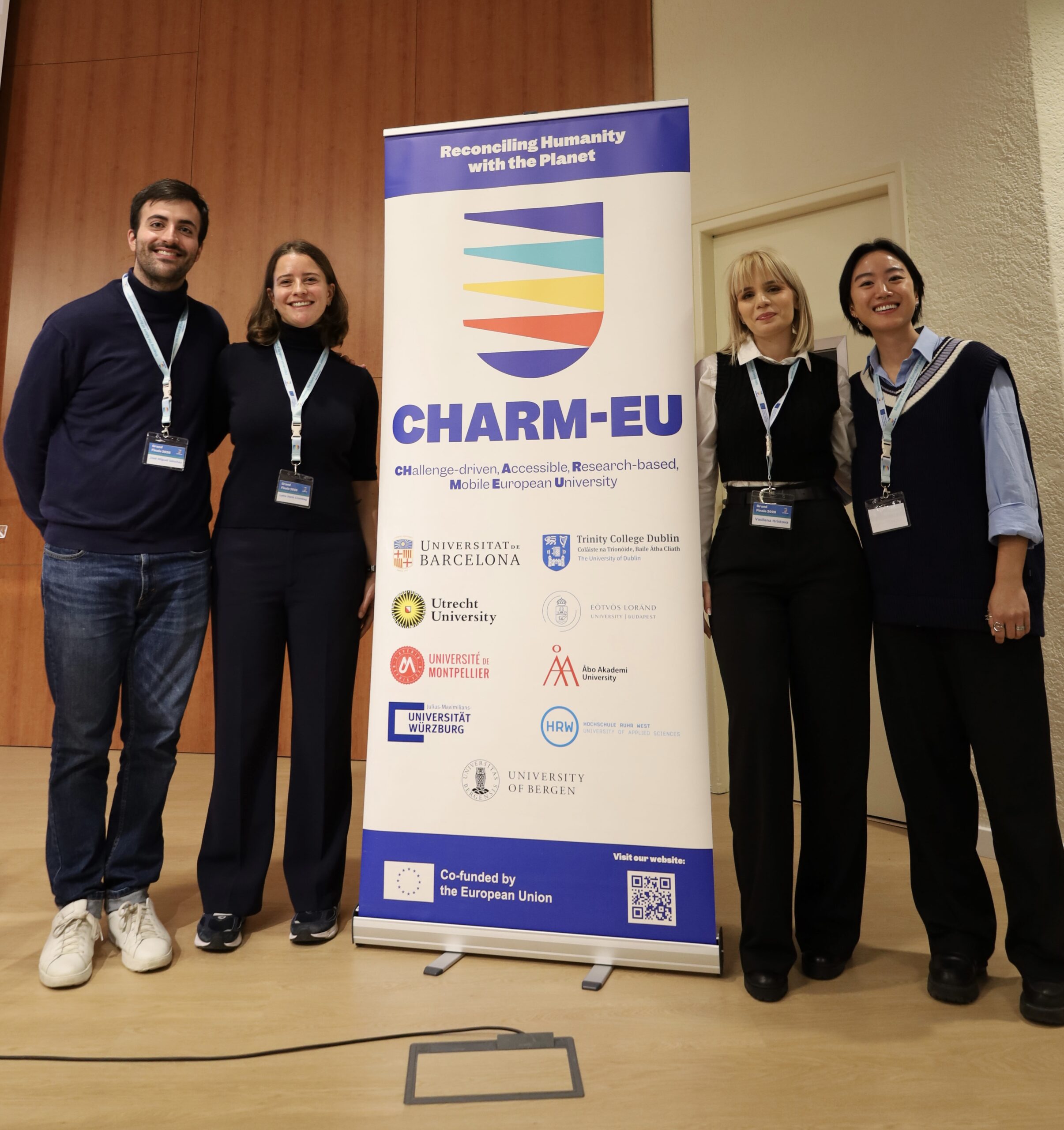
Students: Koko Cheung, Lotte Henk Crombag, Vasilena Hristova and José Miguel Sánchez Zaballa

Stakeholder: Alba Graells, Department d’Agricultura, Ramaderia, Pesca i Alimentació, Generalitat de Catalunya

Academic supervisor: Patrick Wall (TCD)

Second reader: Théophile Munyangeyo (TCD)

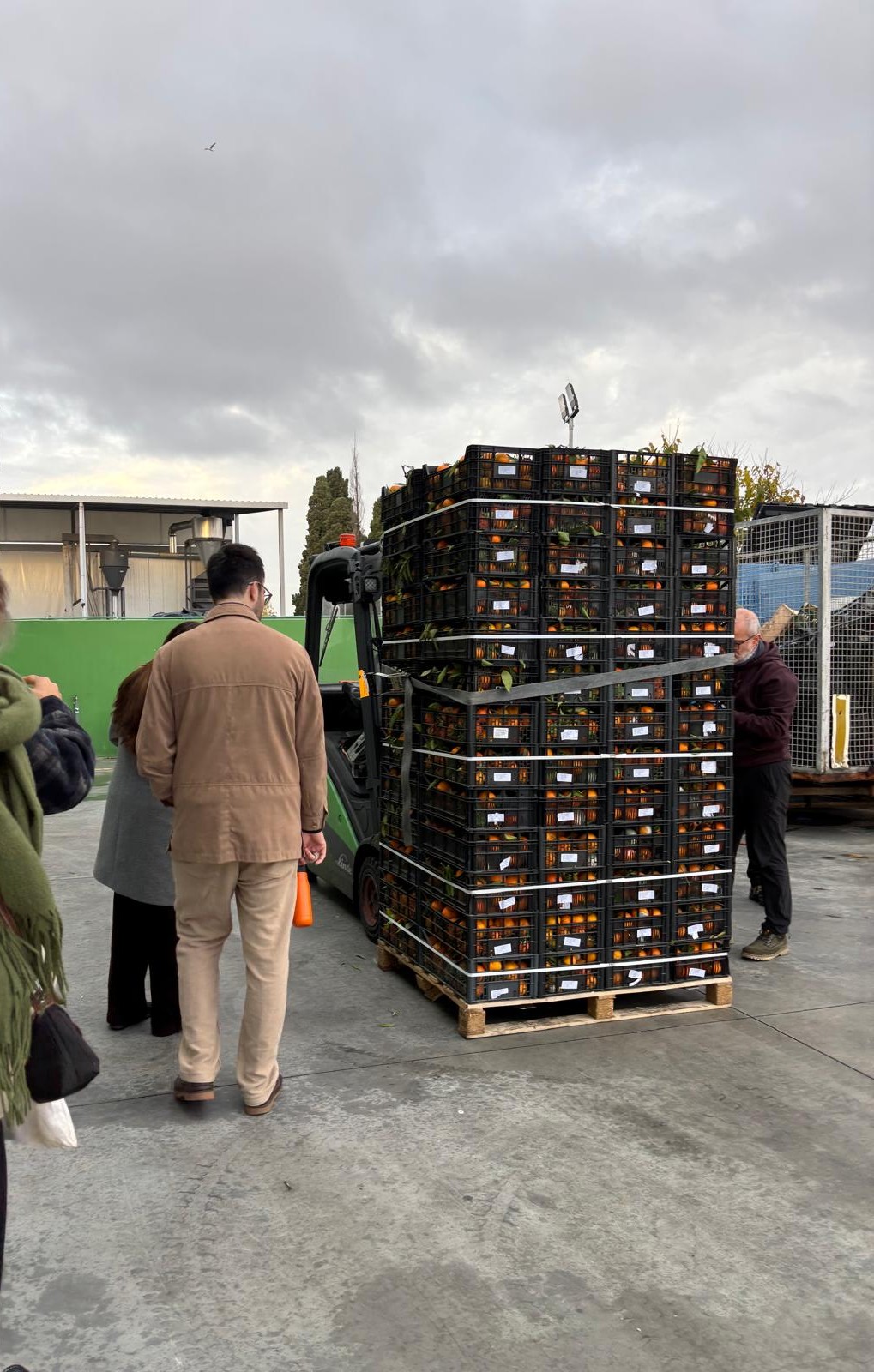
Description: Food Waste poses a risk to the environment, economy, and society, as it accounts for around 16% of the European food system gas emissions, costs €130 billion per year in the EU and puts over 42 European citizens at risk of food insecurity. Thereafter, action is needed to reduce such an issue across all the sectors of the food chain. That is why, in collaboration with the regional Government of Catalonia (Spain), this project has been proposed to immediately reduce food waste through knowledge transfer spaces and indirectly strengthen the capacity of the food supply chain actors in the Metropolitan Area of Barcelona, through community building. The project is meant to work as a prototype for the improvement of the next Catalan Strategy for food waste and loss reduction.

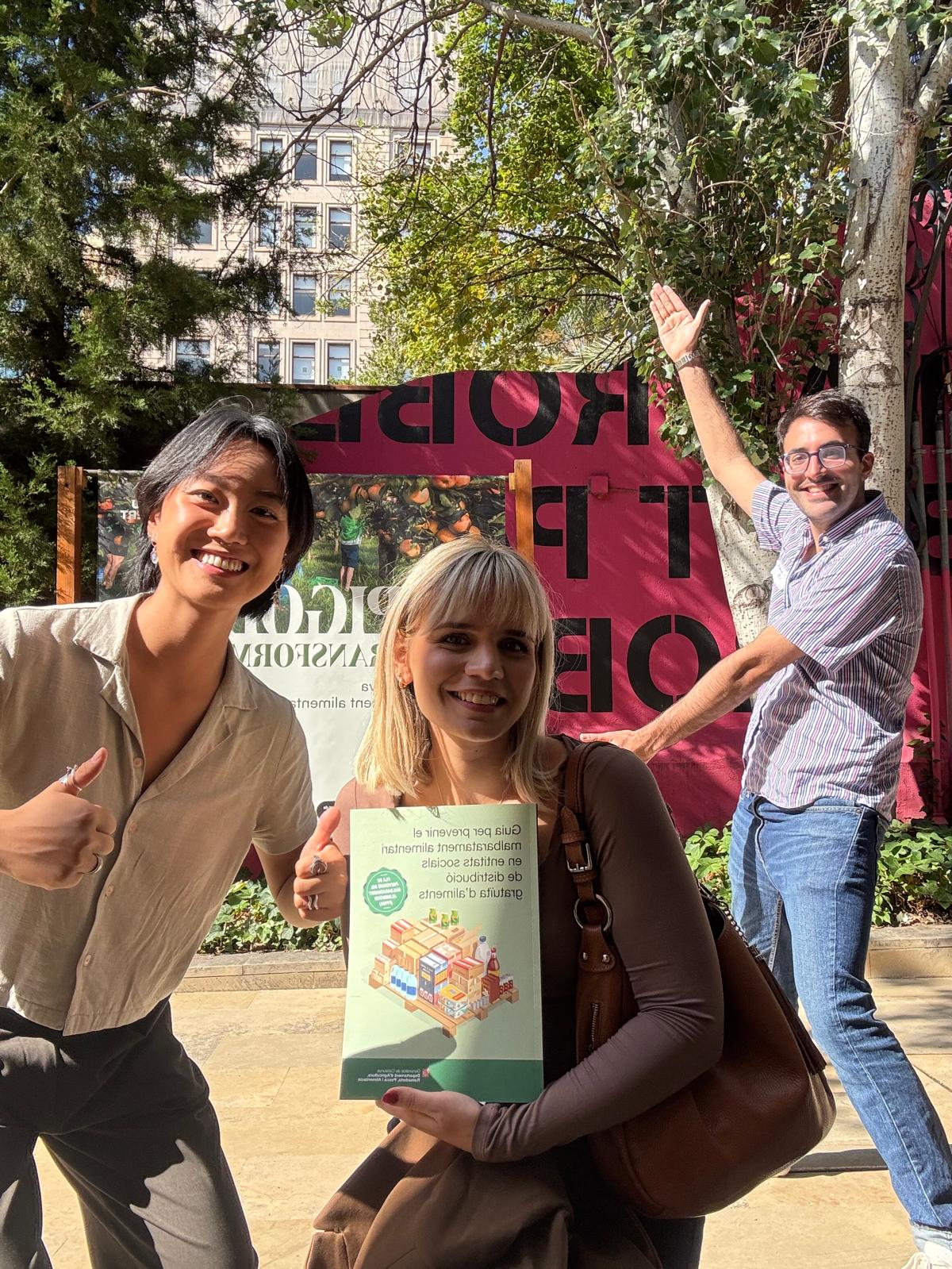
Solution: This handbook was developed within a CHARM-EU Capstone project on food loss and waste
(FLW) in the Metropolitan Area of Barcelona (MAB), in collaboration with the Generalitat de Catalunya’s Departament d’Agricultura, Ramaderia, Pesca i Alimentació (DARPA)
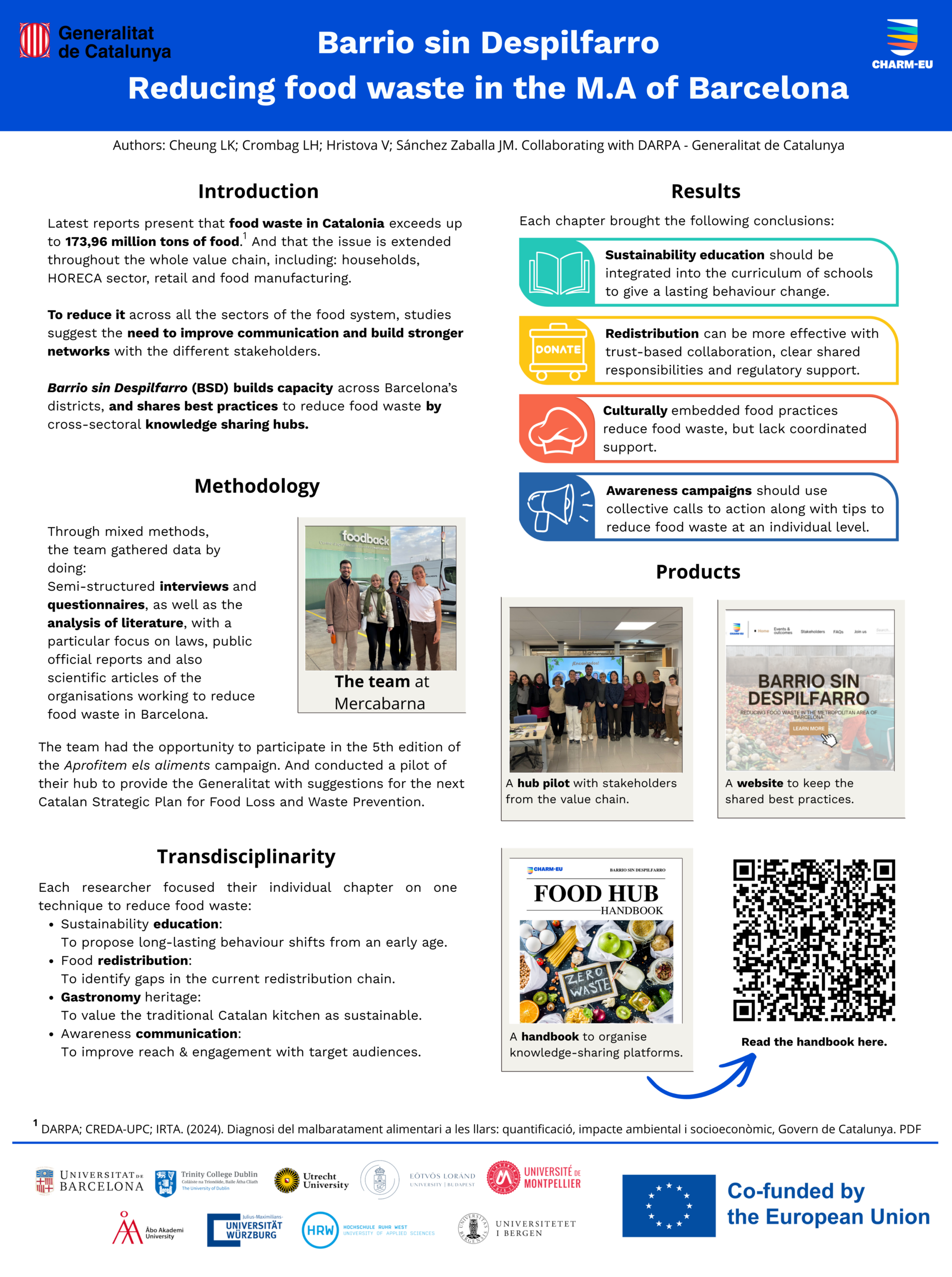
and a range of system actors, including social entities, wholesale and HORECA representatives, and public educators. It draws on four complementary perspectives explored in the Capstone project: household practices and education, public communication and campaigns, cultural and technical valorisation of surplus, and food donation and redistribution. The examples and templates are therefore meant to support hubs on any of these topics, as well as their intersections.

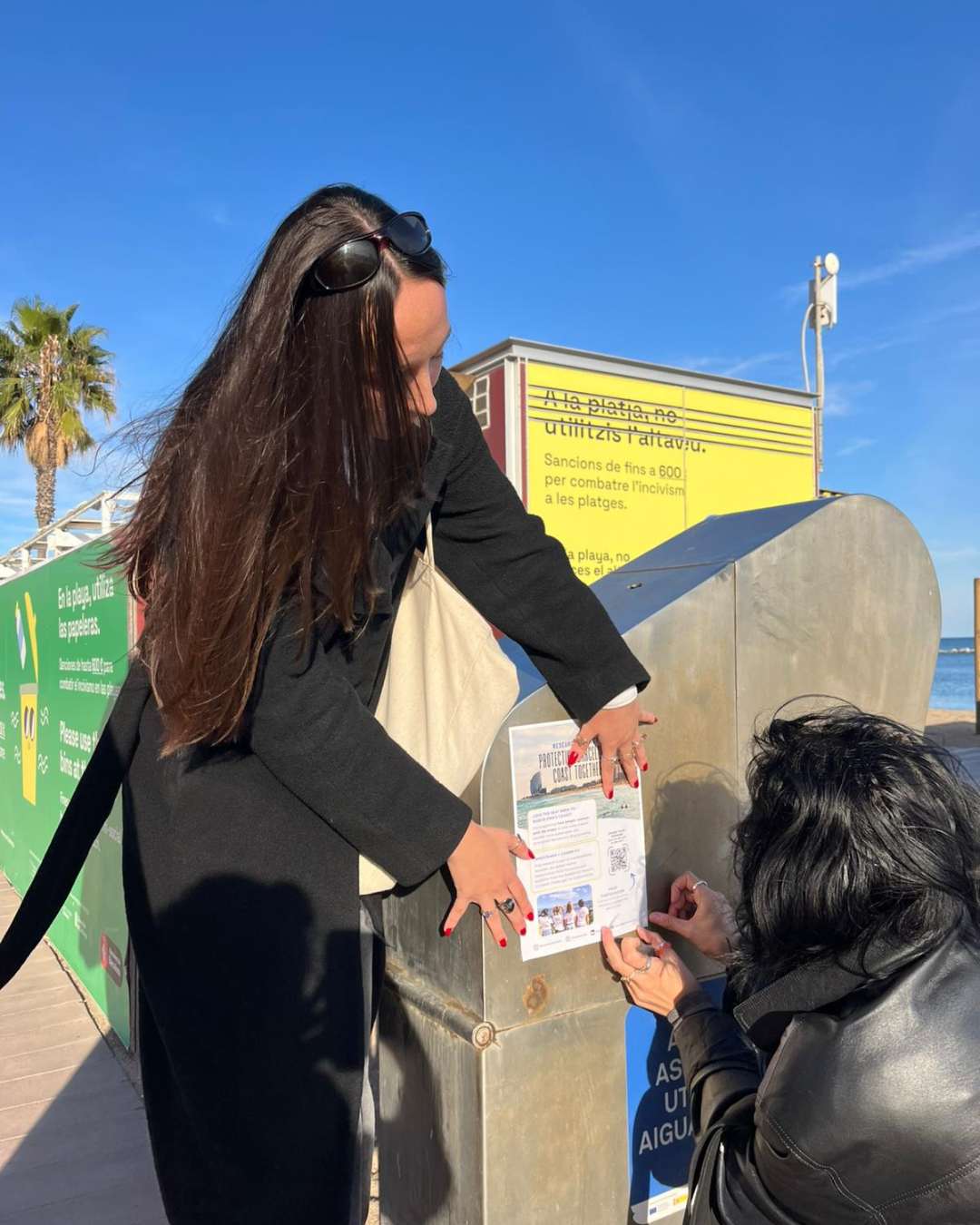
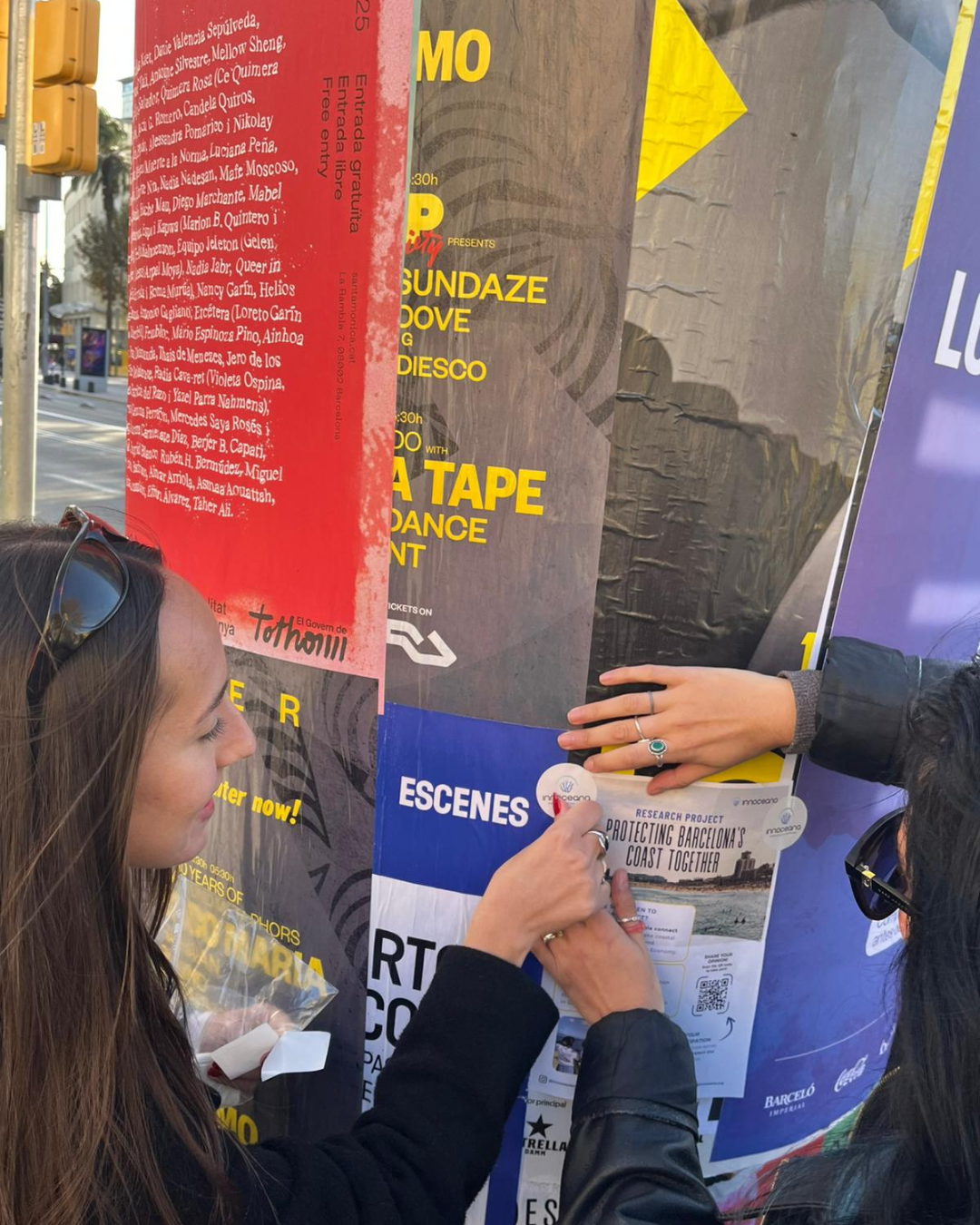
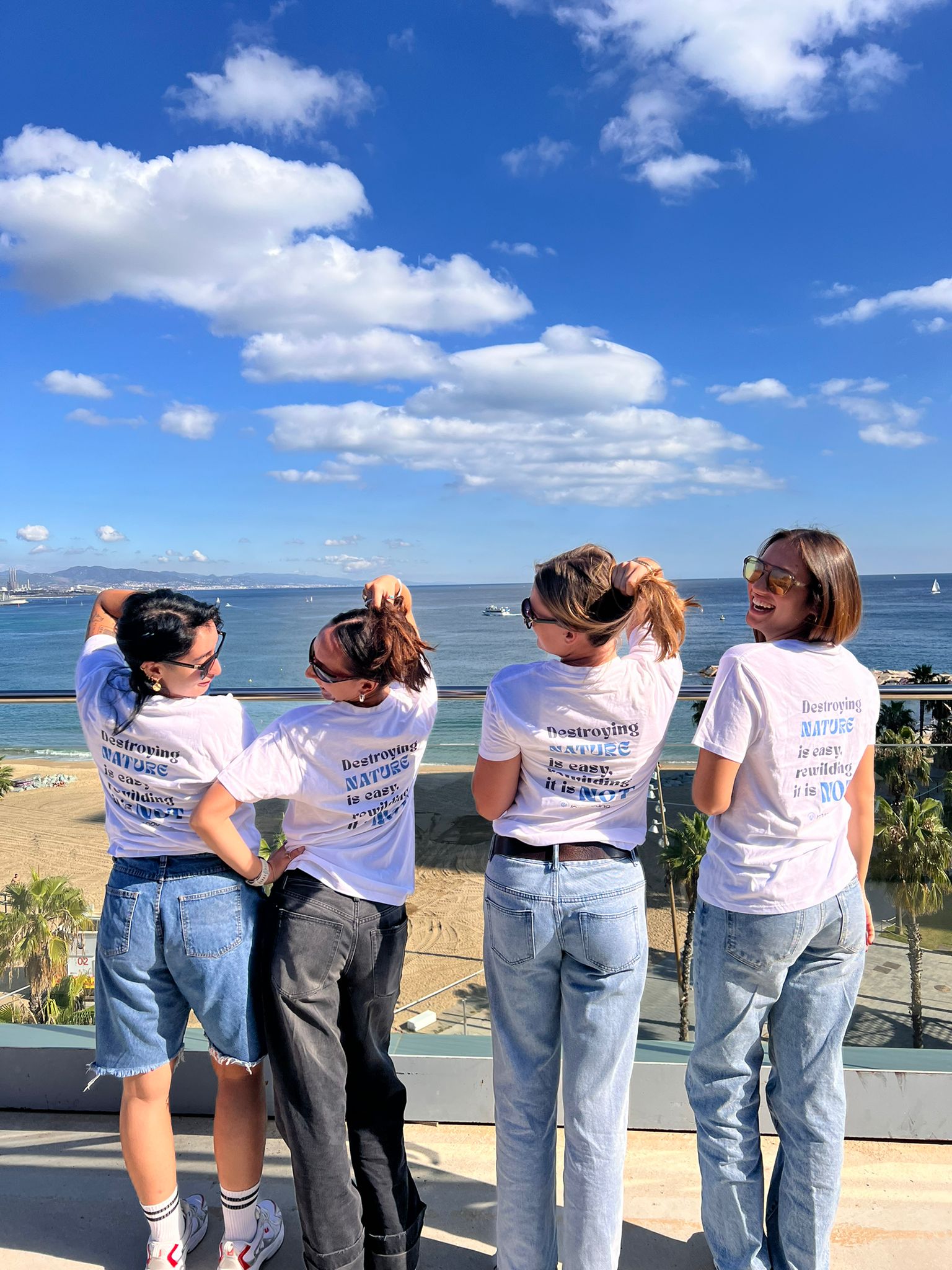
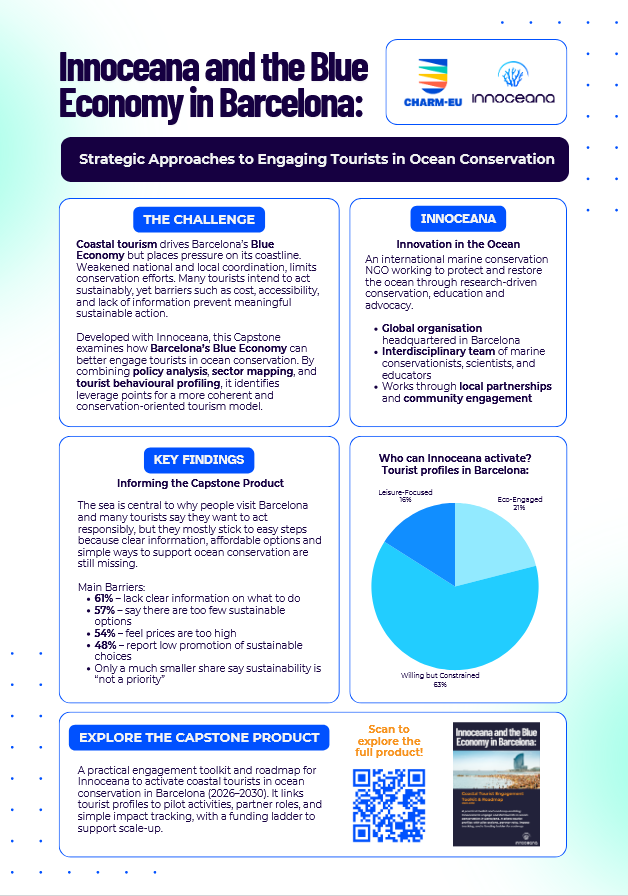
CHALLENGE 4: Innoceana and the Blue Economy in Barcelona: Strategies for Engaging Tourists in Ocean Conservation
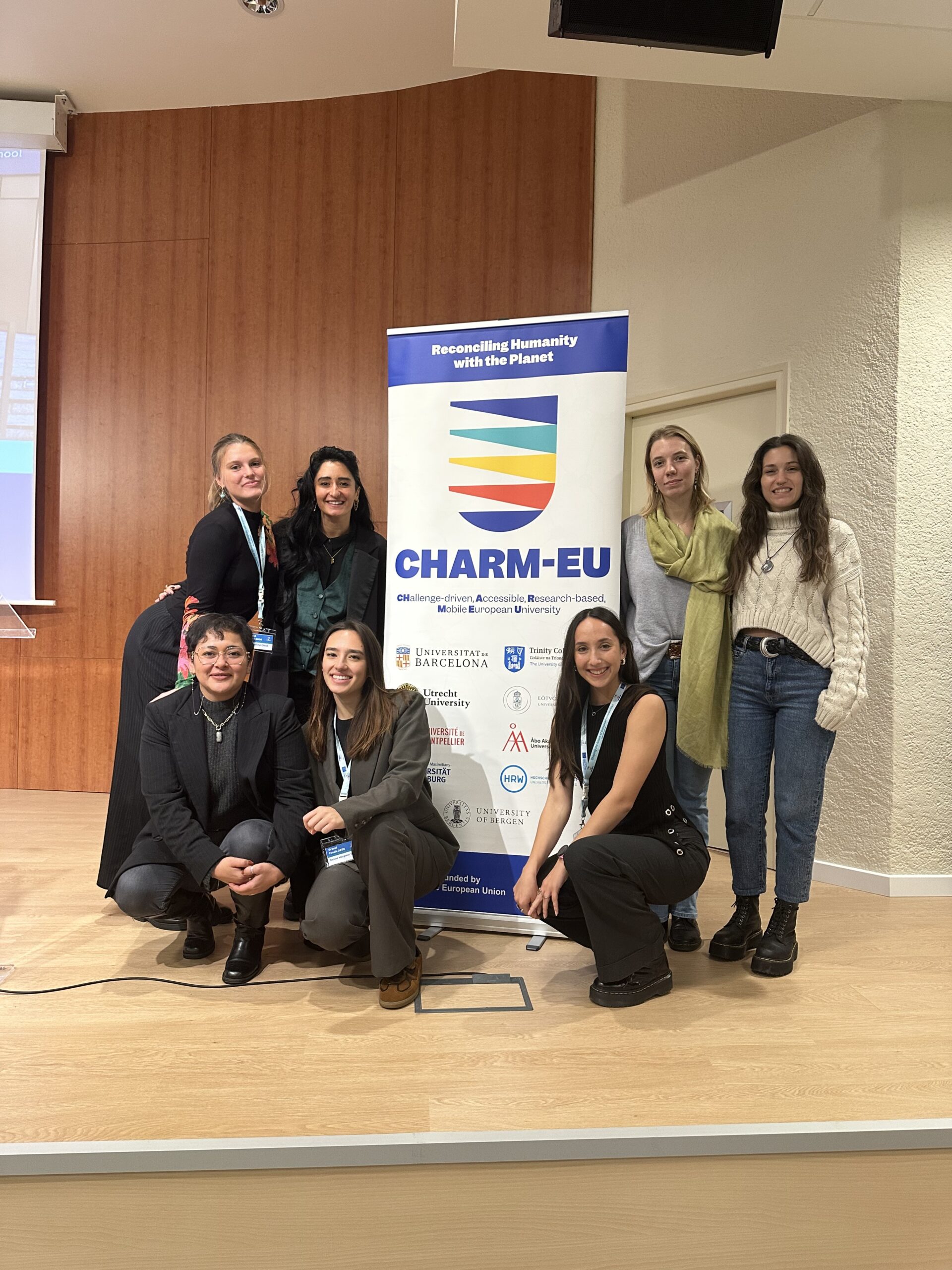
Students: Isabel Fernandes, Karolina Osak, Kristiyana Uzunova and Denise Vaas

Stakeholder: Berta Felipe Benavides, Innoceana, NGO

Academic supervisor: Liz Arroyo (UB)

Second reader: Anastasia Tsvetkova (AAU)

Description: Barcelona’s tourism industry thrives on its Mediterranean coastline, yet many visitors remain unaware of the environmental challenges facing coastal and marine ecosystems. Coastal tourism is a key driver of the city’s economy and, with Barcelona’s growing focus on the Blue Economy, represents an important sector where economic activity can be better aligned with sustainability objectives. This capstone challenge examines how Innoceana can support Barcelona’s Blue Economy ecosystem by transforming coastal tourism into an active driver of ocean conservation. The project explores tourist behaviours, motivations, and sustainability commitments while travelling, and develops strategic approaches that enable Innoceana to meaningfully engage visitors in ocean conservation while strengthening collaboration between tourists, local businesses, and conservation initiatives.

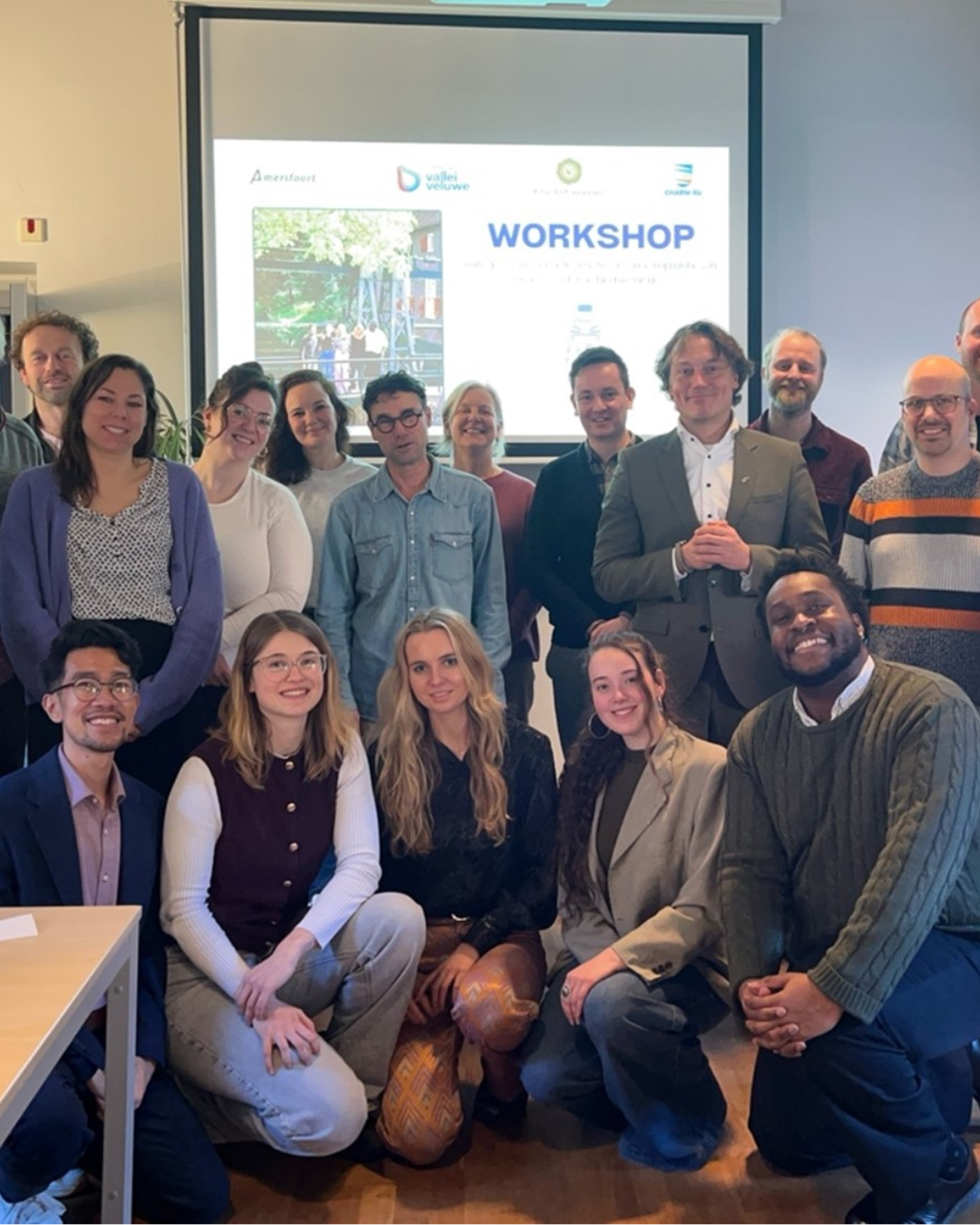
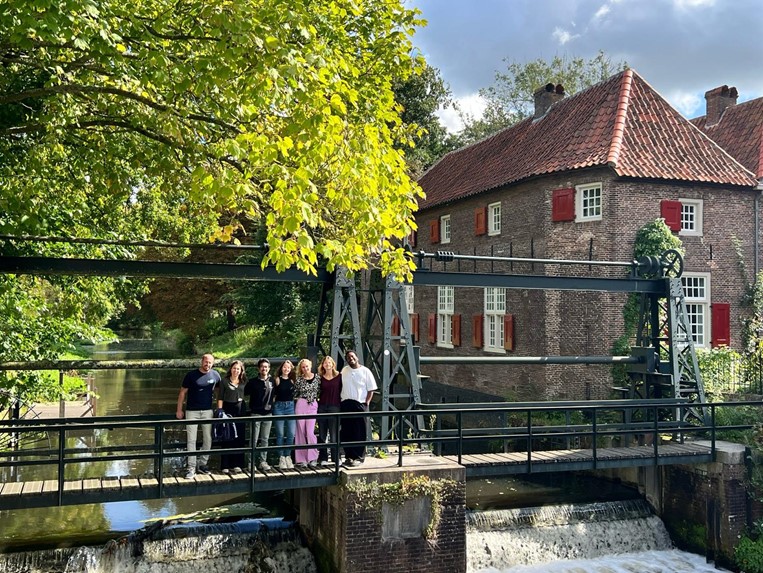
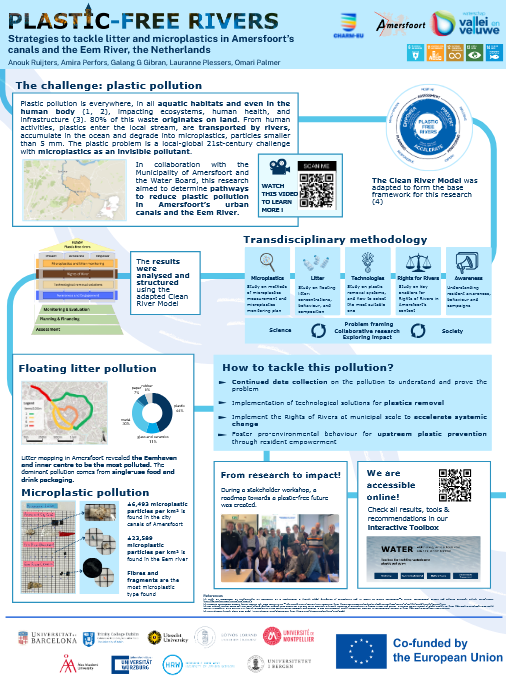
CHALLENGE 5: Plastic-free rivers: Strategies to tackle litter and microplastics in Amersfoort’s canals and the Eem River, the Netherlands
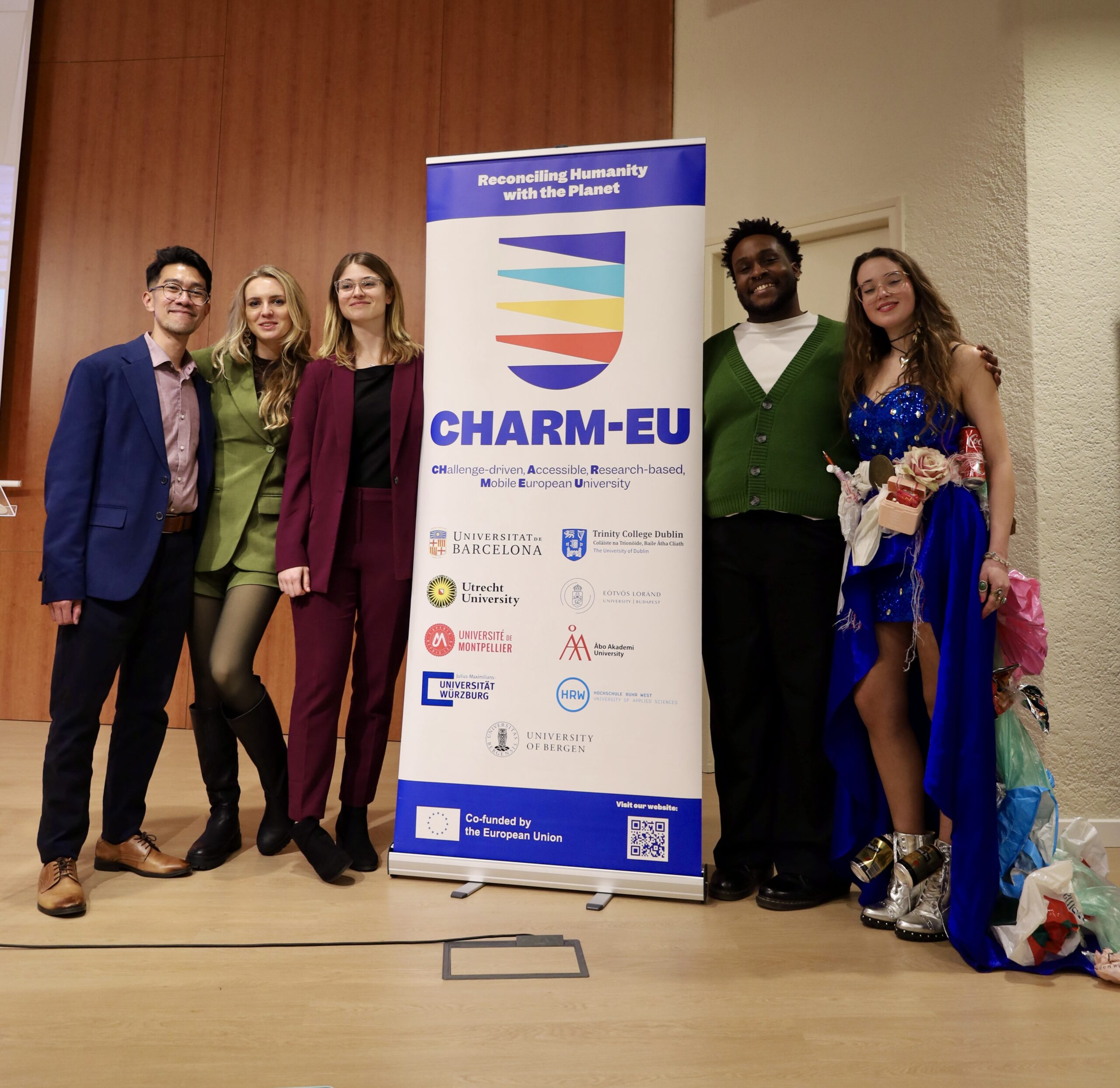
Students: Omari Palmer, Amira Perfors, Anouk Ruijters, Laurance Plessers and Galang Gibran

Stakeholder: Eefke Meijer, Gemeente Amersfoort en Waterschap Vallei en Veluwe

Academic supervisor: Ádám Toth (UU)

Second reader: Nadja Simons, Julius-Maximilians-Universität Würzburg (JMU)

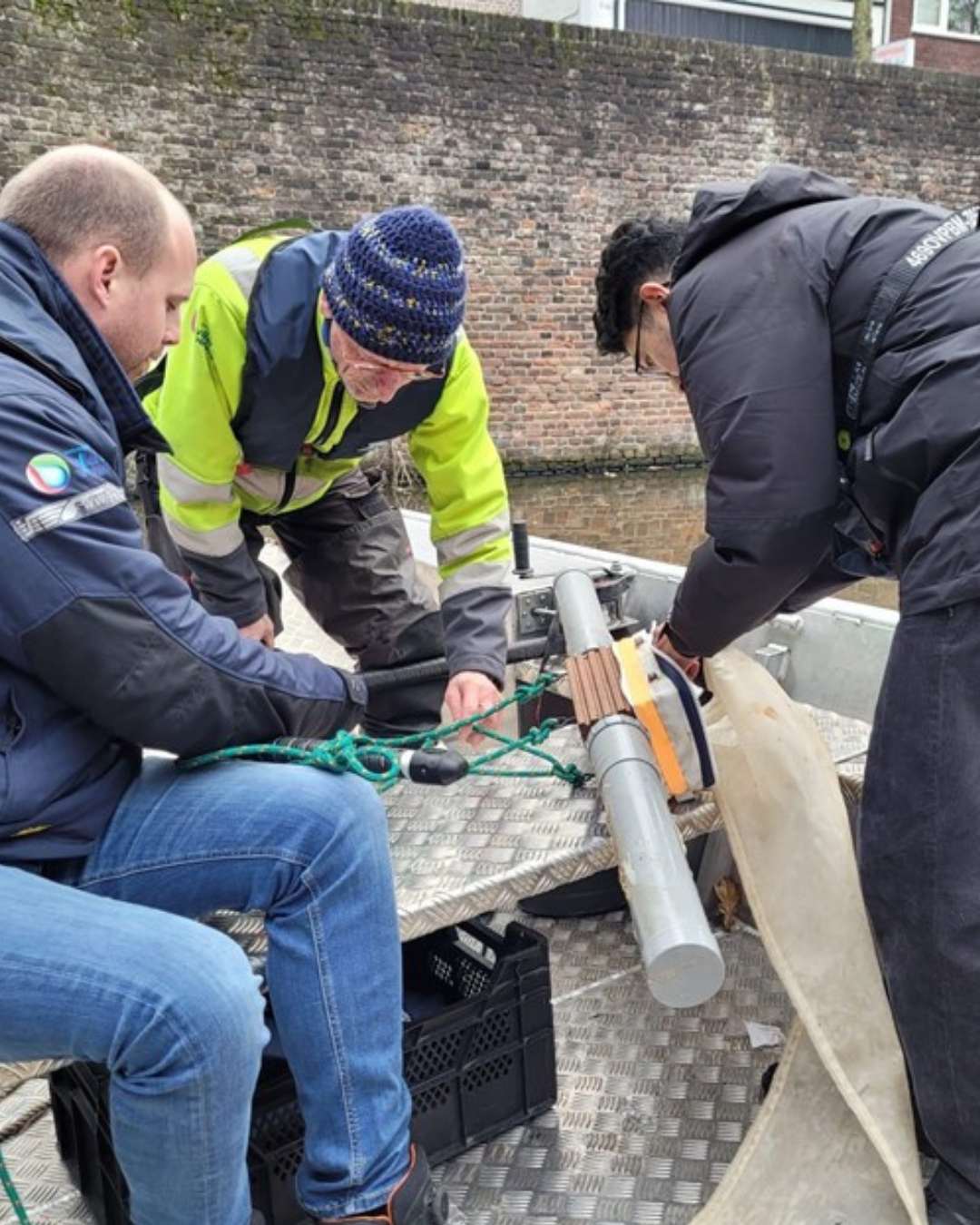
Description: Plastic pollution has been found in every aquatic habitat, harming ecosystems and human health. 80% of this waste originates on land, making its way into local streams and water bodies, then transported via rivers towards the global ocean system. While plastic pollution is not new, it has compounded into a growing 21st-century challenge: “microplastics, the invisible pollutant”. To tackle this issue, the team, in collaboration with the Municipality of Amersfoort and Water Board, has developed a roadmap to reduce litter and microplastic pollution in the city’s waterways and the Eem River. This approach includes microplastics measurement and litter monitoring protocols, tailored to the local context, a framework for selecting plastic removal technologies, suggestions for local awareness campaigns, and legal motions to recognise the Rights of the River. Together, these approaches aim to prevent pollution, accelerate systemic change, and empower all stakeholders to achieve a plastic-free Eem River by 2050.

CHALLENGE 6: Empowering SMEs through Digital EPR Compliance for the Transition toward Sustainable Business Practices
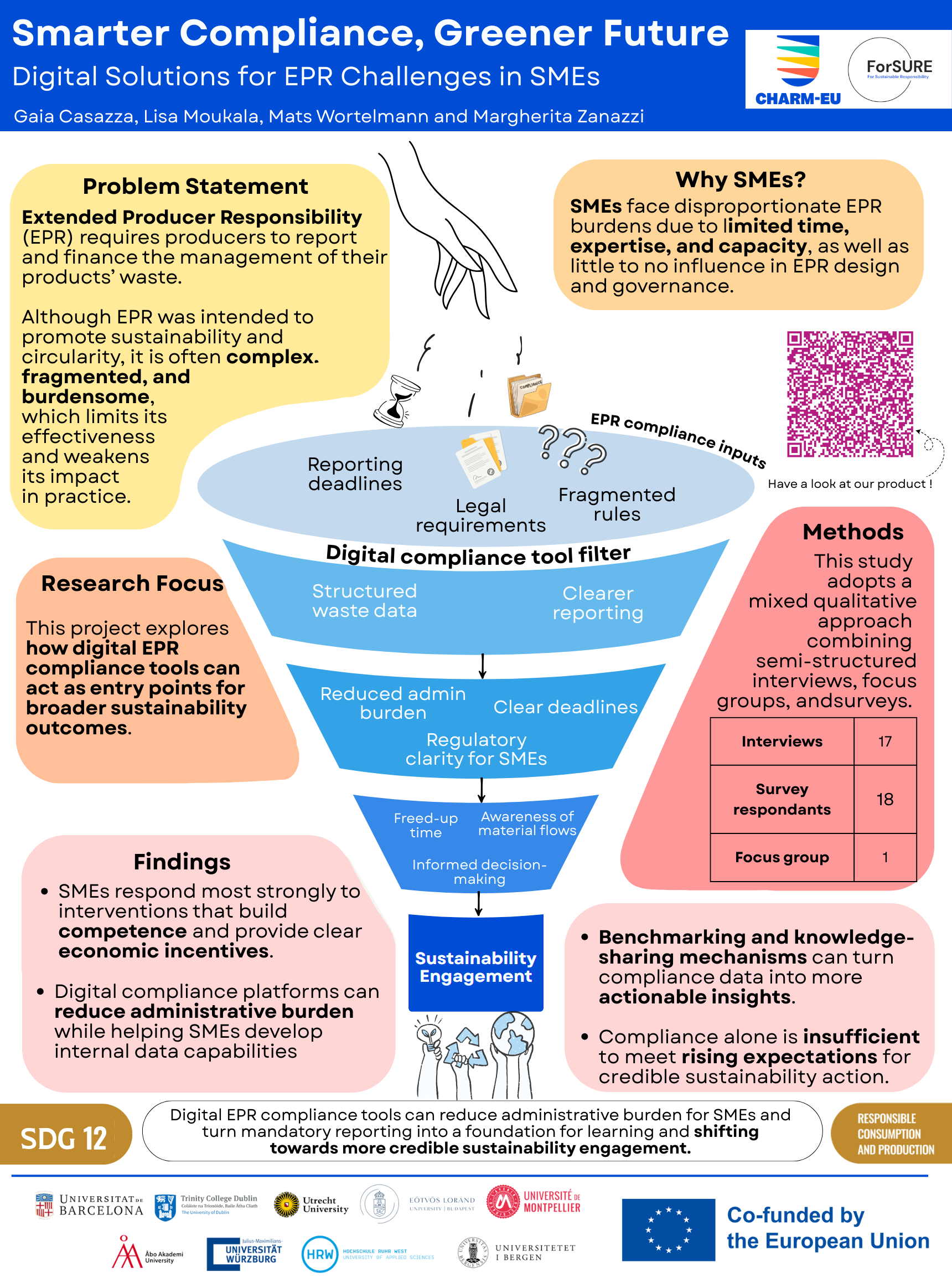
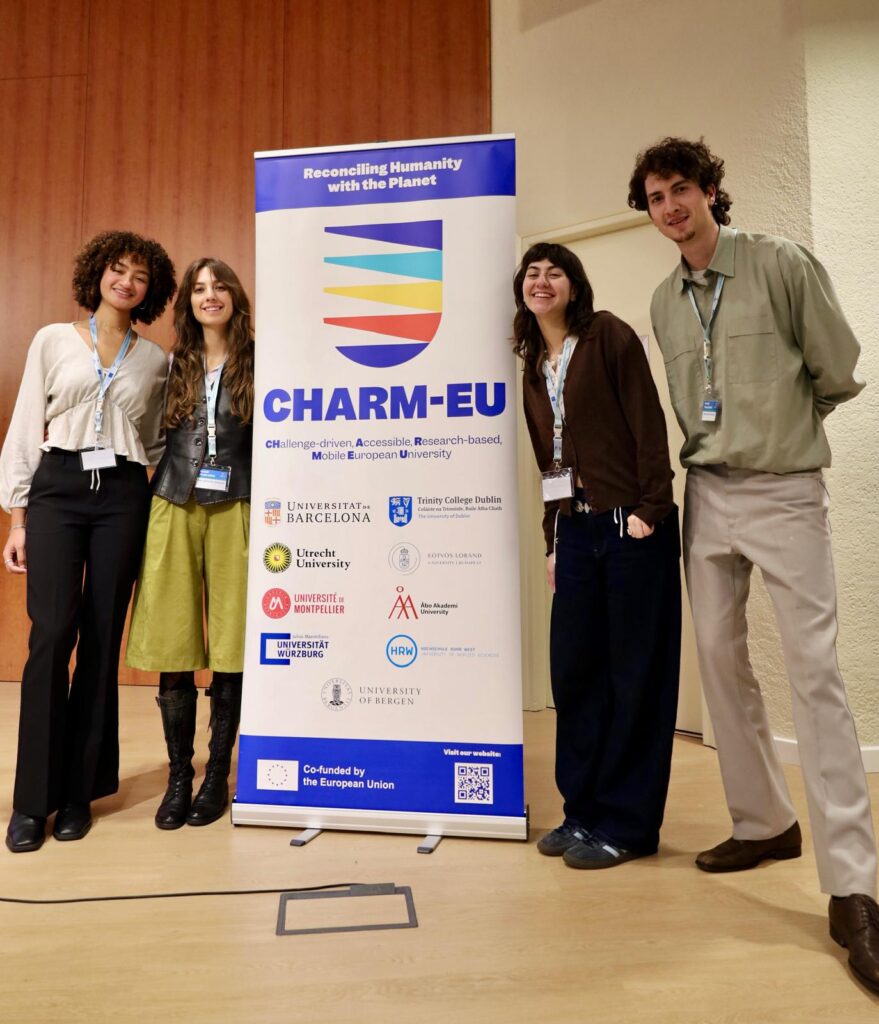
Students: Mats Wortelmann, Lisa Moukala, Margherita Zanazzi and Gaia Casazza

Stakeholder: Isaak Siebenga, ForSURE Europe B.V.

Academic supervisor: Annisa Triyanti (UU)

Second reader: Julia Thalmann (HRW)

Description: Extended Producer Responsibility (EPR) is a policy approach that holds producers financially and operationally responsible for the environmental impacts of their products throughout their life cycle. In practice, however, EPR is often perceived as burdensome due to complex and frequently changing reporting requirements, fragmented national rules, and substantial administrative demands, which place particular strain on small and medium-sized enterprises (SMEs) due to their more limited time, expertise, and resources. This project explores how digital compliance platforms can help SMEs turn demanding reporting obligations into a practical opportunity for sustainable growth, shifting compliance from a reactive, resource-intensive task to a strategic lever for sustainability, collaboration, and long-term competitiveness.

CHALLENGE 7: The emergence of seaweed cultivation in the Thau lagoon: Implications for climate-resilient aquaculture.
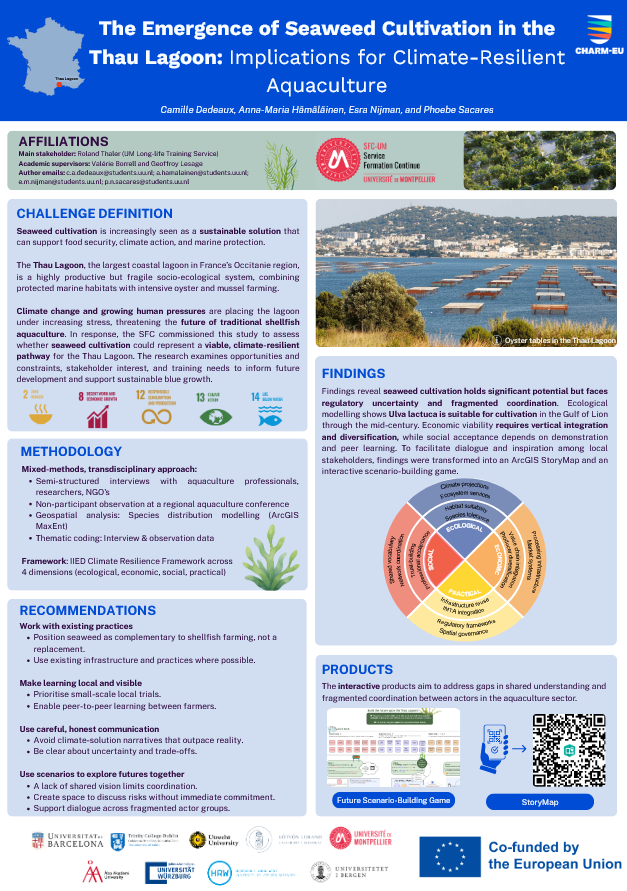
Students: Camille Dedeaux, Phoebe Sacares, Maria Hämäläinen and Esra Nijman

Stakeholder: Roland Thaler, Jean Peignon, Department of aquaculture, UM Long-life Training Centre, Université de Montpellier

Academic supervisor: Valerie Borrell and Geoffroy Lesage (UM)

Second reader: Tahmer Sharkawi (UM)

Description: Aquaculture in the Mediterranean is under increasing stress due to climate change and anthropogenic pressures. This capstone focuses on the Thau Lagoon, a major shellfish-producing area in Occitanie (France), to assess whether seaweed cultivation can contribute to adaptive aquaculture, diversification, and long-term sustainability. Working with regional stakeholders and the University of Montpellier’s Long-life Training Service (SFC), the team applied a transdisciplinary approach to analyse ecological, economic, governance, and social conditions of seaweed cultivation. Findings reveal that seaweed cultivation holds significant potential but faces regulatory uncertainty and fragmented coordination. The project aims to inspire and support collaborative communication across local stakeholders, while contributing to the broader mission of climate-resilient aquaculture systems.

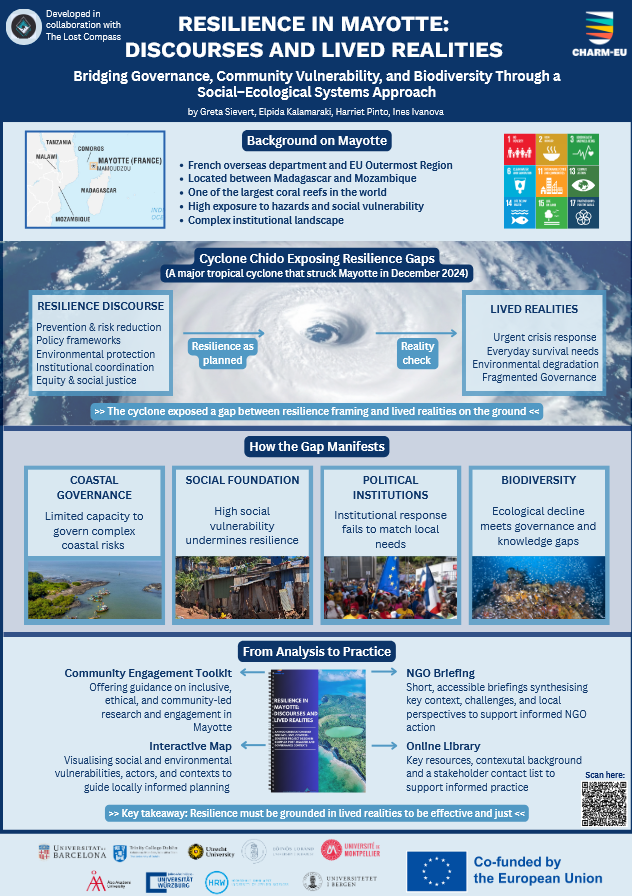
CHALLENGE 8: Bridging the gap between scientific approaches and lived realities in Mayotte
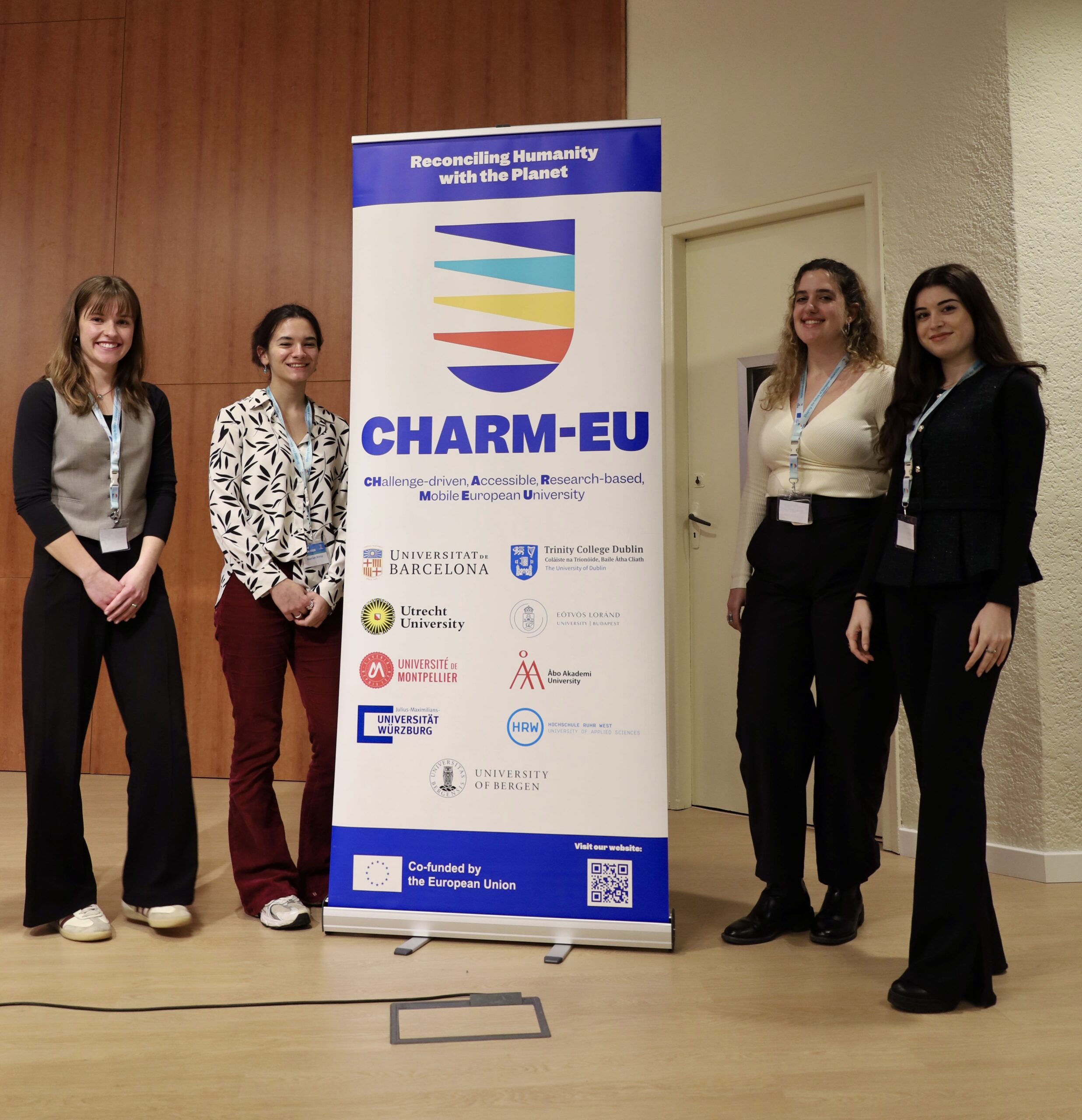
Students: Elpida Kalamaraki, Greta Sievert, Harriet Pinto and Ines Ivanova

Stakeholder: Mathieu Bourgarel, The Lost Compass

Academic supervisor: Patriccia Cucchi (UM)

Second reader: Annisa Triyanti (UU)

Description: This Capstone project examines the persistent gap between institutional “resilience discourse” and lived survival realities in Mayotte. Although governed by French law and European policy frameworks, Mayotte experiences extreme social vulnerability, marked by widespread poverty, informal housing, limited access to basic services, and legal precarity. Simultaneously, the island is a global biodiversity hotspot where coral reefs, mangroves, and lagoon ecosystems are already operating near their ecological limits. Using Cyclone Chido (December 2024) as a critical case, the project shows how environmental hazards do not create vulnerability in isolation but expose and amplify long-standing structural, institutional, and governance failures. Through four interconnected analytical dimensions, social foundations, political institutions, coastal governance, and biodiversity assessments, the research demonstrates how fragmented multi-level governance, capacity constraints, and top-down approaches hinder equitable disaster response and prevent scientific knowledge from translating into meaningful action. The project in collaboration with The Lost Compass ultimately argues that resilience in Mayotte cannot be addressed through emergency response alone but requires confronting structural vulnerability and rebuilding trust between institutions, ecosystems, and communities.

CHALLENGE 9: Private Sector Engagement in Sustainable Rangeland Management
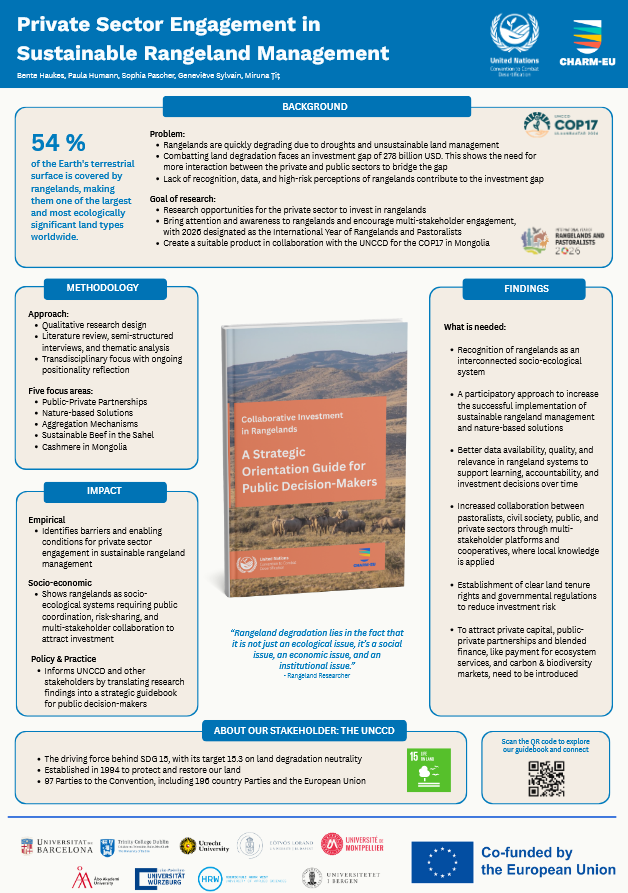
Students: Paula Humann, Genevieve Sylvain, Bente Haukes, Miruna Denisa Ţiţ and Sophia Pascher

Stakeholder: Sarah Toumi, Liv Angerer, Melissa Dachrodt , Emma Pistarino, United Nations Convention to Combat Desertification (UNCCD)

Academic supervisor: Antoine Leblois, INRAE France’s National Research Institute for Agriculture, Food and Environment

Second reader: Alexander Bönner (HRW)

Description: Rangelands cover over half the Earth’s terrestrial surface, supporting ~500 million pastoralists worldwide while providing critical ecosystem services and underpinning global livestock value chains. Yet, rangelands are among the most degraded and underfinanced ecosystems worldwide, facing accelerating pressures from climate change, land degradation, and fragmented governance. In collaboration with the United Nations Convention to Combat Desertification, this Capstone Challenge explores how sustainable rangeland management can be strengthened by mobilizing private-sector engagement alongside public and community actors. It focuses on public-private partnerships, nature-based solutions, and aggregation mechanisms as potential pathways to enable restoration, resilience, and equitable livelihoods.  Value chain case studies of Mongolian cashmere and Sahelian beef ground the analysis in real-world policy and highlight investment challenges on global land degradation neutrality (SDG15.3).

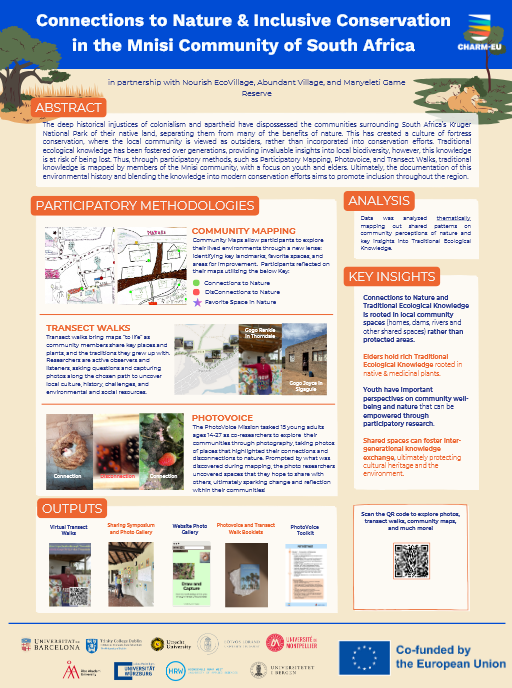
CHALLENGE 10: Inclusive Conservation in the Greater Kruger National Park
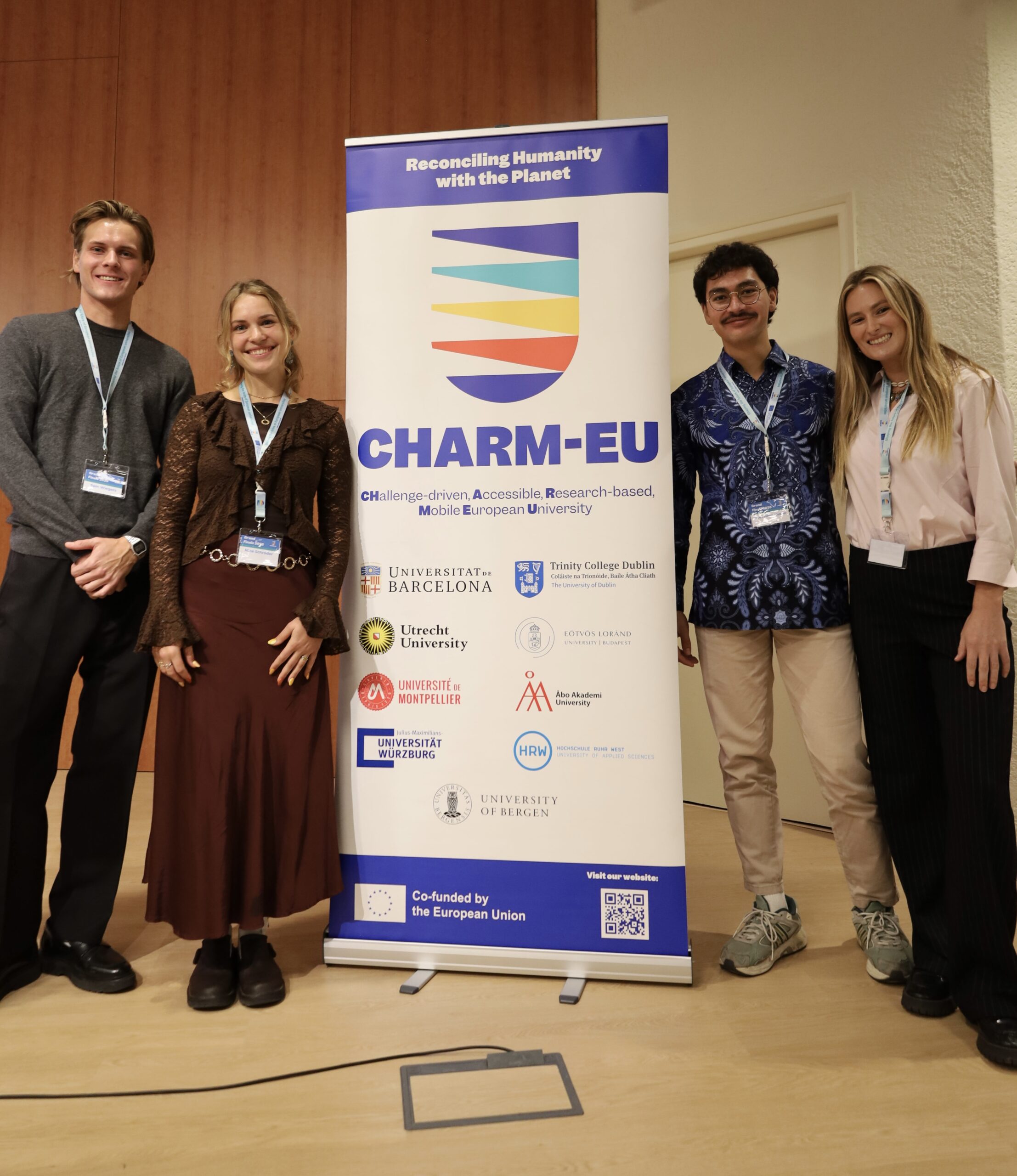
Students: Sam Wiegers, Nina Schröder, Grace Fratello-Hakim and Leon Mueller

Stakeholder: Armanda Bastos, University of Pretoria

Academic supervisor: Patrick Wall (TCD)

Second reader: Théophile Munyangeyo (TCD)

Description: The deep historical injustices of colonialism and apartheid have dispossessed the communities surrounding South Africa’s Kruger National Park of their native land, separating them from many of the benefits of nature. This has created a culture of fortress conservation, where the local community is viewed as outsiders, rather than incorporated into conservation efforts.  Traditional ecological knowledge has been fostered over generations, providing invaluable insights into local biodiversity; however, this knowledge is at risk of being lost.  Thus, through participatory methods, such as Participatory Mapping, Photovoice, and Transect Walks, traditional knowledge is mapped by members of the Mnisi community, with a focus on youth and elders. Ultimately, the documentation of this environmental history and blending the knowledge into modern conservation efforts aims to promote inclusion in the National Park.

About this resource

Share it!