Hybrid Active Learning Classrooms for inter-institutional teaching
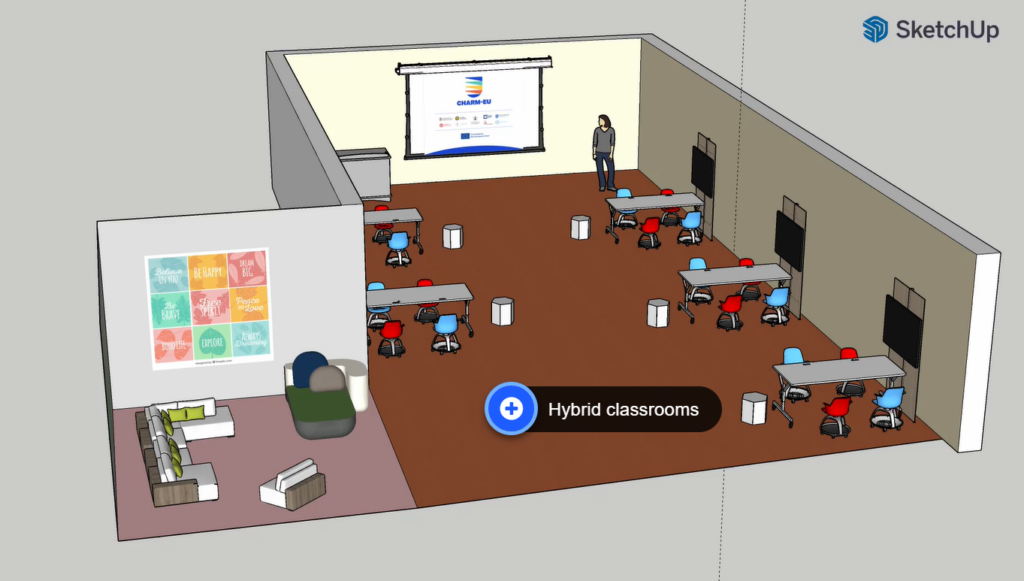
CHARM-EU is an early adopter of the concept of teaching and learning in hybrid classrooms. The CHARM-EU Master Programme ‘Global Challenges in Sustainability’ started in September 2021. Each of the participating institutions set up at least one hybrid classroom which is suitable for joint teaching and learning in the CHARM Master Programme. Since then, the […]
CHARM-ED: Using Small-Scale Funding to Support Collaborative Educational Innovation
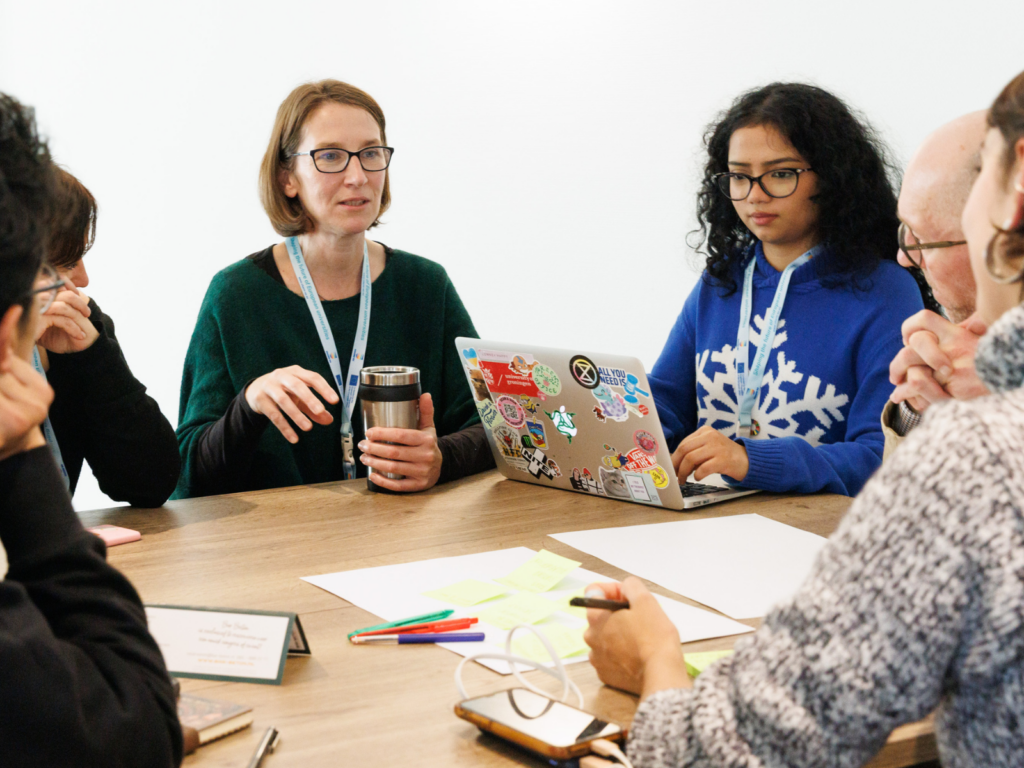
The CHARM-ED Funding Call is an initiative that incentivises collaborative educational innovation projects across the alliance. It provides small-scale seed funding for academic and professional staff to collaboratively develop innovative educational activities aligned with CHARM-EU educational principles. The approach enables institutions and alliances to: While originally designed to support inter-institutional collaboration across the CHARM-EU Alliance, […]
Mobile Geo-location Learning Experiences using the Peek App
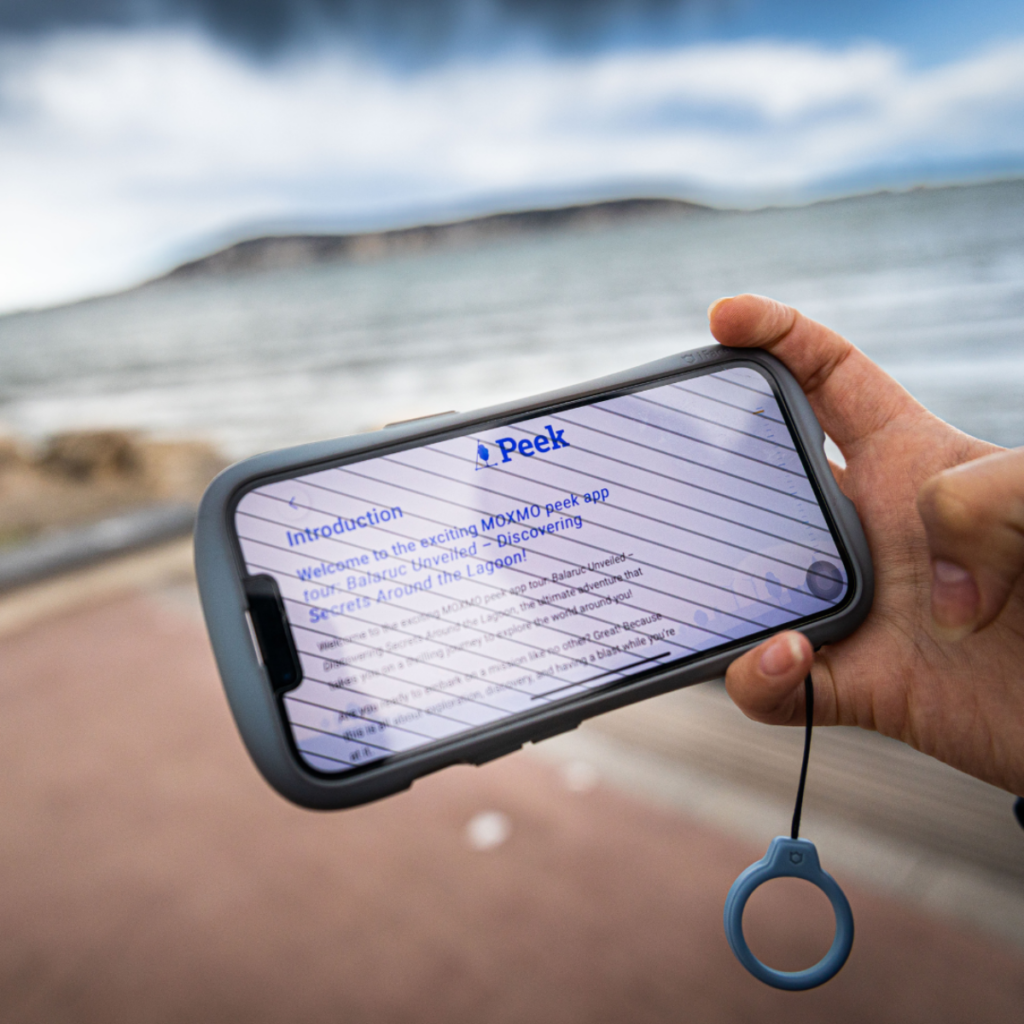
Learn how CHARM-EU uses a mobile geo-location app for active learning with its students. Situated learning, one of the CHARM-EU educational principles, is where students learn through social interaction in authentic, realistic contexts. Walking through a city or field trip location and observing its culture, nature, and infrastructure can transform how students understand global challenges. […]
Recognition of learning: Awarding digital credentials
In CHARM-EU, we have gained experiences with issuing digital credentials to professional learners. The digital credentials serve to recognize, validate and reward professional development activities. A digital credential represents a digital certificate verifying and listing the skills gained during an educational activity. Credentials (or badges) can be used to show lifelong learning achievements and shared […]
Joint curriculum design: a hackathon template
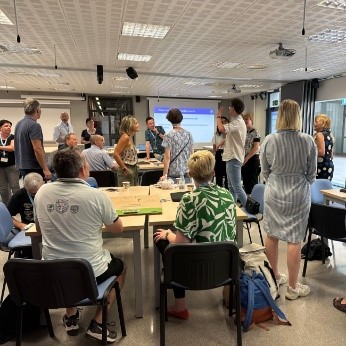
CHARM-EU has gained a lot of experience in joint curriculum design for the MSc programme Global Challenges for Sustainability. One of the effective approaches for joint design was an annual ‘hackathon.’ In this Blended Intensive Programme, teaching staff from all partner universities to work on module design, join professional development activities and become an international […]
Effective feedback: a workshop template
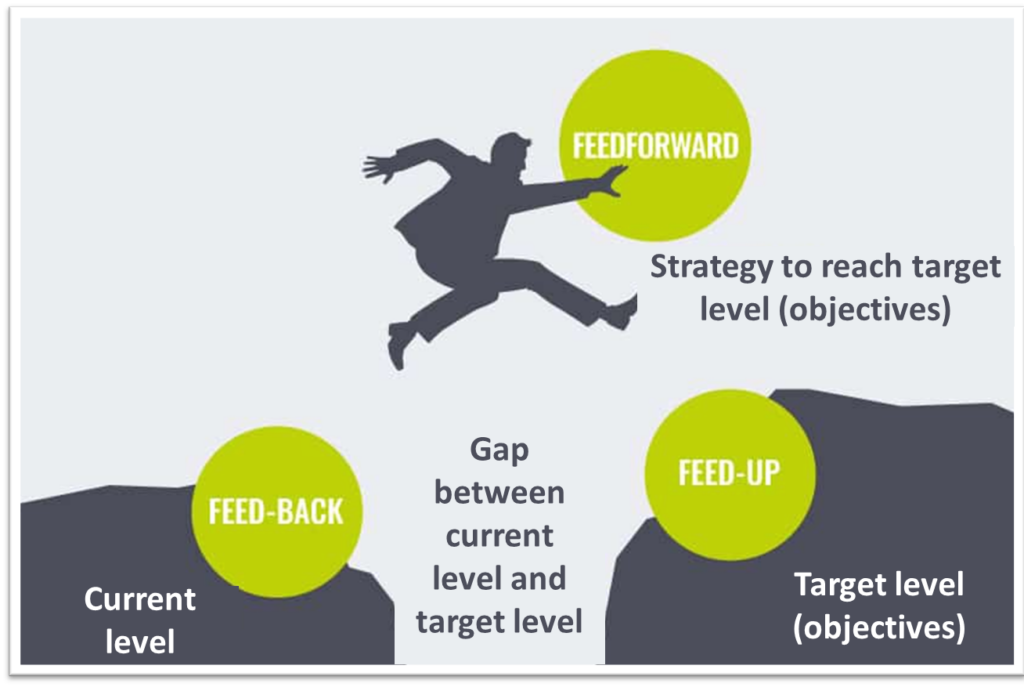
In the joint MSc programme Global Challenges for Sustainability high quality of feedback towards students is an important endeavor. This is important for our programmatic assessment approach, but also to enhance student-centered learning. Figure 1. Effective feedback according to Hattie and Timperley (2007)
Challenge-based learning: a workshop template
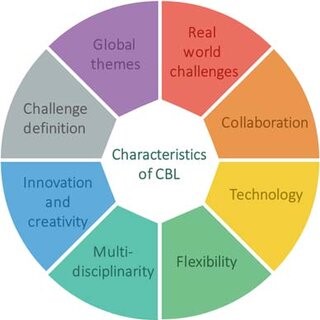
In the joint MSc programme Global Challenges for Sustainability challenge-based learning is one of the core educational principles. It is a student-centred approach that emphasizes critical thinking, real-world problem solving and active engagement. Figure 1. Characteristics of Challenge-Based Learning. Source: Gallagher and Savage (2020).
Programmatic assessment: a workshop template
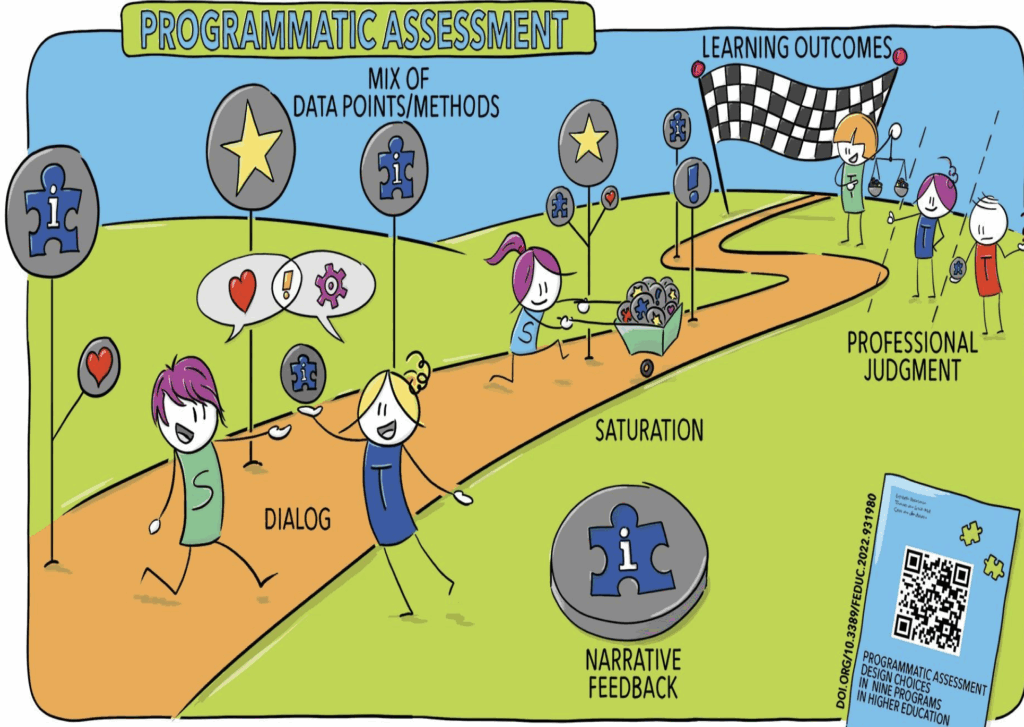
In the joint MSc programme Global Challenges for Sustainability the concept of programmatic assessment is applied. The main focus in this approach is the student’s learning. Instead of the ‘jumping through summative assessment hoops’, assessments should promote learning. To get an overview on programmatic assessment, see this video.
Applying challenge-based learning in existing courses in Barcelona, Montpellier and Budapest
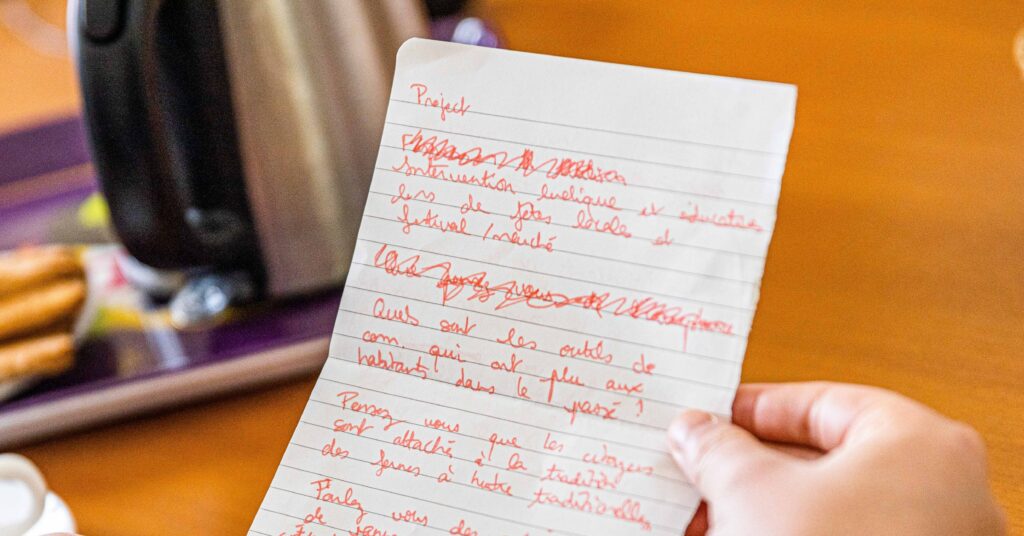
Integrating Challenge-Based Learning (CBL) into existing courses transforms traditional teaching methods by engaging students with real-world problems. This approach not only deepens their understanding of academic content but also equips them with critical skills for future success. Here you can find some practical examples carried out at the University of Barcelona (UB) and the University […]
ELTE adapting a course from Utrecht University
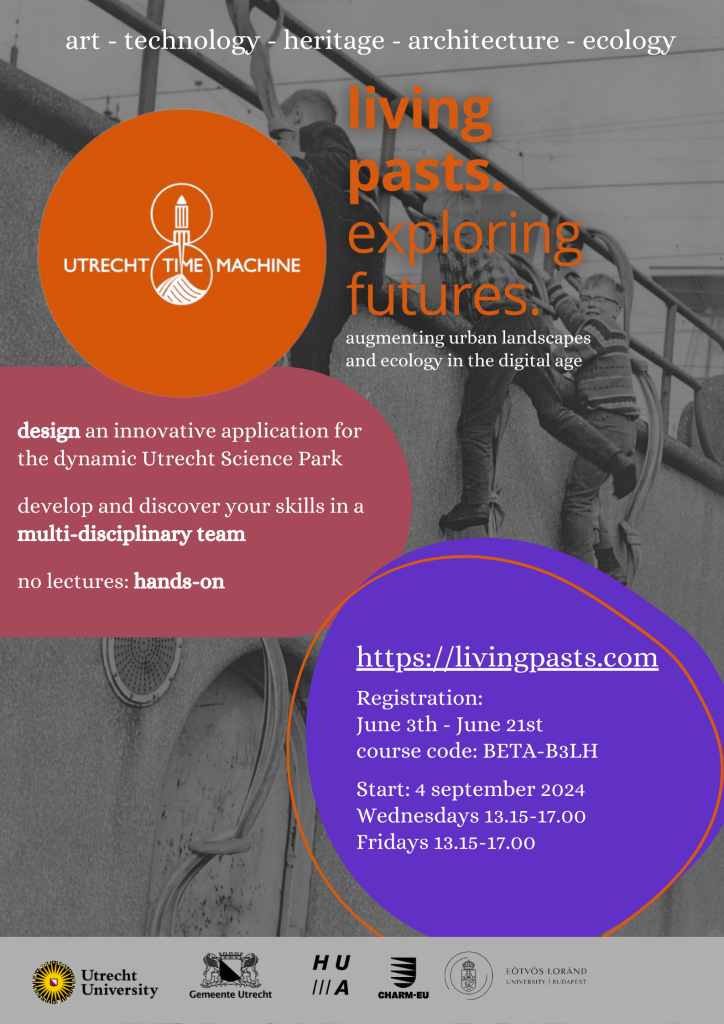
In 2023, Eötvös Loránd University (ELTE) and Utrecht University (UU) started to plan a new collaboration based on cultural heritage and digital humanities. The main objective of the project was to adapt at ELTE the ‘Living Pasts’ course, a challenge-driven and research-based approach of the digital humanities offered by UU, open to students from all […]