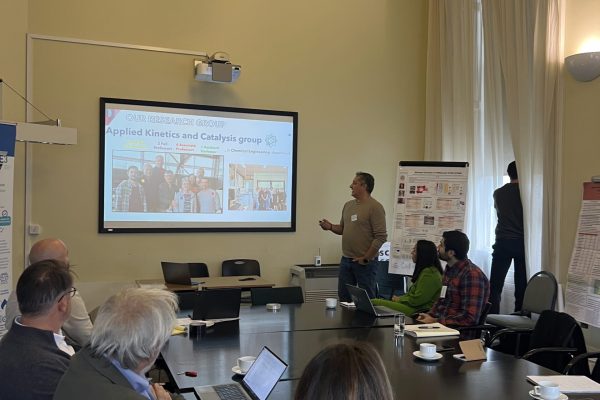
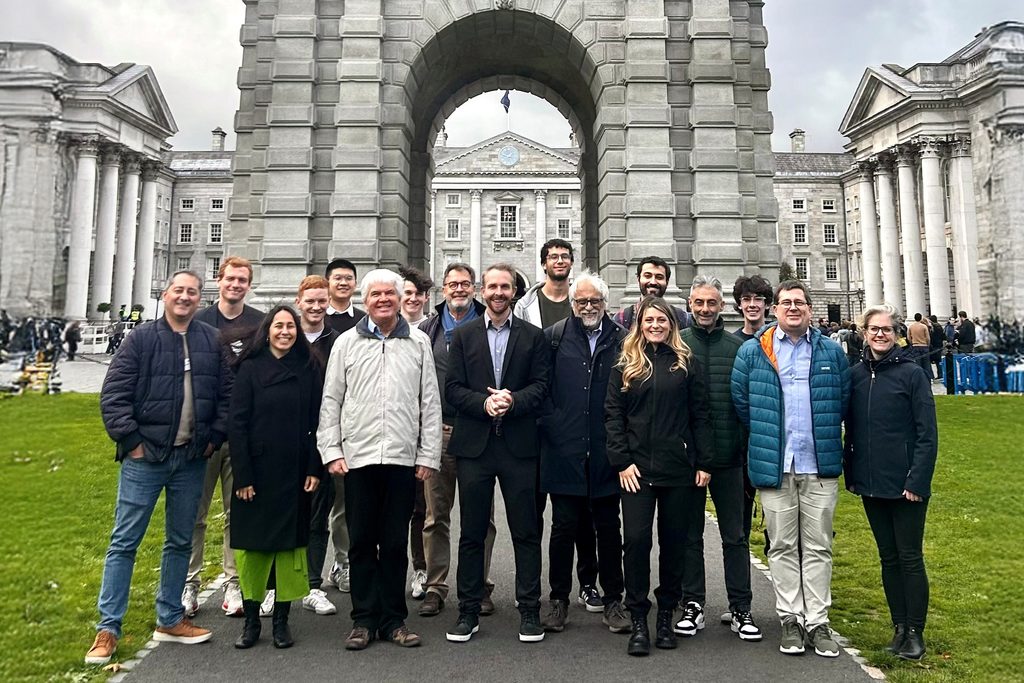
When international researchers gather at alliance networking events, the ultimate ambition is to turn shared ideas into concrete, high-impact research. That vision has now become reality for a team of chemical engineers across Europe. What began as a collaborative discussion at the CHARM-EU Networking Event “Reaction Kinetics for Low-Carbon Technologies Deployment” in Dublin has officially culminated in a major research grant under the competitive Spanish 2025 Call for Knowledge Generation Projects.
Co-led by Dr. Roger Bringué Tomàs (Head of Chemical Engineering Studies at the University of Barcelona) and Prof. Stephen Dooley (Trinity College Dublin), alongside Dr. Michael Svärd (KTH Royal Institute of Technology, Sweden), the newly funded three-year project is titled “ION-EXCHANGE RESIN-BASED CATALYTIC ROUTES FOR SUSTAINABLE AVIATION FUEL PRODUCTION FROM MIBK” (MIBK2JET).
The hard-to-abate aviation challenge
Aviation remains one of the most difficult sectors of the global economy to decarbonize. Unlike ground transportation, commercial long-haul aircraft rely entirely on liquid hydrocarbon fuels with extremely high energy densities. Consequently, battery-electric and hydrogen propulsion systems remain technically unfeasible for long-distance commercial flights in the near term.
While Sustainable Aviation Fuels (SAFs) represent the most viable pathway toward net-zero flight, current SAF manufacturing methods face daunting technical and economic bottlenecks: harsh operating temperatures and pressures, rapid catalyst deactivation, incomplete kinetic understanding, and complex chemical processes that impede industrial scaling and intensification.
The MIBK2JET breakthrough solution
The MIBK2JET consortium directly targets these critical knowledge gaps. The project focuses on methyl isobutyl ketone (MIBK)—a versatile platform molecule derived from bio-based resources—to synthesise high-performance, drop-in jet-fuel hydrocarbons.
A core scientific innovation of the project is replacing traditional, energy-intensive metal/oxide catalyst systems with acidic ion-exchange resins (IERs) and IER-based bifunctional catalysts. By enabling catalytic hydrodeoxygenation (HDO) and upgrading under milder, solvent-free conditions, the team aims to reduce energy consumption and process complexity drastically.
Furthermore, to enforce full circularity, the research team is optimizing one-pot chemical pathways to produce MIBK directly from acetone derived from acetone-butanol-ethanol (ABE) fermentation of agricultural and organic waste streams.
Six roadmap objectives
To bridge the gap between fundamental laboratory chemistry and commercial implementation, MIBK2JET spans six integrated scientific objectives:
- Objective 1: Study of the synthesis of a SAF precursor from MIBK and 2‑MF (catalyst screening, optimization of operating conditions, and kinetic study)
- Objective 2: Synthesis of bifunctional catalysts based on IERs (effect of metal type, metal loading, and support)
- Objective 3: One‑step production of MIBK from acetone (screening of bifunctional catalysts, optimization of operating conditions, effect of ABE‑fermentation by‑products, catalyst stability)
- Objective 4: Synthesis of a SAF precursor from the aldol condensation of MIBK (screening of bifunctional catalysts, optimization of operating conditions, catalyst stability)
- Objective 5: Study of HDO reactions to obtain SAF products
- Objective 6: Testing the properties of the products obtained as SAF
A strong European alliance consortium
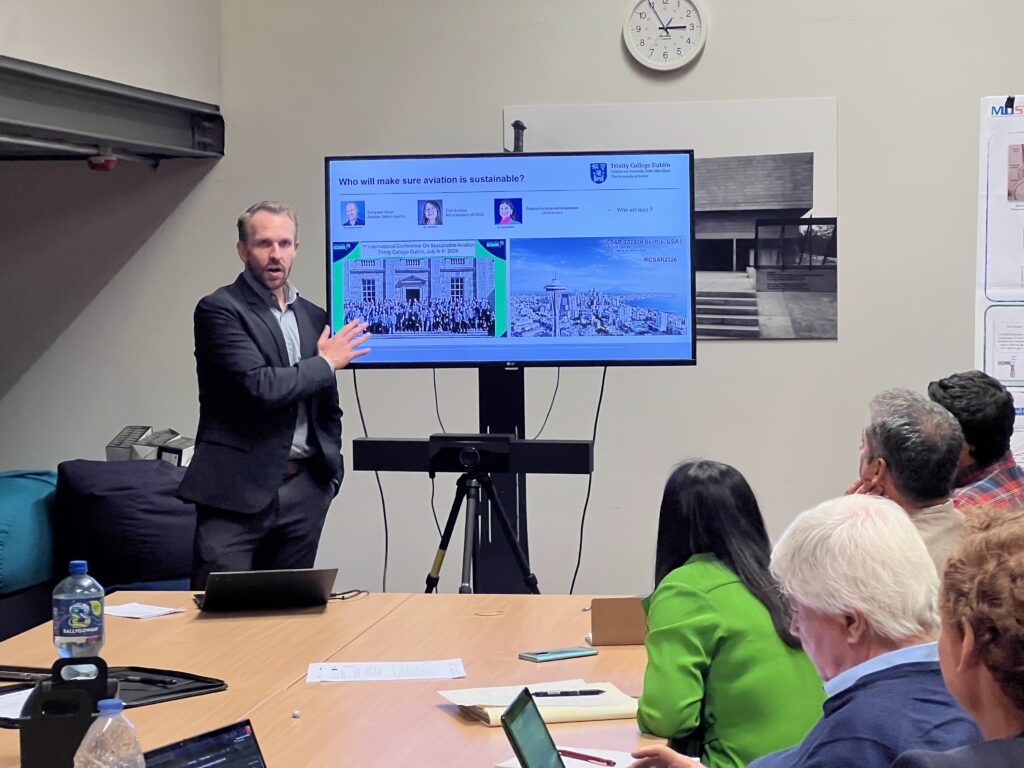
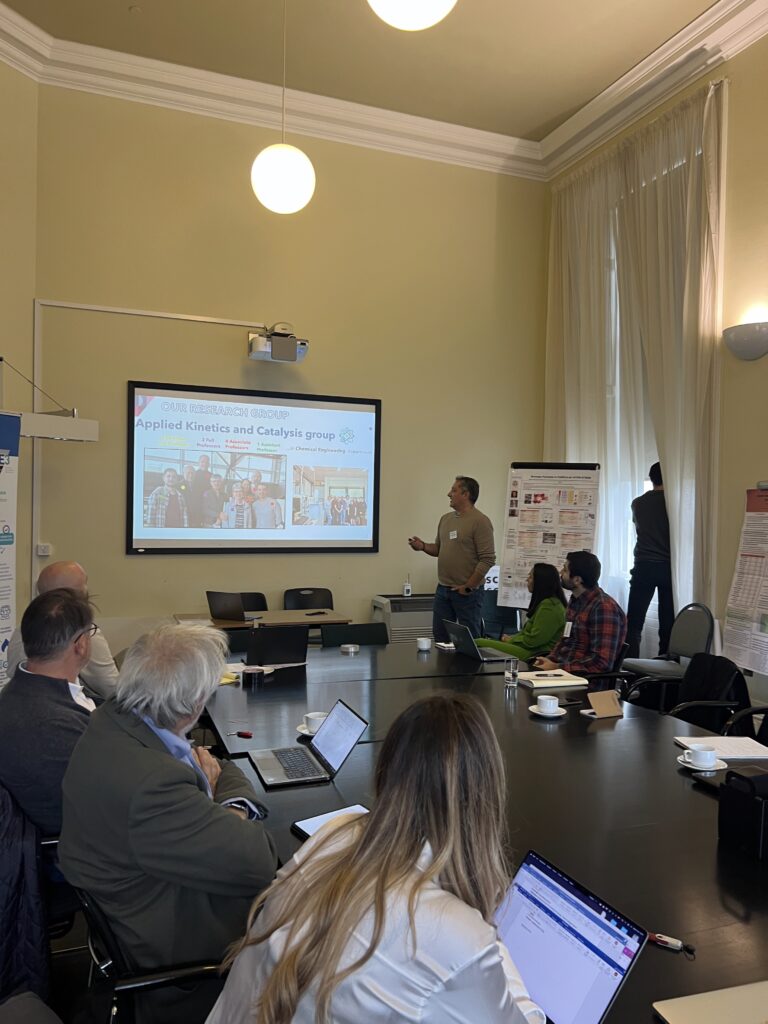
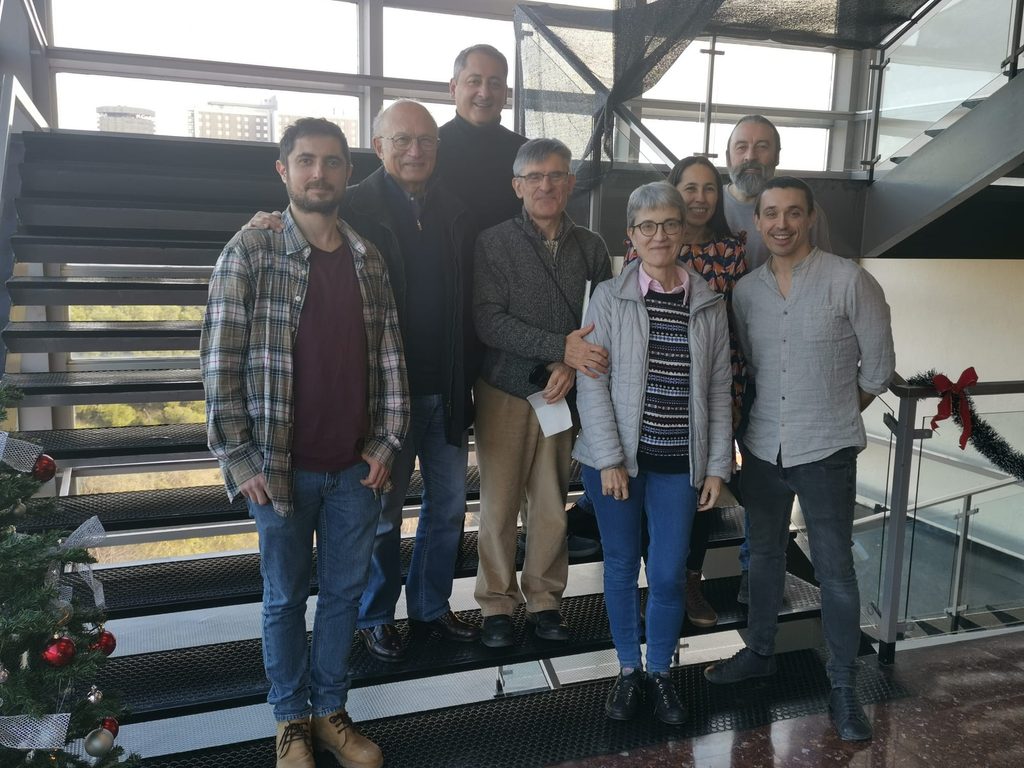
The success of MIBK2JET relies on complementary expertise drawn directly from three leading CHARM-EU partner institutions:
- University of Barcelona (UB)
- Dr. Roger Bringué (PI 1 & Group Leader)
- Dr. Eliana Ramírez (PI 2)
- Dr. Carles Fité
- Dr. Rodrigo Soto
- Dr. Jordi Hug Badia.
- Trinity College Dublin (TCD)
- Prof. Stephen Dooley
- Dr. Collan McNamara
- KTH Royal Institute (Sweden)
- Dr. Michael Svärd
Driving the European Green Deal
By establishing foundational design knowledge for ion-exchange resin catalysis and enabling process intensification under mild conditions, MIBK2JET provides a blueprint for scalable, sustainable aviation fuels. This three-year project exemplifies the transformative power of European university alliances in addressing high-impact sustainability challenges.