When
Where
Porthaninkatu 3, Turku, 20500
In an era of accelerating geopolitical, technological, and environmental crisis, what is the anchor that prevents our societies from drifting apart? This question lies at the heart of the CHARM-EU Annual Conference 2026. As we face disruptions that test our social fabric, we recognize that true resilience depends on foundational values—democracy, trust, and inclusion. These values underpin resilient societies and enable constructive dialogue and collective action in times of crisis.
European University Alliances are uniquely positioned to protect these values by serving as long-term, systemic spaces for democratic learning and practice. By integrating innovative governance, transdisciplinary research, and deep engagement with our cities and regions, we are moving beyond traditional education to build sustainable welfare societies. At the conference, we will gather to explore how our transnational cooperation can act as a platform for co-creation, ensuring a resilient future for Europe and beyond.
Sessions will cover topics such as:
- Social Entrepreneurship
- Transdisciplinarity
- The role of alliances in times of crises
- Democratic values in the classroom
- Open Science
- Democracy labs
Venue: Astra, Porthaninkatu 3, Turku, Finland
How to arrive: https://share.google/Gm1ISsiOAo11s9cMO
Format: On-site with partial live streaming. The morning panel session will be live streamed on the CHARM-EU YouTube Channel. The rest of the conference is designed to be attended onsite only.
Host of the CHARM-EU Annual Conference 2026: Åbo Akademi University
CALL for posters
The Open Call for Posters for the CHARM-EU Annual Conference 2026 is officially live. Whether you are an academic, a student, support staff, or an external stakeholder, we want to hear your voice on topics like inclusive university cultures, educational innovation, and transnational cooperation.
If accepted, you’ll get to pitch your work in person this October 14th at Åbo Akademi University in Turku, Finland. There you will engage with higher education change-makers, and have your work featured in the CHARM-EU resource centre.
Don’t miss your chance to contribute to sustainable welfare societies—review the submission guidelines and submit your abstract before September 15th.
PROGRAMME
Morning Sessions
8:00 – 9:00 Registration & Coffee
9:00 – 9:15 Opening by Rector Professor Gunilla Widén
Rector of host university ÅAU, Professor Gunilla Widén, welcomes the conference participants.
9:15 – 9:45 Universities as democratic actors
Keynote Speech by ÅAU Professor Kimmo Grönlund
9:45 – 10:45 From Mobility to Democratic resilience: The Role of European University alliances – Panel Session – You can follow this sesssion online.
European University alliances are often framed as vehicles for mobility and institutional cooperation, yet their potential role in supporting democratic values remains underdeveloped. In a context of growing political fragmentation across Europe, this panel examines how alliances can move beyond exchange formats such as Erasmus+ and contribute to democratic resilience.
Moderator:
- Doris Alexander, Associate Director of European Engagement and Director of CHARM-EU, Trinity College Dublin; Chair, Research & Innovation Topical Group, FOREU4ALL
Panelists:
- Anders Adlercreutz, Finland’s Minister of Education
- Maria Kelo, European University Association (EUA)
- Karl Stoeckel, CIVIS Executive Director
Rapporteur:
- Lena Wassermann, Advisor to the Vice President for Internationalisation at the University of Würzburg and supports the university’s strategic engagement within the CHARM-EU Alliance
10:45 – 11:15 Coffee Break and posters gallery walk
11:15 – 12:00 Design processes and initiatives for promoting sustainability leadership, civic engagement and inclusive mindset: the REDINEST Impact Labs – Interactive Lecture
Get inspired by the story of a journey that transformed the entrepreneurship education for computer science students into an international level interdisciplinary and impactful initiative: educational methods, goals, achievements, and activities for a student-powered and challenge-based impact lab network for the development of transformative competencies and inclusive mindset. Share your thoughts and ideas on creating cross-subject, cross-faculty and cross-institutional learning opportunities that form sustainability leadership and civic engagement skills of future changemakers.
Lecturer:
- Dr. Barbara Hegyi, Innovation and Entrepreneurship Education Coordinator at Eötvös Loránd University Budapest (ELTE)
Rapporteurs:
- Anikó Gál Bélteki and Ferenc Takó from Eötvös Loránd University Budapest (ELTE)
12:00 – 12:15 Group Picture
12:15 – 13:15 Lunch
Afternoon Sessions
13:30 – 15:00 Workshops – parallel sessions
SOCIAL ENTREPRENEURSHIP: BUILDING SOLUTIONS FOR RESILIENT COMMUNITIES
How can we turn academic ideas into tools for societal welfare? This workshop explores the link between innovation and social impact. Participants will work in small groups to “pitch” a solution to a local community challenge, focusing on how entrepreneurship can support democratic values like equity and inclusion.
Speakers and Facilitators:
- Sonia Cantel, Professor at the University of Montpellier
- Maria Hämäläinen, CHARM-EU Alumni
- Phoebe Sacares, CHARM-EU Alumni
- Roland Thaler, Professor at the University of Montpellier
Raporteur:
- Roland Thaler, Professor at the University of Montpellier
How to make your research or teaching methodologies more transdisciplinar?
Moving from theory to practice, this session explores how researchers and teachers can adapt their projects/work on a more transdisciplinar way of doing things.
Speakers and Facilitators:
- Dr. Jake Rowan Byrne, Co-Director of CHARM-EU and Assistant Professor in Contemporary Teaching and Learning at the School of Education, Trinity College Dublin
- Oriol Uviedo Palomas, Laboratory and project technician, specialized in microplastics and citizen science, University of Barcelona
- Roger Strand, full professor at the Centre for the Study of the Sciences and the Humanities and researcher in the Theory of Science research group at the University of Bergen
-
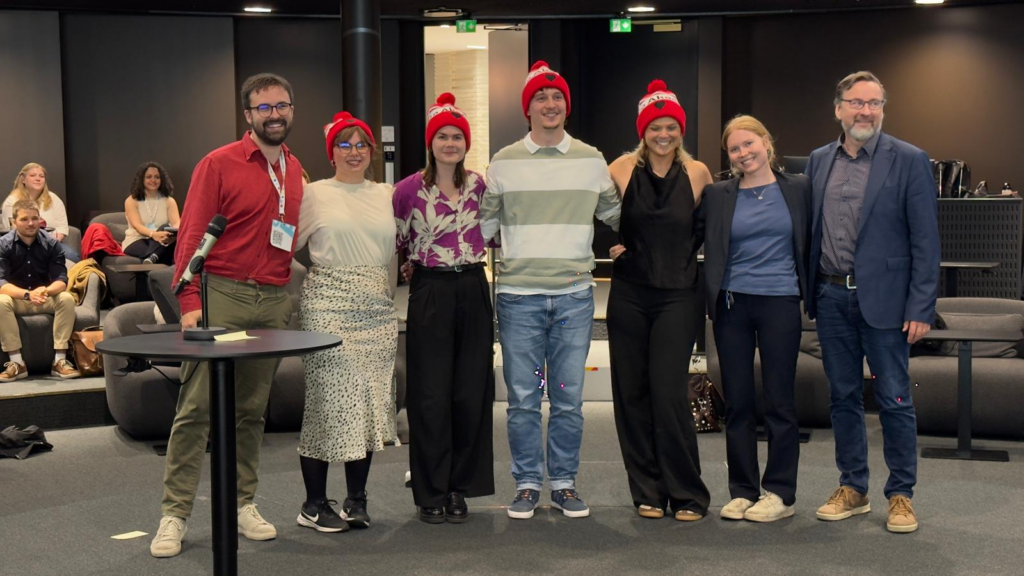
The winning team of the pitch competition at the CHARM-EU Doctoral Summer School 2026 on transdisciplinarity:
-
Ellen Lund, Study of religions, Åbo Akademi University
-
Olympe Mahé Behavioral Green Finance, University of Montpellier, France
- Niklas Reich, Applied Mathematics, Ruhr West University of Applied Sciences, Germany
- Linda Ruppert, Literary Studies, University of Würzburg, Germany
-
The team consists of four doctoral candidates, working in four different fields, at four different universities, in three different countries. The team worked on the question of how the Energy Vision 2040 – the switching of energy systems in the Turku region – can become a success. The team presented their winning pitch “Co-Creating the Energy Vision 2040” first at Åbo Akademi University in June 2026, combining the input of extensive research with economical methods and citizen participation.
Raporteur:
- Mireia Via, University of Barcelona
From Inclusion to Resilience: European University Alliances in times of crises
In recent years, universities and alliances have had to respond to different types of crises: social inequalities, mental health issues, migration, political tensions, climate-related challenges and increasing mistrust towards institutions. At the same time, European University Alliances are becoming long-term cooperation structures with the capacity to connect universities, local stakeholders and communities across borders. This workshop would like to explote a simple questions: beyong academic cooperation, how can alliances connect and support people and communities in crisis? The workshop would also be an opportunity to exchange experiences between alliances and reflect collectively on what could realistically be developed together in the future.
Speakers:
- Karl Stoeckel, CIVIS, Executive Director
- Annisa Triyanti, Utrecht University
Rapporteur: Marvin Mendy, University of Montpellier
CHARM-EU Values in the Classroom: Practical Methods
How do we teach democracy? More importantly, how do we create learning environments that allow students to experience democratic values in practice? This interactive session invites educators and students to explore how CHARM-EU values can be meaningfully embedded into teaching through Challenge-Based Learning (CBL).
Together, we will examine different dimensions of democracy in education: teaching about democracy, teaching democratic values, and democratising the classroom itself. Through discussion and a hands-on CBL mini-workshop, participants will explore practical approaches for facilitating respectful dialogue, navigating controversial topics, engaging diverse stakeholders, and fostering participation in classrooms shaped by political, cultural, and societal tensions.
Speakers & Facilitators:
- Nelli Piehl, CHARM-EU alumna and Teaching and Project Assistant at Åbo Akademi
- Martin Meggele Sjøen, Professor of Educational Studies at the Institute of Education, University of Bergen
- Christoph Mohamad-Klotzbach, Political Scientist at the Institute of Political Science and Sociology at the JMU Würzburg
- Nina Shiel, Responsible Research & Innovation Specialist for CHARM-EU at Trinity College Dublin
- Ádám Tóth, Researcher and Lecturer on Sustainability and Transdisciplinary education at Utrecht University
Rapporteur:
- Nina Shiel
Open Science Made Simple: Sharing Knowledge for a Stronger Society
Open Science is often seen as a technical hurdle, but it is a democratic tool. This workshop provides a “starter kit” for researchers to make their work open and transparent. We will discuss the benefits of sharing data and how it builds public trust in science and democratic institutions.
Speakers & Facilitators:
- Balázs Aczél, Vice Dean for Science at the Faculty of Education and Psychology of Eötvös Loránd University
- Malin Fredriksson
Rapporteurs:
- Anikó Gál Bélteki
- Ferenc Takó
In the democratic lab: live deliberative experiment
The results of this experiment (including an analysis based on the questionnaires) will be presented with the closing remarks in 10-15 minutes.
Facilitators:
- Isak Vento
- Vilppu Kuusipalo
The poster session will be a space where members of European University Alliances, university staff, students and external stakeholders can exchange ideas and discuss the posters. Poster presenters will give a minute pitch and then engage in discussions.
15:20 – 16:00 Poster Session & Coffee Break
16:00 – 16:15 Interactive Quiz
Cultural interactive quiz with questions from Åbo Academy University and Finland: traditions, music, food, culture, history, and possibly Moomins
16:15 – 17:00 Closing session
- Rapporteurs will present the main conclusions of the workshops.
- Closing speech from Meritxell Chaves, CHARM-EU Secretary General
17:15 – 19:00 Cocktail Reception
- City of Turku Welcome Words by Dr. Kaija Hartiala, Chairperson of the City Council
- Musical elements by members of the student choirs Florakören and Brahe Djäknar
- A selection of cocktail bites and refreshments
Evening Programme
After the conference you are welcome to the Archipelago bar (Skärgårdsbaren) in the centre of the city, to continue the evening with food and drinks (at your own expense), karaoke, dancing or just socializing.
Posters
SPEAKERS AND PANELISTS
Balázs Aczél
Vice Dean for Science at the Faculty of Education and Psychology of Eötvös Loránd University
Balázs Aczél is Vice Dean for Science at the Faculty of Education and Psychology of Eötvös Loránd University, Budapest, where he is also Professor of Psychology. He has been actively involved in the CHARM-EU alliance through the TORCH project, leading its Open Science activities, and continues to contribute to the alliance’s research and innovation initiatives within the CHARM-EIGHT project. His research focuses on metascience, with particular emphasis on research methodology, open science, and improving the robustness and credibility of scientific research. Through his research, teaching, and international collaborations, he promotes the adoption of transparent and reproducible research practices and supports the development of research capacity across the CHARM-EU partner institutions.
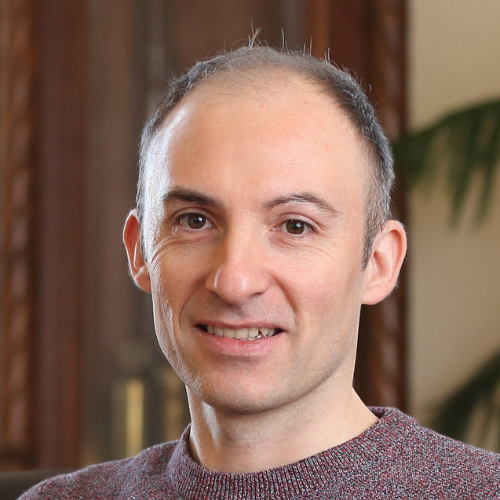
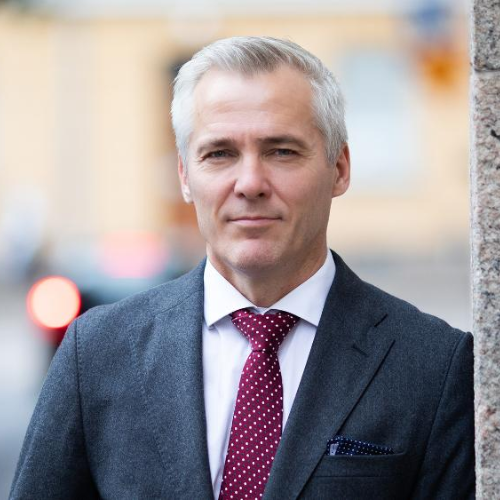
Anders Adlercreutz, Finland’s Minister of Education
Anders Adlercreutz (b. 1970) is Chair of the Swedish People’s Party of Finland since June 2024 and the current Minister of Education. He graduated as an architect from Helsinki University of Technology in 1999. Adlercreutz’s political career began when he was elected to Kirkkonummi Municipal Council in 2013, he served as Chair of the Council from 2017 to 2023. He has been a Member of Parliament since 2015 and served as Chair of SFP’s Parliamentary Group from 2019 to 2023. During the years in Parliament, Adlercreutz was a member of several Committees, eg. the Finance Committee, the Defence Committee, the Administration Committee, and the Environmental Committee. Before becoming Minister of Education he served as Minister of European Affairs and Ownership Steering for the first year of the Orpo Government, from June 2023 to June 2024. Minister Adlercreutz is married, has 5 children, is fluent in 7 languages and is an avid cello player in his free time.
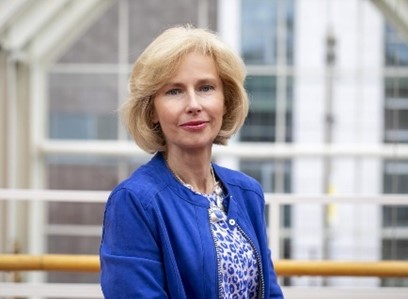
Doris Alexander,
Associate Director of European Engagement, Trinity College Dublin
Doris Alexander has worked in Research Management Administration since 1994, taking up her current post as Associate Director of European Engagement in 2019 and is responsible for the development of strategies of engagement, working to get early insight on new EU policy/initiatives so as to maximise the opportunity space for Trinity. She is currently engaged in the implementation of aspects of the ERA policy agenda.
She has been involved in several EC stakeholder groups including the co-creation of the European Universities initiative, is the co-director of CHARM-EU alliance in Trinity College and a member of the Executive Board. She was Chair of the R&I subgroup of the FOREU1 network (the network of the 17 European Universities alliances funded through the first Erasmus+ pilot call) and is currently chair of the R&I Topical Group (part of FOREU4ALL) for all alliances.
Doris holds a BA in Mathematical Science and an MSc in Computer Science (Health Informatics) from Trinity College Dublin.
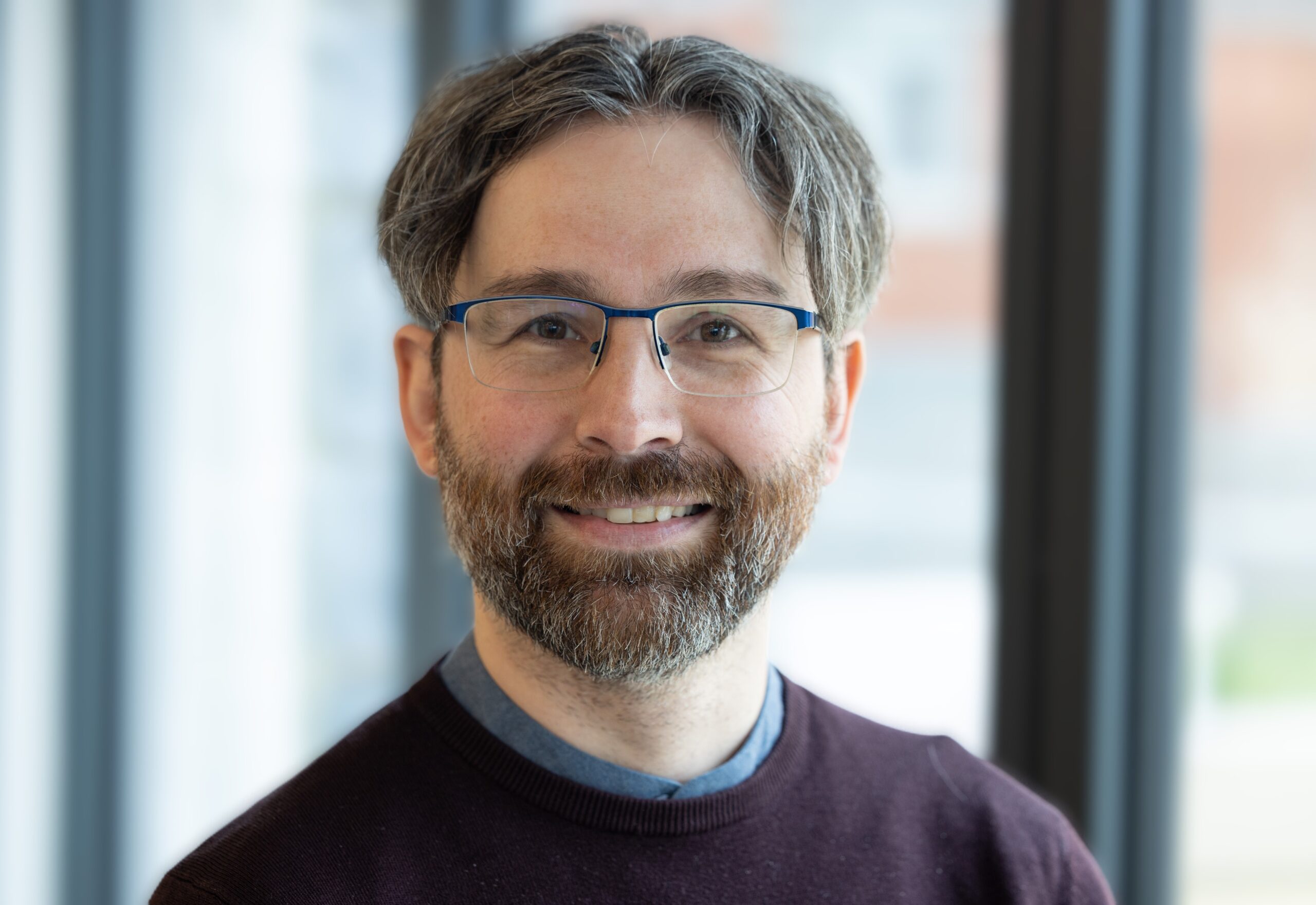
Jake Rowan Byrne
Co-Director of CHARM-EU and Assistant Professor in Contemporary Teaching and Learning at the School of Education, Trinity College Dublin
Dr. Jake Rowan Byrne is Co-Director of CHARM-EU and Assistant Professor in Contemporary Teaching and Learning at the School of Education, Trinity College Dublin. His research and practice focus on transdisciplinary education, challenge-based learning, innovative curriculum design, and the development of learner agency through collaborative educational approaches. As a member of CHARM-EU’s Knowledge Creating Teams (KCTs), he has helped design and deliver transnational educational experiences, including leading the development and initial delivery of the Transdisciplinary Research Module within the CHARM-EU Master’s in Global Challenges for Sustainability. He also serves as a lead facilitator within the KCT delivering the CHARM Doctoral Summer School, supporting doctoral researchers as they work in transdisciplinary teams to address complex societal challenges.
Jake’s work is grounded in the belief that education has long been a naturally transdisciplinary endeavour. Designing meaningful learning requires collaboration not only across academic disciplines but also with policymakers, school leaders, teachers, learners, families, communities, industry and civil society. His experience contributing to the development of Ireland’s national Leaving Certificate Computer Science curriculum exemplifies this approach, bringing together diverse stakeholders to co-create educational innovation. Through his research and leadership, Jake explores how distributed leadership, participatory design and collaborative knowledge creation can strengthen educational ecosystems and build the capacity needed to address the complex challenges facing society.
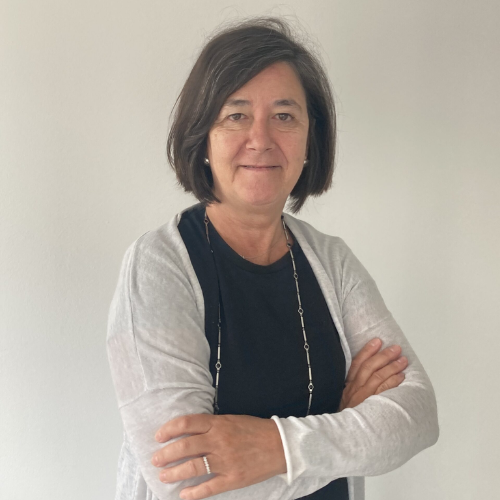
Sonia Cantel
Associate Professor at the Institute of Biomolecules Max Mousseron (IBMM), University of Montpellier (UM)
Sonia Cantel is an Associate Professor at the Institute of Biomolecules Max Mousseron (IBMM), University of Montpellier (UM), where her research lies at the interface of Chemistry, Biology and Analytical Sciences. Strongly committed to bridging teaching and research, she promotes transdisciplinary and challenge-based learning approaches. Within CHARM-EU, jointly with Utrecht University, she has developped and coordinates the interdisciplinary Master’s module “Tackling Health Challenges in Internationally Linked Research Hubs ”, bringing together students from diverse disciplines, universities and countries around authentic health challenges. She is actively involved in WP “External Stakeholders & Sustainability ”, contributing to the development of approaches fostering sustainable collaboration between education, research, innovation and external stakeholders across the CHARM-EU Alliance.

Meritxell Chaves
Secretary General of European University of CHARM-EU
Meritxell Chaves has more than thirty years of experience in the higher education sector, in four universities of the Catalan university system, in different functional areas of the University such as academic management, strategic planning, quality and accreditation, and international relations in different organisational cultures.
As Secretary General of European University of CHARM-EU since the start of the initiative in 2019 she has been leading CHARM-EU team.
Malin Fredriksson
Leading Coordinator for Open Science at Åbo Akademi University
Malin Fredriksson (MSocSc, MA) works as the Leading Coordinator for Open Science at Åbo Akademi University. She has several years of experience in the library and university sector, with a strong focus on advancing open science and responsible research practices. Her work centers on supporting researchers through open science policies, services, training, and the development of inclusive approaches to openness in research. Her academic background is in information studies, with a particular interest in open access publishing and the implementation of open science practices. She also has a background in the humanities, particularly the study of religions and cultures.
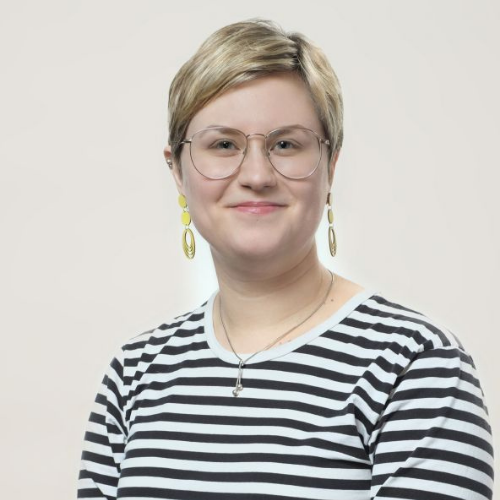
Anikó Gál Bélteki
CHARM-EU Manager at ELTE
Anikó Gál Bélteki is acting as CHARM-EU project manager at the Eötvös Loránd University, Budapest. She has already been involved in the alliance’s R&I dimension project TORCH and now focuses her efforts on the smooth running of the CHARM-EIGHT project. Holding a degree in agricultural and environmental sciences and being a qualified translator, she has gained work experience in an international environment from multinational companies through projects of universities and conservation NGOs affiliated to global networks. Due to her diverse administrative and coordinator roles she regularly participates in the meetings of various governing boards and offices of CHARM European University and provides assistance for some work packages, which means being in daily work contact with the representatives of partner institutions.
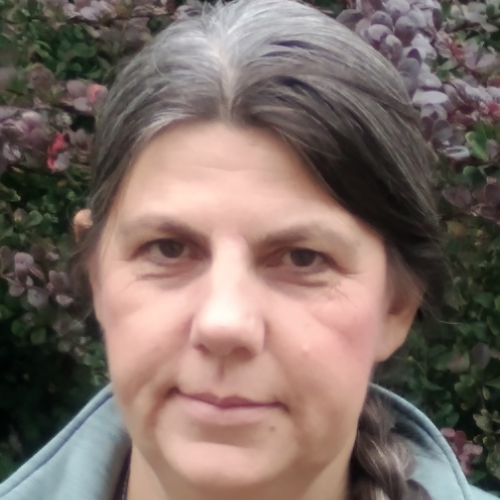
Kimmo Grönlund
Professor of Political Science and Director of the Social Science Research Institute at Åbo Akademi University
Kimmo Grönlund is Professor of Political Science and Director of the Social Science Research Institute at Åbo Akademi University. Currently, he is also member of the Board of Åbo Akademi University. His research interests include democratic innovations, public opinion, and electoral behavior. He has published widely, especially on controlled experiments with deliberative mini-publics in journals such as Political Behavior, International Political Science Review and Scandinavian Political Studies. He is the Director of the Finnish Research Infrastructure for Public Opinion FIRIPO and the research consortium STRONG – Implementing democratic innovations, funded by the Strategic Research Council at the Research Council of Finland (2024–2030). Moreover, he is a widely used expert commentator on politics in Finland, and he has been the electoral commentator of the largest Finnish commercial TV channel MTV3 since 2006.
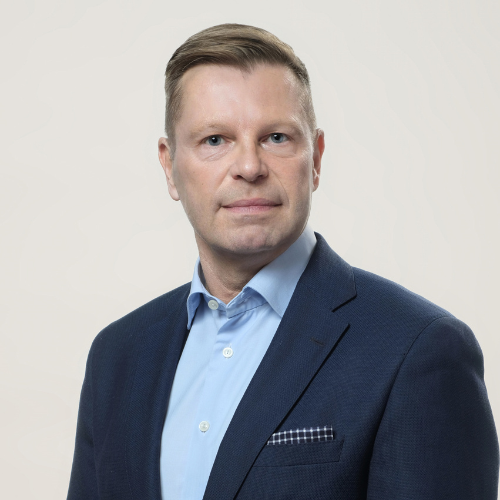
Maria Hämäläinen
CHARM-EU MSc in Global Challenges for Sustainability alumna
Maria Hämäläinen is a recent graduate of the CHARM-EU MSc in Global Challenges for Sustainability. Over two years, her studies took her from Utrecht to Barcelona and Montpellier, where she specialised in the Food track. Her work focused on agrifood transitions, Mediterranean food systems, and the social dimensions of sustainability, culminating in a Capstone thesis on the social acceptance of seaweed cultivation in the Thau Lagoon.
Prior to joining CHARM-EU, Maria completed a BSc in Sustainable Urban Planning at Tampere University, Finland, where her research explored gender mainstreaming through participatory urban planning processes. This experience sparked her long-standing interest in the governance and community dimensions of sustainability. Beyond academia, she has been actively involved in climate justice initiatives and is currently volunteering with a Ghana-based non-profit organisation working at the intersection of gender equity and climate action. She is also contributing to a research project on inclusive energy governance through the YES-Europe Africa-Europe collaboration programme.

Barbara Hegyi
economist with a PhD in Regional Sciences
Barbara Hegyi is an economist, with a PhD in Regional Sciences. She coordinates the Innovation and Entrepreneurship Education at ELTE Faculty of Informatics. Designer and implementer of several courses that embrace sustainability and social responsibility. Coordinates the REDINEST Impact Labs programme at an international level.
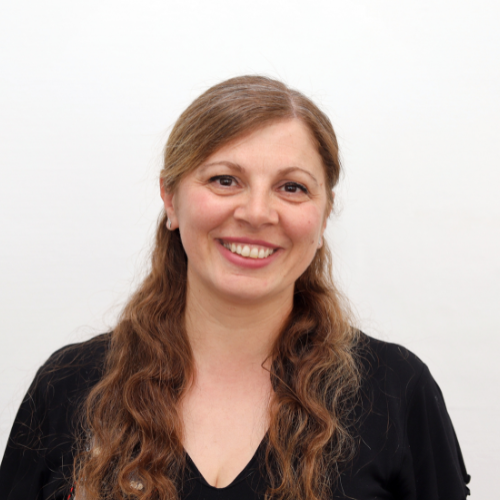
Maria Kelo
Director of Institutional Development at European University Association (EUA)
Maria Kelo is Director of Institutional Development at European University Association (EUA). The unit’s work focuses on recognition, quality assurance, rankings, and learning and teaching, including the European Degree. She is a member of the Swiss Accreditation Council, vice-president of the European Quality Assurance Register, and co-represents EUA in the Bologna Process.
Before joining EUA in 2022, Maria was the Director of the European Association for Quality Assurance in Higher Education, and previously worked in different European organisations in higher education.
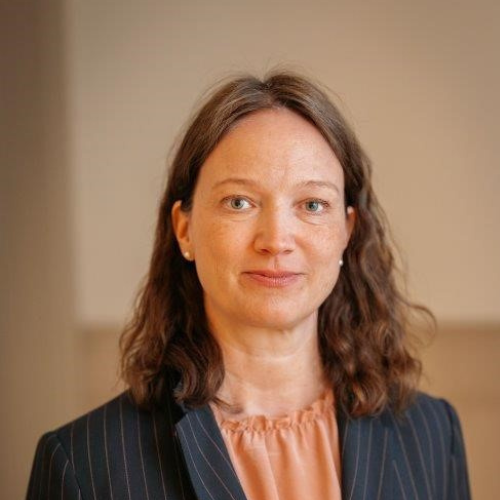
Vilppu Kuusipalo, project coordinator at the Finnish Research Infrastructure for Public Opinion (FIRIPO)
Vilppu Kuusipalo works as a project coordinator at the Finnish Research Infrastructure for Public Opinion (FIRIPO), which operates the two deliberation laboratories at Åbo Akademi University. Vilppu is responsible for the day-to-day activities at FIRIPO, such as making sure that the laboratories function efficiently, coordinating research-related activities, supporting visiting researchers, and maintaining the infrastructure needed for high-quality public opinion and deliberation studies.
In his role, Vilppu works closely with researchers and other project partners to facilitate the planning and implementation of experiments, surveys, and events. He also contributes to the development and promotion of FIRIPO’s services, helping researchers make use of innovative methods and facilities for studying public opinion, citizen participation, and democratic processes.
Vilppu’s background is in humanities, and he is interested in various aspects of societies, cultures and human interaction.
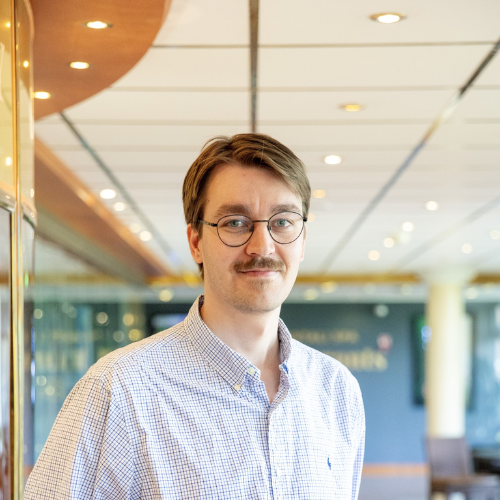
Marvin Mendy
Strategic Partnerships Officer at the University of Montpellier
Marvin Mendy is Strategic Partnerships Officer at the University of Montpellier and leads Work Package 14 (Worldwide Academic Partnership Network). Over the past eight years, he has worked at the intersection of international relations, diplomacy and project management across the higher education, public and private sectors. His expertise includes the design and implementation of international cooperation strategies, institutional partnerships and multi-stakeholder initiatives.
Within CHARM-EU, Marvin is responsible for developing long-term partnerships beyond Europe and advancing the Alliance’s global engagement strategy, particularly with Africa and other strategic regions. His work focuses on building sustainable international cooperation frameworks that connect higher education, research and societal stakeholders.

Christoph Mohamad-Klotzbach
Political Scientist at the Institute of Political Science and Sociology at the JMU Würzburg
Dr. Christoph Mohamad-Klotzbach is a Political Scientist at the Institute of Political Science and Sociology at the JMU Würzburg. His research focuses on democracy and democratization, scientific concepts, political culture, statehood, political parties, environmental health and sustainability. He is currently part of the EU-funded interdisciplinary research project MARKOPOLO, which is attached to the Professorship of Social Science Sustainability Studies, and studies knowledge transfer in environmental health.
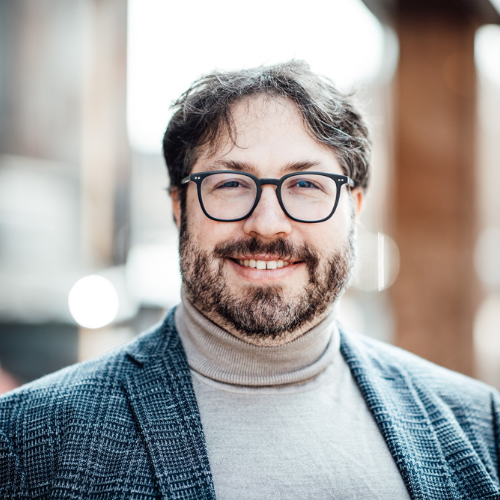
Nelli Piehl
CHARM-EU alumna and Teaching & Project Assistant at Åbo Akademi
Nelli Piehl is a CHARM-EU alumna and Teaching and Project Assistant at Åbo Akademi, where she also supports CHARM-EU’s Diversity, Equity and Inclusion work. She is an early-career socio-ecological researcher with a particular interest in participatory approaches and equity and inclusion across international contexts.
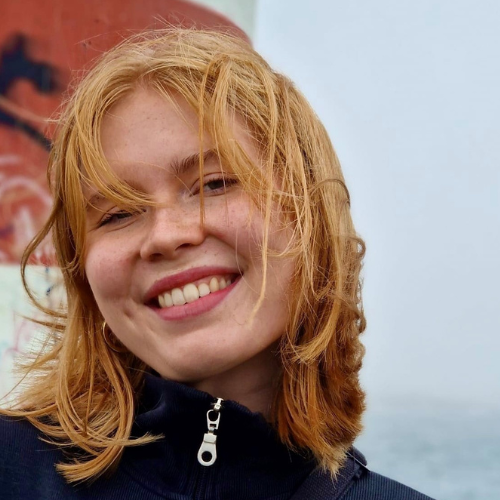
Phoebe Sacares
CHARM-EU MSc in Global Challenges for Sustainability alumna
Phoebe Sacares is a graduate of the CHARM-EU MSc in Global Challenges for Sustainability, having studied in Barcelona and Montpellier over two years of transdisciplinary learning and research. Specialising in the Water track, her work focused on a range of water-related sustainability challenges, including supporting livelihoods amid aquatic ecosystem disruption in East Africa, developing water-efficient infrastructure in Dublin, and addressing drought resilience in Catalonia. These experiences sparked a strong interest in tackling water-related sustainability issues.
Prior to joining CHARM-EU, she completed a BSc in Physics and Astrophysics at the University of York (UK). With a keen interest in applying science, data analysis, and mapping to environmental challenges, she is pursuing a career at the intersection of sustainability and evidence-based decision-making. She is currently volunteering with the London Wildlife Trust, contributing to practical conservation projects and gaining first-hand insight into the importance of community engagement in translating global climate goals into local action.
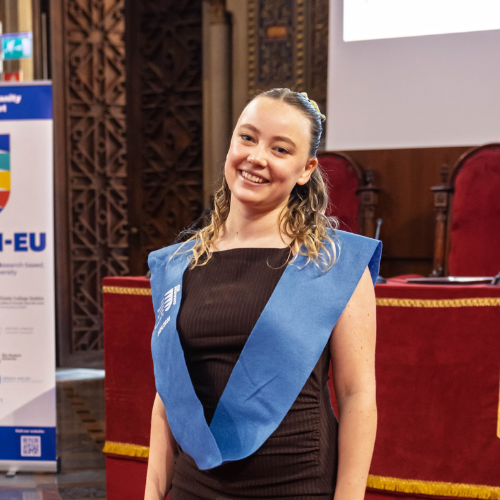
Nina Shiel
Responsible Research & Innovation Specialist for CHARM-EU at Trinity College Dublin
Dr Nina Shiel (she/they) is Responsible Research & Innovation Specialist for CHARM-EU, based at Trinity College Dublin. With a PhD in Comparative Literature focusing on immersive virtual spaces, and over a decade of experience in research development and European R&I strategy across leading Irish and UK universities, her professional interests include inter/transdisciplinary research, research culture, and intersectional equality, diversity and inclusion. Her work as the leader of two work packages in the Horizon 2020 Science with and for Society (SwafS)-funded TORCH project, developing CHARM-EU’s shared research and innovation agenda, was recognised with the Trinity Research Excellence Award in 2023. She is committed to fostering inclusive, challenge-driven research and international collaboration.
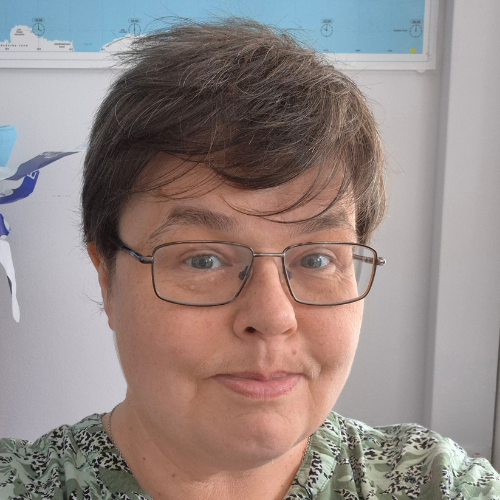
Martin Meggele Sjøen
Professor of Educational Studies at the Institute of Education at the University of Bergen
Dr. Martin Meggele Sjøen is a Professor of Educational Studies at the Institute of Education at the University of Bergen. He holds a Ph.D. in Security Studies from the University of Stavanger. Dr. Sjøen’s research explores democracy, education, political violence and peacebuilding, with a specific focus on the intersection of education and security.
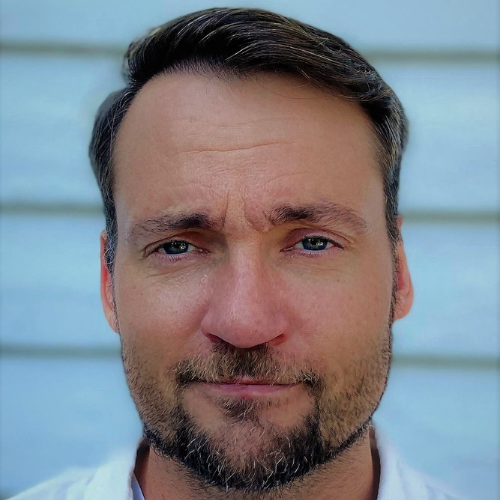
Karl Stoeckel
Executive Director of the CIVIS European University Alliance
Karl Stoeckel is Executive Director of the CIVIS European University Alliance, coordinated by Aix-Marseille University, where he leads the alliance’s coordination team and supports its governance, strategic development and long-term sustainability. CIVIS brings together 17 universities across Europe and Africa, representing more than 500,000 students and 80,000 academic and professional staff.
With over 15 years of experience in European research, innovation and higher education policy, Karl has worked extensively on European strategy, institutional relations, science diplomacy, international partnerships and the development and management of EU-funded projects. He previously represented Aix-Marseille University in Brussels, working with the European Commission, the European Parliament, Member States’ Permanent Representations and European research and innovation stakeholders.
His experience also includes senior responsibilities at the French National Research Institute for Development (IRD), where he contributed to European strategy and Horizon Europe programming, and teaching European research and innovation policy at Paris 1 Panthéon-Sorbonne. He is particularly interested in building sustainable, place-based partnerships and in strengthening cooperation between universities, research organisations and European and international stakeholders.
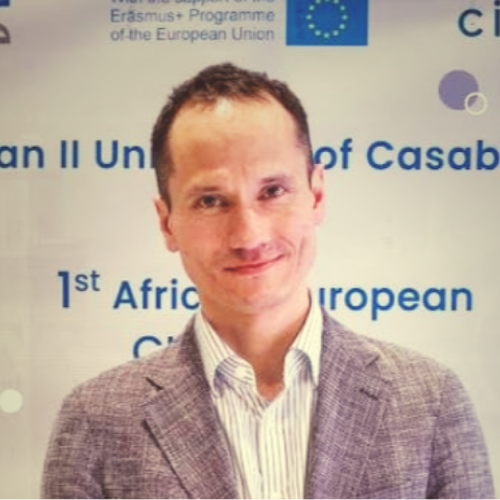
Roger Strand
Professor at the University of Bergen, Norway
Roger Strand is Professor at the University of Bergen, Norway. His research focuses on the governance of science, technology, and innovation, with particular attention to complexity, uncertainty, and sustainability. He works at the intersection of philosophy, science and technology studies, and policy-oriented research, contributing to the development of frameworks for responsible research and innovation (RRI). A record of his scholarly publications is found at https://orcid.org/0000-0001-6159-1586.
Strand has been involved in a range of European and international projects addressing the role of expertise, interdisciplinary collaboration, and societal engagement in research and innovation. His work includes contributions to environmental governance, sustainability transitions, and science-policy interfaces. He is the Co-Director of the non-profit NGO called the European Centre for Governance in Complexity (www.ecgc.eu).
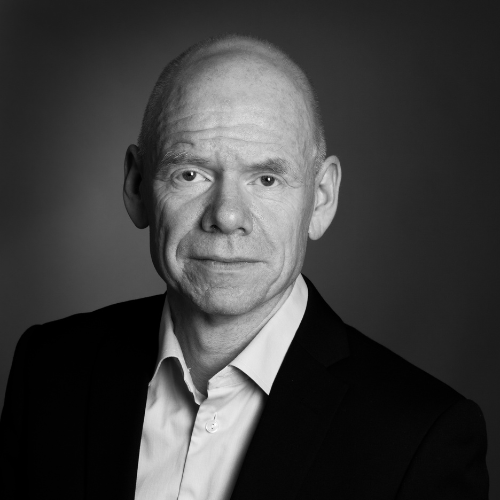
Ferenc Takó
Member of the CHARM-EU Executive Board, CHARM-EU Director and Head of the Rector’s Cabinet CHARM-EU Office, Eötvös Loránd University (ELTE)
Ferenc Takó studied Philosophy and Japanese Studies at Eötvös Loránd University (ELTE), Budapest, Hungary, where he currently lectures at the Department of Japanese Studies. He used to be head of the Rector’s Cabinet International Strategy Office at ELTE between 2018 and 2021. Since 2021, he is head of the Rector’s Cabinet CHARM-EU Office and ELTE Executive Director of CHARM-EU.
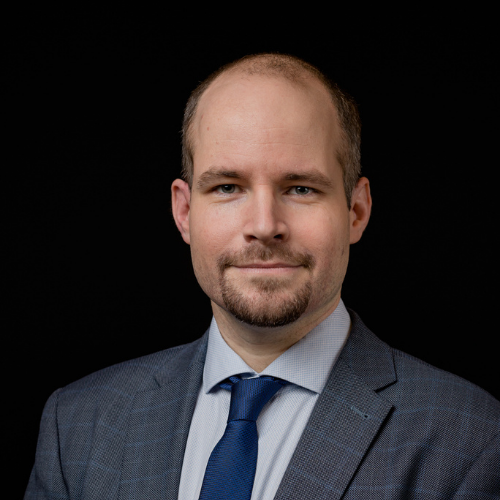
Roland Thaler
Lecturer in environmental & spatial planning at University of montpellier
Roland Thaler is a Lecturer in Environmental and Spatial Planning at the University of Montpellier. He began his career in environmental education in the 1990s before moving into consultancy and founding the survey company Ecovia in 2005 (www.ecovia.fr).
Throughout his career, he has taught both university students and professionals, developing expertise in innovative learning methodologies, as the Challenge-Based Learning approach.
Coming from continuing education, he is a strong advocate of lifelong learning. This commitment led him to join the Continuing Education Department of the University of Montpellier as a Project Officer, where he designs training programs, including initiatives implemented in collaboration with CHARM-EU.
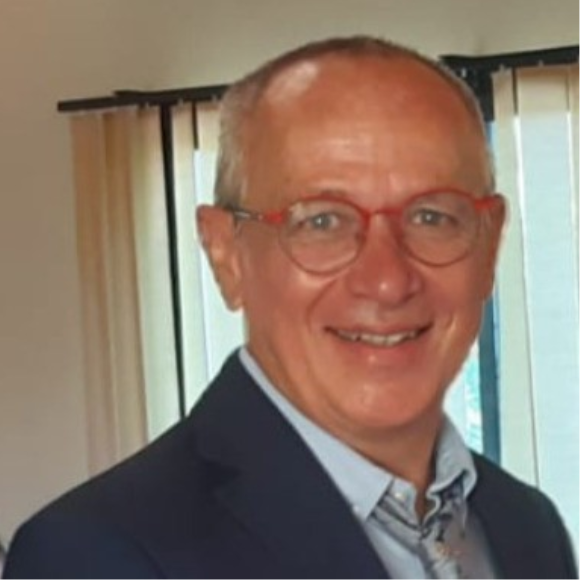
Ádám Tóth
Researcher at the Copernicus Institute of Sustainable Development at Utrecht University.
Ádám Tóth is a researcher in (ground)water, sustainability and education innovation at the Copernicus Institute of Sustainable Development at Utrecht University. Ádám is the co-lead of the educational practice work package of the CHARM-EIGHT project. He is involved in updating the existing master’s programme in Global Challenges for Sustainability, exploring educational opportunities for a broader audience to develop knowledge, including a strategy for micro-credentials, badges, and continuing education, as well as a team-based, transdisciplinary joint CHARM-EU Doctoral programme.
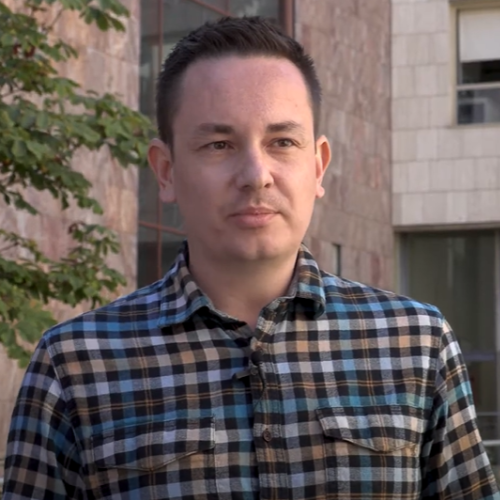
Dr. Annisa Triyanti
Assistant Professor, Disaster and Climate Risk Governance for Sustainability, at Utrecht University
Dr. Annisa Triyanti is an Assistant Professor of Disaster and Climate Risk Governance for Sustainability at Utrecht University. Born in Indonesia, she earned her PhD from the University of Amsterdam. Her research connects grassroots practices with global policy, focusing on community self-governance and mangrove ecosystem-based disaster risk reduction in Asia. In her teaching, she emphasizes public engagement and promotes the role of European University Alliances in addressing societal challenges. Serving as Academic Director of CHARM-EU for Utrecht University, she supports collaborative, cross-boundary education. For three consecutive years, she has also coordinated the Capstone module for the CHARM-EU Master’s in Global Challenges for Sustainability, a transdisciplinary program where students conduct research alongside external stakeholders to tackle real-world issues. Beyond her academic roles, Dr. Triyanti has engaged in intergovernmental policy dialogues on climate change and sustainable development since 2014. As part of this work, she represented young scientists in the Global Science and Technology Advisory Group for the UN Office for Disaster Risk Reduction (UNDRR) from 2017 to 2019.
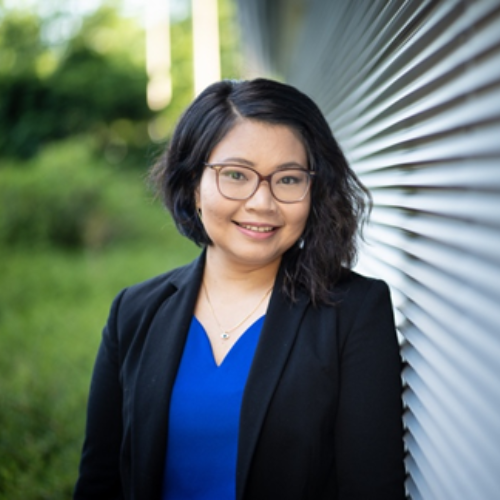
Oriol Uviedo
Laboratory and project technician, specialized in microplastics and citizen science
Ever since my childhood, I have known that I wanted to pursue a career related to the ocean, and that has indeed been the case. In 2020, I graduated with a degree in Marine Sciences from the University of Barcelona (UB), and I currently serve as a laboratory and project technician, specialized in microplastics and citizen science. One of the principal initiatives I lead is the ‘Surfing For Science’ project, which has a well-defined objective: to quantify and characterize microplastics in the coastal areas of the western Mediterranean through citizen science. In this manner, we generate scientific knowledge while simultaneously raising awareness about the critical issue of plastic pollution in our seas and oceans.
Utilizing the methodology developed in ‘Surfing For Science’, we initiated the TRAP project. While sharing the same core objectives, this initiative expands the scope of research to rivers, combined sewer overflows (CSOs), and the open sea in order to analyse the transport and exchange of particles across these diverse systems. Furthermore, I have participated in the OSES project (Ocean Sustainability Through Education and Sport), where we developed best-practice manuals and fieldwork kits designed to enable marine recreational users, as sailors, divers or surfers, to collect reliable scientific data. Through these efforts, our ultimate goal is to foster public awareness regarding the anthropogenic threats and impacts currently facing our marine ecosystems.
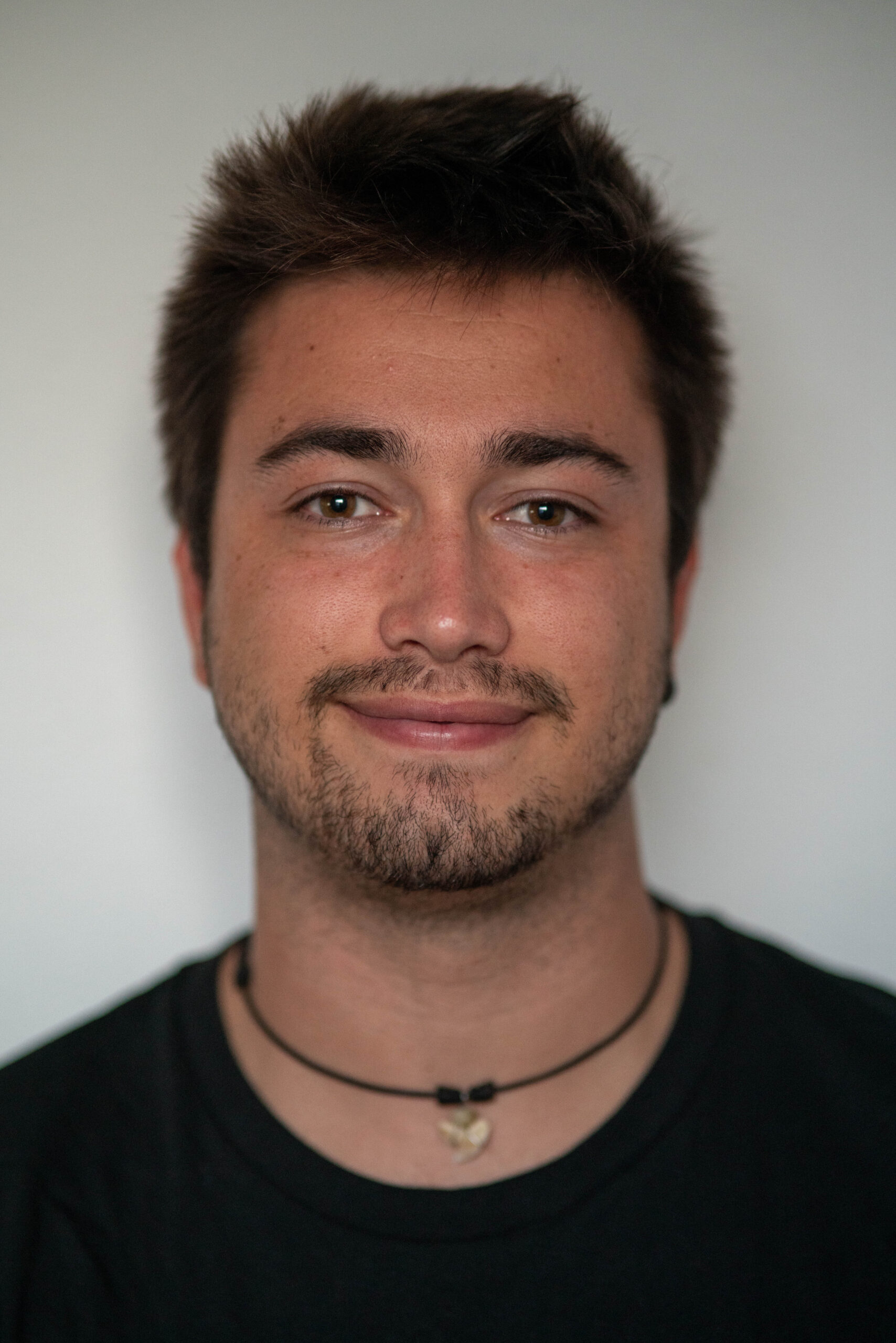
Isak Vento
Senior University Lecturer
PhD Isak Vento is Senior University Lecturer in political science and methods at Åbo Akademi University. His research focuses on political attitudes and behavior.

Mireia Via
Research Support Technician at CHARM-EU
Mireia Via obtained her PhD in Theoretical Chemistry and Computational Modelling from the University of the Basque Country (UPV/EHU). After that, she left academia aside but not the world of research entirely. Since then, she has dedicated her career to supporting research, working as a support technician in a chemistry research group at the University of Barcelona (UB), and at the UB’s International Research Projects Office. She has also been an adjunct lecturer at the UB, teaching practical classes on the Biology and Chemistry bachelor’s degree programmes. She currently supports the research and innovation dimension of the CHARM-EU alliance.
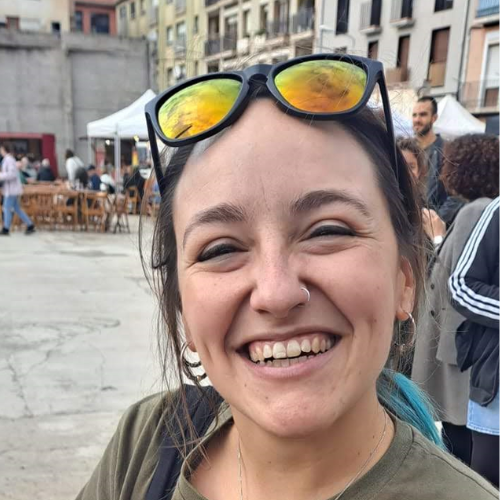
Lena Wassermann
Advisor to the Vice President for Internationalisation at the University of Würzburg and supports the university’s strategic engagement within the CHARM-EU Alliance
Dr. Lena Wassermann is Advisor to the Vice President for Internationalisation at the University of Würzburg and supports the university’s strategic engagement within the CHARM-EU Alliance. Her work focuses on European university cooperation, internationalisation strategies, and cross-institutional collaboration. Drawing on experience in academia, policy, and international partnerships, she is particularly interested in how universities can work together to address shared societal challenges and foster innovation in higher education.
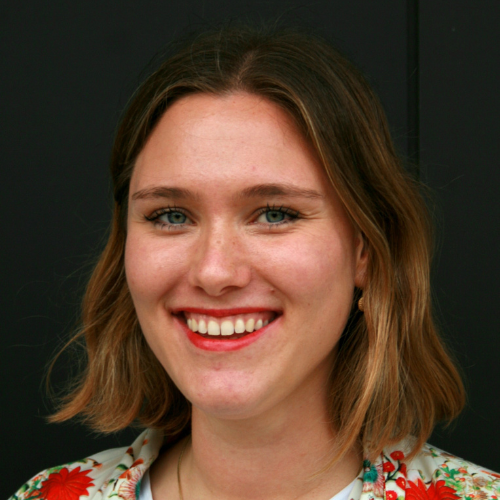
Gunilla Widén
Professor of Information Studies at Åbo Akademi University (ÅAU) since 2008
Gunilla Widén is Professor of Information Studies at Åbo Akademi University (ÅAU) since 2008. Her research focuses on information behaviour, knowledge management, and trust in information. She has led several large research projects, e.g. on organizational key skills in information society, the role of social media in libraries, the importance of information literacy in various contexts such as workplaces and in migration.
Widén has been involved in European projects on youth information, and in Nordic library research, e.g. on cultural policy decision-making, the case of Helsinki Central Libary Oodi. She has been involved in several collaborative networks both nationally and internationally, appointed as external expert in different evaluation committees, and published widely in her areas of expertise.
She has long organizational experience at ÅAU, recently she has been Vice-Rector for Education 2022-25, and served as Acting Rector from April 2025 until she was appointed as Rector in January 2026.
information about Turku
Venue Information
CHARM-EU ANNUAL CONFERENCE 2026 at Åbo Akademi University
Åbo (Turku in Finnish) 14 October 2026
VENUE FOR THE MEETING
Astra, Porthansgatan 3, 20500 Åbo
Room: Bonfire
General Information about Turku
Turku (in Finnish)/Åbo (in Swedish) is vibrant city of 200,000 inhabitants and the sixth largest city in Finland after Helsinki, Espoo, Tampere, Vantaa and Oulu. Finland having two main official languages, Turku/Åbo is officially bilingual and 5,2 percent of its population identify Swedish as their mother-tongue.
Åbo Akademi University is the only Swedish-language multidisciplinary academic university in Finland. The campus is located in the old city centre, at a walking distance from the hotels listed in this document.
When speaking about the city in English, the Finnish name Turku is usually used, as the majority of the inhabitants are Finnish-speaking. You will however see most names of streets in both languages, so remember this when you are wondering about two very different street names/addresses indicating the same location!
Turku is the oldest city in Finland and the former capital of the country and will celebrate its 800th anniversary in 2029. Located on the seaside of Southwest Finland, Turku is a regional hub for education, culture and business and the third biggest urban area in Finland. Students make up a fifth of the city’s population.
Travel to Turku
BY AIR ALL THE WAY TO TURKU
Turku Airport is eight kilometres/30-minutes by local bus (line 1)/15 minutes by taxi from the city centre. If you can find a reasonable flight to Turku Airport (TKU), it is the most convenient option. (If your arrival time to Turku Airport is after the last bus and there is no taxi to be found, you can order one by using the service phone which is located near the exit on the arrivals level of the terminal).
The air companies operating in Turku are:
- o Finnair (through Helsinki-Vantaa Airport and Stockholm Arlanda)
- o SAS (through Copenhagen Kastrup and Stockholm Arlanda)
- o Air Baltic (through Riga)
- o WizzAir (through Vilnius, Gdańsk and Bucharest)
BY AIR THROUGH HELSINKI OR STOCKHOLM
Many airlines operate flights to Helsinki Airport, e.g. Finnair. From Helsinki-Vantaa Airport (HEL) you can take a bus or train to Turku. Turku–Helsinki is 166 km; the bus or train will take you about 2,5 hrs.
- – Bus connection from Helsinki–Vantaa Airport (Matkahuolto)
Your end station would be “Turku Tuomiokirkko” or “Turku linja-autoasema = Turku bus station”.
- – Train connection from Helsinki–Vantaa Airport (VR), with a transfer in Pasila.
Your end train station when arriving from Helsinki is “Kupittaa (Turku)” or the main station “Turku (City Centre, Logomo)”.
BY FERRY THROUGH STOCKHOLM
From Stockholm there is a night ferry to Turku. You sleep on the ferry and arrive in the Port of Turku the next morning. The ferries are operated by Viking Line and Silja Line.
Moving Around in Turku
Central Turku is quite small and easiest to get around on foot. Turku is easy to navigate also on bike or electric scooter. Föli offers city bikes and e.g. Voi, Dott and Ryde operate electric scooters.
There is an extensive local bus network (going all the way to our nearest National Park). Bus tickets cost ca. 3-4€ and can be purchased beforehand in an app or by card (contactless payment) on the bus. For timetables and bus stops, please see here. The bus stop nearest the ÅAU campus, by the Cathedral is called “Tuomiokirkkotori” and the bus stops closest to the city centre are all called “Kauppatori” (there are several around the Market square). Buses do not automatically stop at every stop. Passengers wanting to get on board must wave their hand.
Q&A on Travelling
Do you recommend the train or the bus from HEL?
This will depend on where your hotel is located. If in the city centre, the bus is better. But if staying next to the train station (Sokos Hotel Kupittaa), the train may be more convenient.
There are buses and taxis outside the station, so you will easily get into town, but taking the bus at the airport will take you closer to the city centre directly.
The bus stop for the bus taking you from Helsinki to Turku that is closest to your hotel will probably be at the Cathedral (Tuomiokirkko), but you can also go until the bus station, which is not far either.
How much time is needed between my arrival at the airport and taking the train or bus?
If the flight is on time and you are travelling light, with hand-luggage only, 30-40 minutes will be enough for you to catch both options. Check the information and follow the signs.
The bus/train schedule says there is a transfer/connection, will I manage?
Yes!
For the train, there will be a transfer from the commuter train to the intercity train in Pasila, which is 25 minutes from the airport. The platforms are side by side, so it takes only a few minutes to change trains.
For the bus, if there is a transfer (rare occurrence), the first bus will take you to the second bus and not leave before the second bus is there. The transfer is 20-25 minutes after the departure from the airport.
Should I buy my ticket in advance for the day when I arrive in Finland?
It is a good idea to buy it in advance; the tickets are usually cheaper when bought in advance. On the other hand, if your flight is delayed, you will lose the ticket. You could also wait until you land and buy the ticket online, on your mobile phone (see the links provided above), when exiting the aircraft or while waiting for the train. And if you notice the bus/train is full when buying the ticket, maybe you can take another option instead.
For the bus, you can also buy the ticket from the bus driver. For the train, there is a ticket machine on the platform.
How about the day when I leave Finland, should I buy my bus/train ticket already now?
You can buy it already before arrival.
Hotels in Turku
Participants are responsible for finding and booking their own accommodation. For some hotels there is a special rate, which is mentioned for every hotel separately.
Closest to ÅAU (ca 10 min walk)
- Scandic Julia https://www.scandichotels.fi/hotellit/suomi/turku/scandic-julia (500 m to the campus)
- We are happy to offer your guests a discount on room reservations at Scandic Julia, Scandic Hamburger Börs, Scandic Plaza Turku and Scandic Go, Eerikinkatu 30. Reservations can be easily made through the following link: BOOK WITH SCANDIC, booking code CGRO. Through the link, guests can directly book rooms at a discounted rate.
- Guests can choose their preferred room type and receive an additional discount when paying for the reservation upon booking. The cancellation policy for individual bookings depends on the booking type chosen by the guest. To confirm the reservation, guests must provide valid credit card information. Rooms are subject to availability and should be booked 10 days before arrival at the latest.
- Scandic Friends members should also check for available loyalty offers.
- Centro Hotel https://centrohotel.com/ (600 m to the campus)
- Use booking code: CHARM-EU for reduced rate on the rooms. Single room 112EUR/night, Double room 132EUR/night – including breakfast. Book directly with the Centro Hotel. Limited availability.
- Scandic Hamburger Börs https://www.scandichotels.com/en/hotels/scandic-hamburger-bors (700 m to the campus)
- Use the booking code CGRO for discounted rates: https://www.scandichotels.com/en?bookingcode=CGRO
- Sokos Hotel Wiklund https://www.sokoshotels.fi/hotellit/turku/original-sokos-hotel-wiklund (700 m to the campus)
- Bob W Turku City Centre https://bobw.co/locations/turku
- Omena Hotelli Kauppiaskatu https://www.omenahotels.com/fi/hotellit/turku-kauppiaskatu/
- Ineon Hotel https://ineon.fi/en
City Center (10+ min walk)
- Scandic Hotel Plaza https://www.scandichotels.fi/hotellit/suomi/turku/scandic-plaza-turku
- Use the booking code CGRO for discounted rates: https://www.scandichotels.com/en?bookingcode=CGRO
- Helmi Hotelli https://www.hotellihelmi.fi/en-gb/home
- Use booking code: CHARM-EU for reduced rate on the rooms. Single room 89EUR/night, Double room 119EUR/night – including breakfast. Book directly with the Helmi Hotelli. Limited availability.
- Sokos Hotel Turun Seurahuone https://www.sokoshotels.fi/hotellit/turku/solo-sokos-hotel-turun-seurahuone
- Scandic Go, Eerikinkatu 30 https://www.scandichotels.com/fi/hotellit/scandic-go-eerikinkatu-30
- Use the booking code CGRO for discounted rates: https://www.scandichotels.com/en?bookingcode=CGRO
- Omena Hotelli Humalistonkatu https://www.omenahotels.com/fi/hotellit/turku-humalistonkatu/
- Forenum Aparthotels https://www.forenom.com/aparthotels/turku/
- Sokos Hotel Kupittaa https://www.sokoshotels.fi/en/hotels/turku/original-sokos-hotel-kupittaa (next to the Kupittaa train station, not in the centre, 1.2 kms to campus)
- Use booking code: BCHARMEU for reduced rate on the rooms. Single room 105EUR/night, Double room 125EUR/night – including breakfast and sauna. Book directly with Sokos Hotel Kupittaa. Limited availability, discounted rates until September 11.
Other Practical Information
The eduroam WiFi is available throughout the whole campus; you can access it using your home university login.
Finland uses the euro. Cards are widely used and notes larger than 50 € may not be accepted everywhere. Contactless payment with cards is common. Some places are cash-free.
In October, it might still be relatively warm during the daytime but the weather can be unpredictable (prepare for rain) and evenings are colder. Daytime temperatures are 10 degrees and nighttime temperatures 5 degrees on average in southern Finland and the sun rises at 8 am and sets after 6 pm in October.
Please note that some restaurants and most museums are closed on Mondays. Often kitchens close in restaurants around 9 or 10 pm. Some restaurants may have longer service hours during the weekends.
To Do in Turku
- Campus walk (ÅAU Main building, Sibelius Museum, Juridicum, Arken, Aurum, Astra)
- The history of ÅAU’s buildings: Åbo Akademi University Foundation
- Walk by the river (3,5 kms between the ÅAU campus and Turku Castle)
- Turku Cathedral (closed for renovations) and AboaVetus (medieval Turku)
- Art museum
- Turku Market Hall (Kauppahalli / Saluhallen)
- Kakola area: shop, brewery, spa and restaurants in former prison and prison area
- Hansa shopping centre for Marimekko, Iittala and Finnish souvenirs
- Kui at Kristiinankatu for more local souvenirs
- Sauna and swimming
- For more information, please see Visit Turku
Questions?
Pia le Grand, CHARM-EU Manager, pia.legrand@abo.fi, +358 50 321 1400
Harriet Klåvus, CHARM-EU Manager, harriet.klavus@abo.fi, +358 46 921 6130
Matias Dahlbäck, WP17, matias.dahlback@abo.fi, +358 50 475 1515
Sara Joas, WP6, sara.joas@abo.fi, +358 50 465 3965