How can we connect with younger people in order to share the knowledge of our researchers and experts? We must confront, challenge, or amaze!
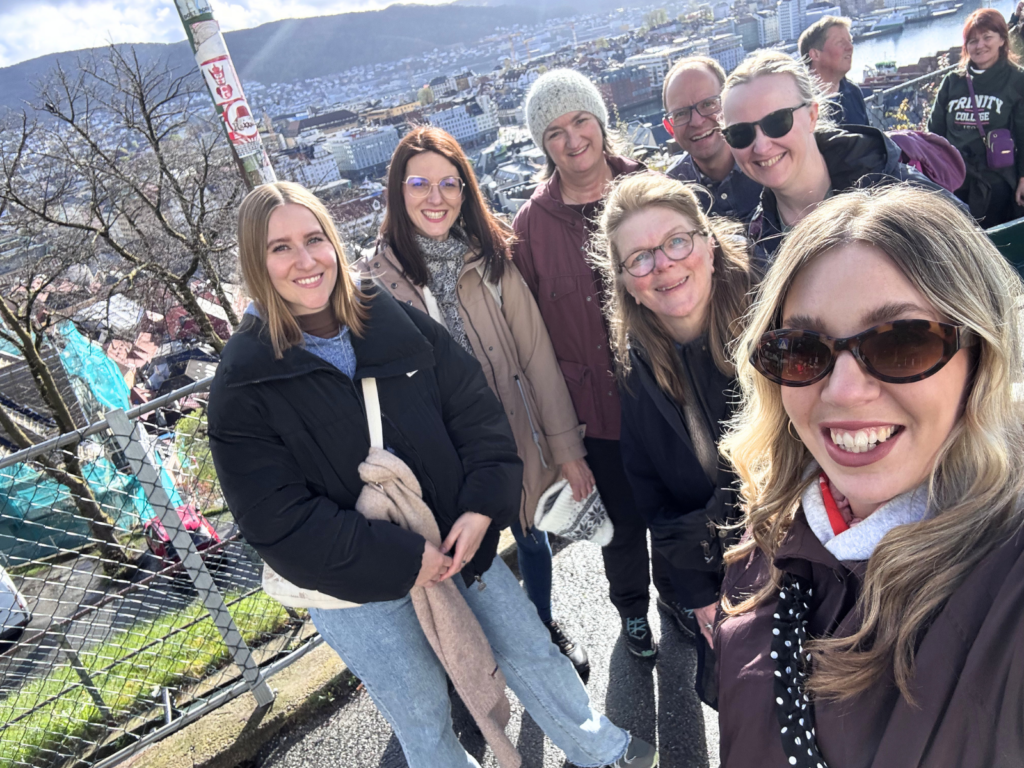
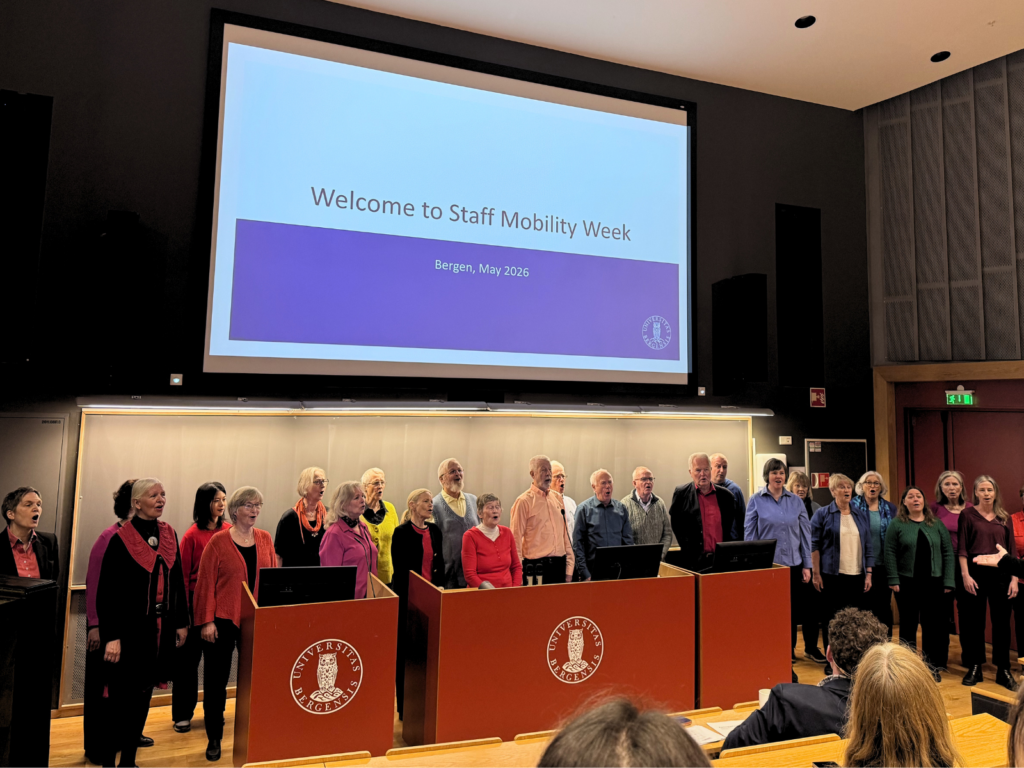
Wise words and a reframing from a new friend and colleague, Sylvia and just one insight of many that I took away from my time at the University of Bergen staff mobility week.
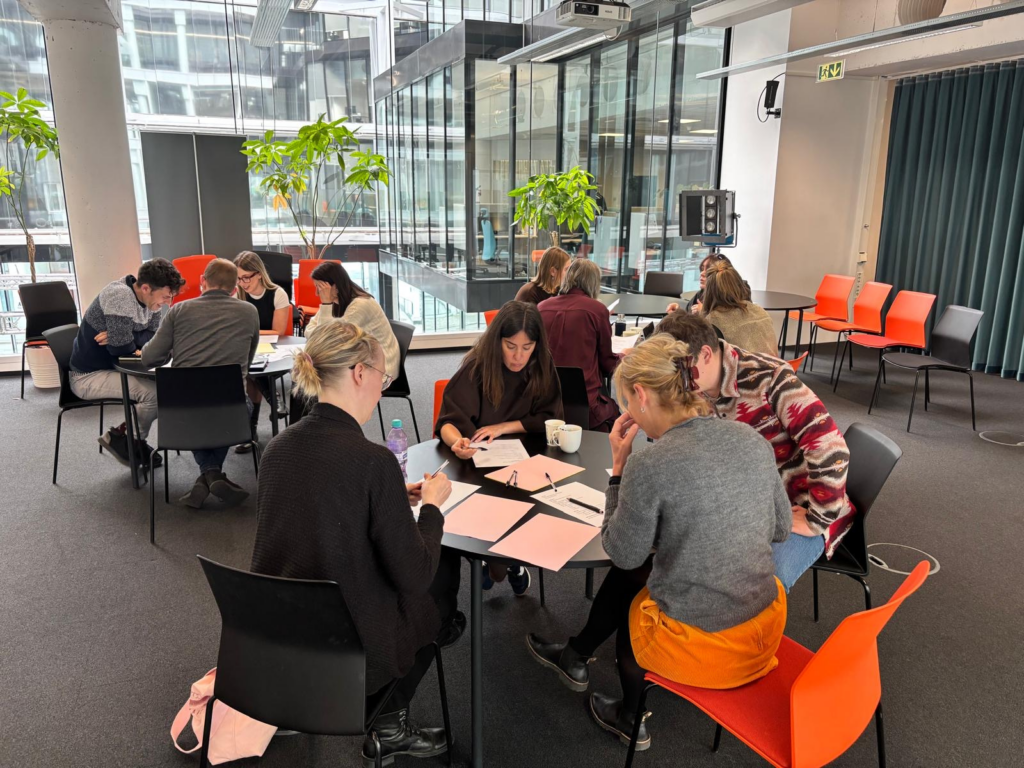
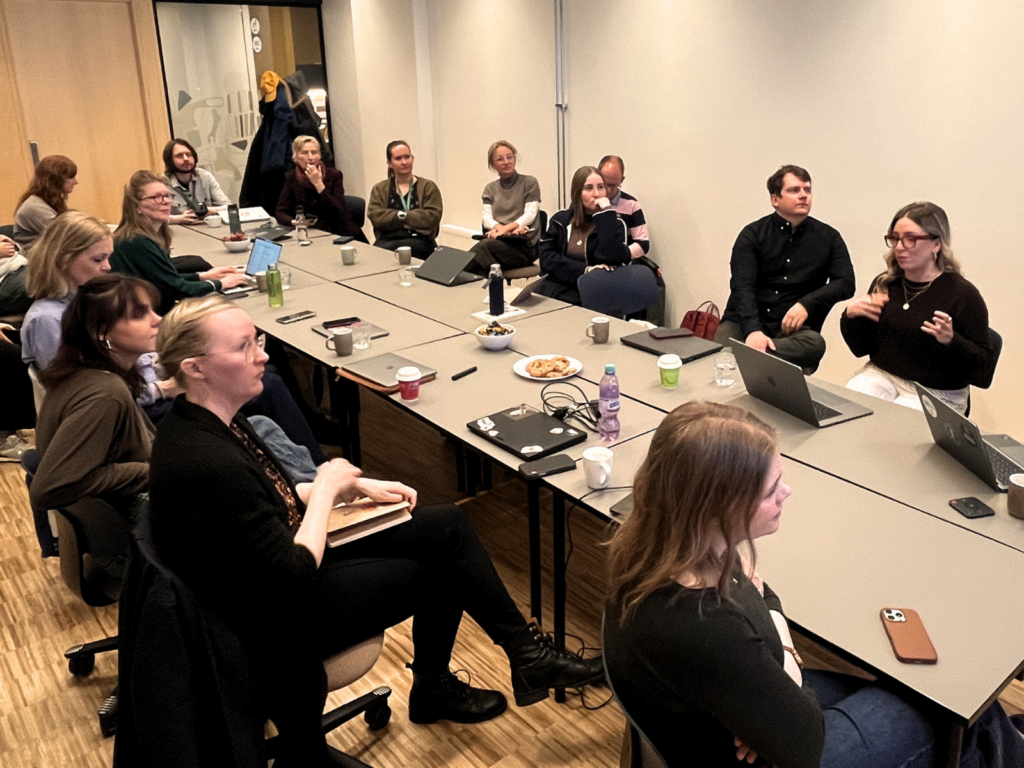
Our guiding question was this – how do we connect with young people through research communications? I expected, just as my colleagues did, to find some common ground with others working to solve the same problem, to be creatively inspired and to be challenged in my thinking. What I took away was so much more.
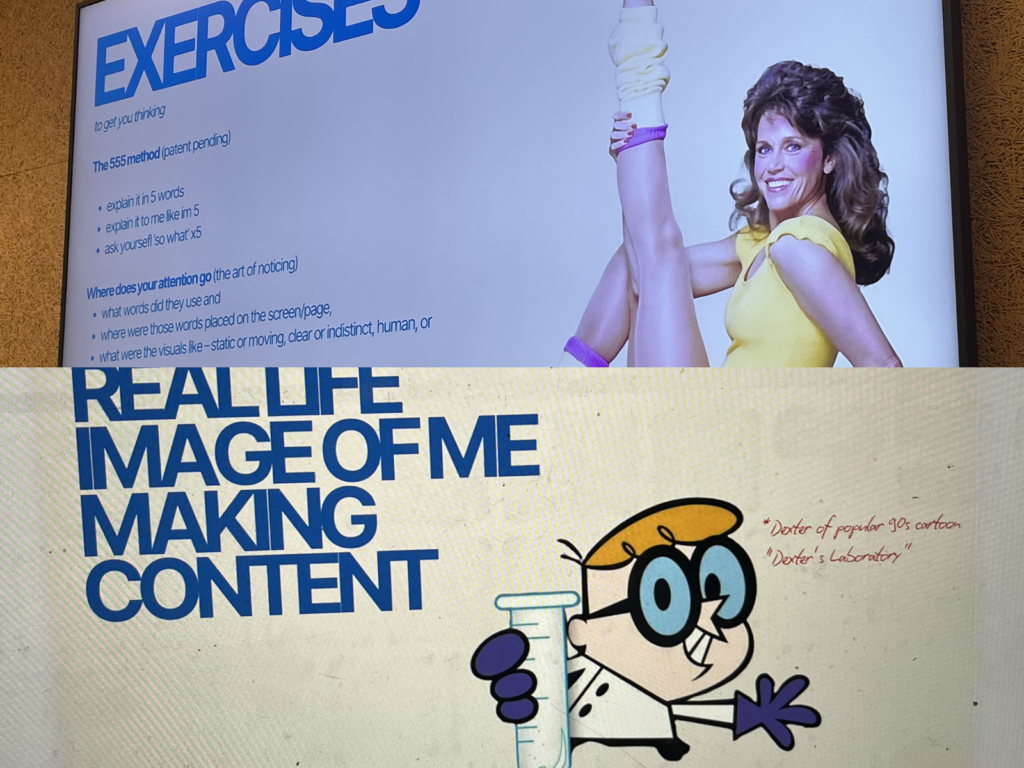
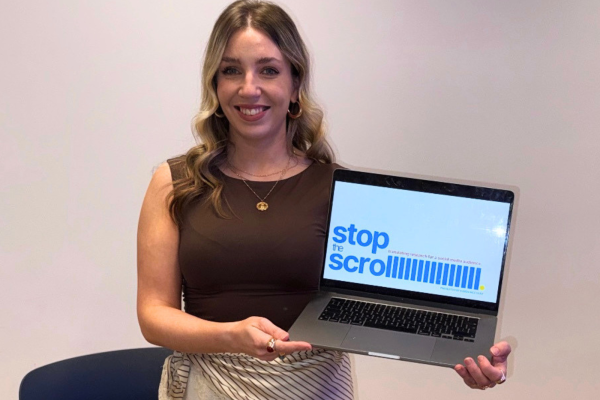
My own presentation looked at ‘stopping the scroll’ – how do we capture and maintain attention on digital platforms. I was delighted to be able to share some of my workflows and learnings from my time as a ‘digital storyteller’. I hoped to outline Trinity Communications’ strategy for ‘leading with impact’ and how this is key to this is designing what we call the ‘hook’ on social media – essentially the thing that grabs your attention as you scroll online.Making something that really resonates with younger audiences (who are, like us all, often bombarded with visuals, information and trends online) is a multifaceted process that needs a consistently creative approach, complimented by data.
It was so valuable then to meet with colleagues from outside my own day-to-day perspective, working in university research comms teams across European on events, marketing, public and schools engagement, media relations and digital (and for many, all things at once!!). You can meet them below in short video we made for our final presentation – of course we had to take multimedia angle!
Here’s what’s percolating in my brain after a week of sneak peeks into other comms teams, that may be food for thought for anyone else working on science or research communications:
- A university is a unique and exciting environment full of diverse knowledge and expertise. It’s a good reminder to ourselves ask – how can we harness this breath of knowledge, and work in an interdisciplinary way in order tostrengthen our storytelling.
- Connected to this – we should be free and brave enough to experiment! Change up your format and learn from what works – and what doesn’t!
- Content requires strategy but too much process can hinder creativity. Find a balance!
- Share our expertise and offer training and – there is huge benefit to sharing knowledge at department level or indeed with researchers themselves. They can learn to tell stories that are accessible and understandable, share their story wider and fill in gaps in our own resources. Create a network, not a one-man band!
- Look outside your field of vision – for a broader view of how to engage audiences. What could events do beyond digital, how can social support IRL experiences of research, what other channels and infrastructure can we leverage for reach?
- Involve young people by design – and start by engaging meaningfully with early career researchers. Use their native skills and knowledge of digital and unique sense of humour to connect in both directions, with them and with audiences.
- Assess your own language – how can we communicate the value of participating in research comms in the first place? It goes beyond asking researchers to ‘share their story’, we must clearly communicate the value of doing so! Show that you yourself are committed to making science accessible for the good of society and that they should be too!
Thank you to CHARM-EU and the University of Bergen for being such wonderful, thoughtful and warm hosts at the University and for facilitating conversations that have given me new motivation to confront, challenge and amaze through research communications!