The meeting highlighted the role of alliances in advancing skills, innovation, and cooperation, as well as the need to strengthen their contribution to Europe’s competitiveness in the face of global challenges.
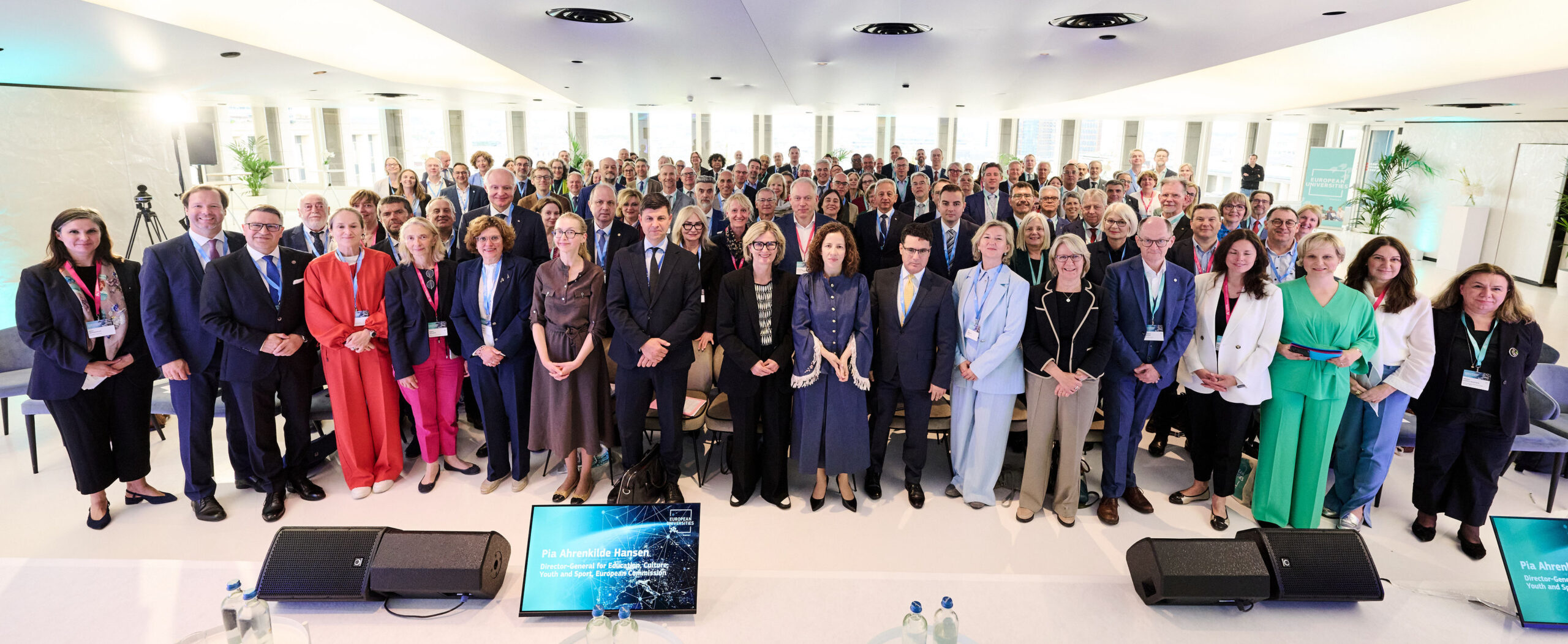
The summit brought together academic leaders and senior European Commission representatives to reflect on how alliances can further shape Europe’s education, research, and innovation landscape. Among the key speakers was Roxana Mînzatu, Executive Vice-President for Social Rights and Skills, Quality Jobs and Preparedness, who underlined the importance of universities for Europe’s future, stating:
“We need strong, independent universities where academic freedom is protected, where trust in science is encouraged, and where innovation and ingenuity lead to success, in Europe and globally. The European University Alliances can lead the way.”
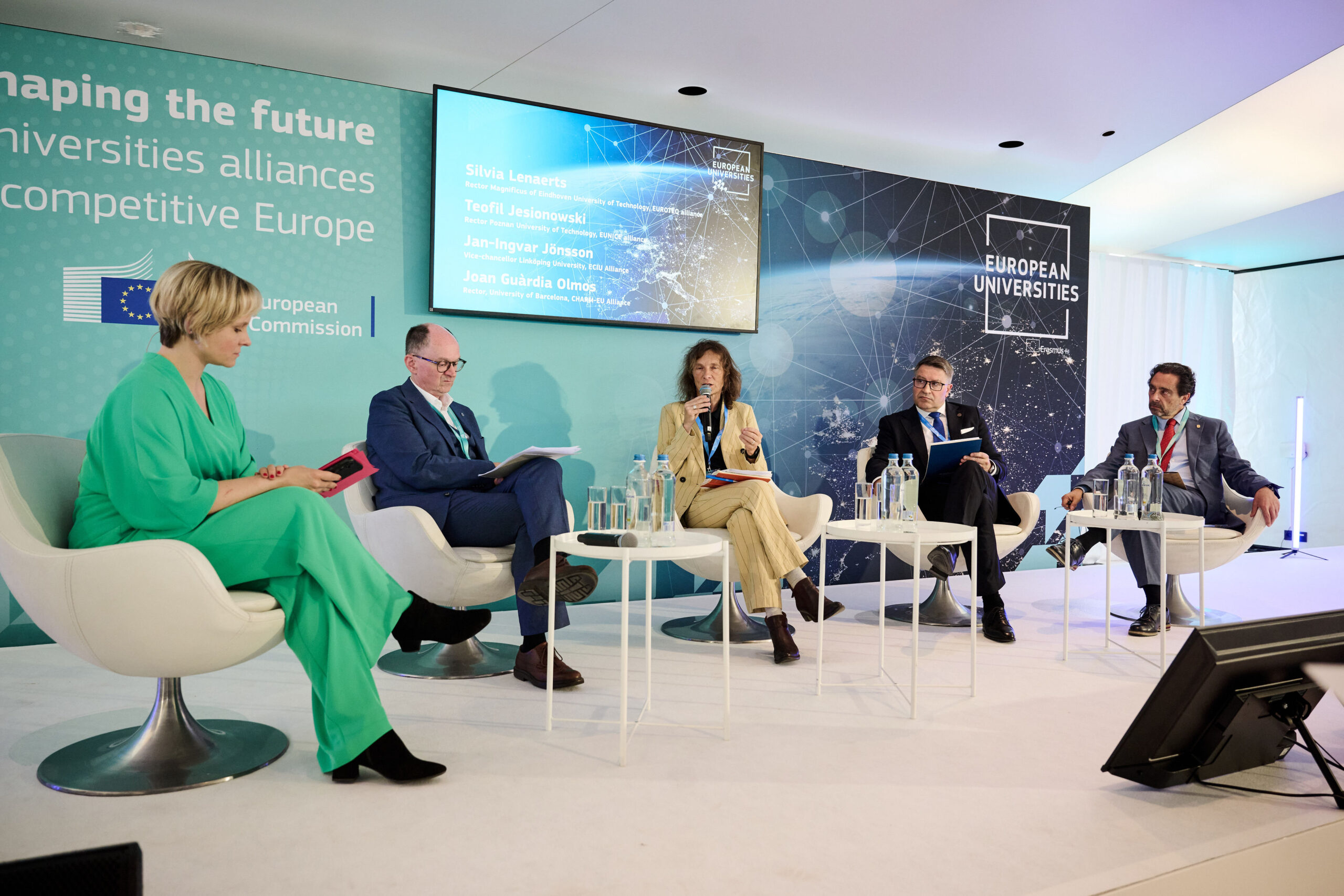
During the meeting, Rector Joan Guàrdia contributed as a speaker in the second panel, focusing on the role of European University alliances in innovation, competitiveness, and the circulation of knowledge within the EU Single Market. He emphasised that “European University alliances have already demonstrated their transformative potential in fostering deep cooperation across education, research, and innovation.” Looking ahead, he stressed the importance of reinforcing the research dimension, adding that “it is essential that the research dimension is more clearly and structurally embedded in the design and funding of the alliances.”
Prof. Dr. Paul Pauli highlighted that these alliances are already significantly strengthening academic collaboration across Europe, while stressing the need to secure long-term funding and expand research cooperation in order to fully realise their potential.
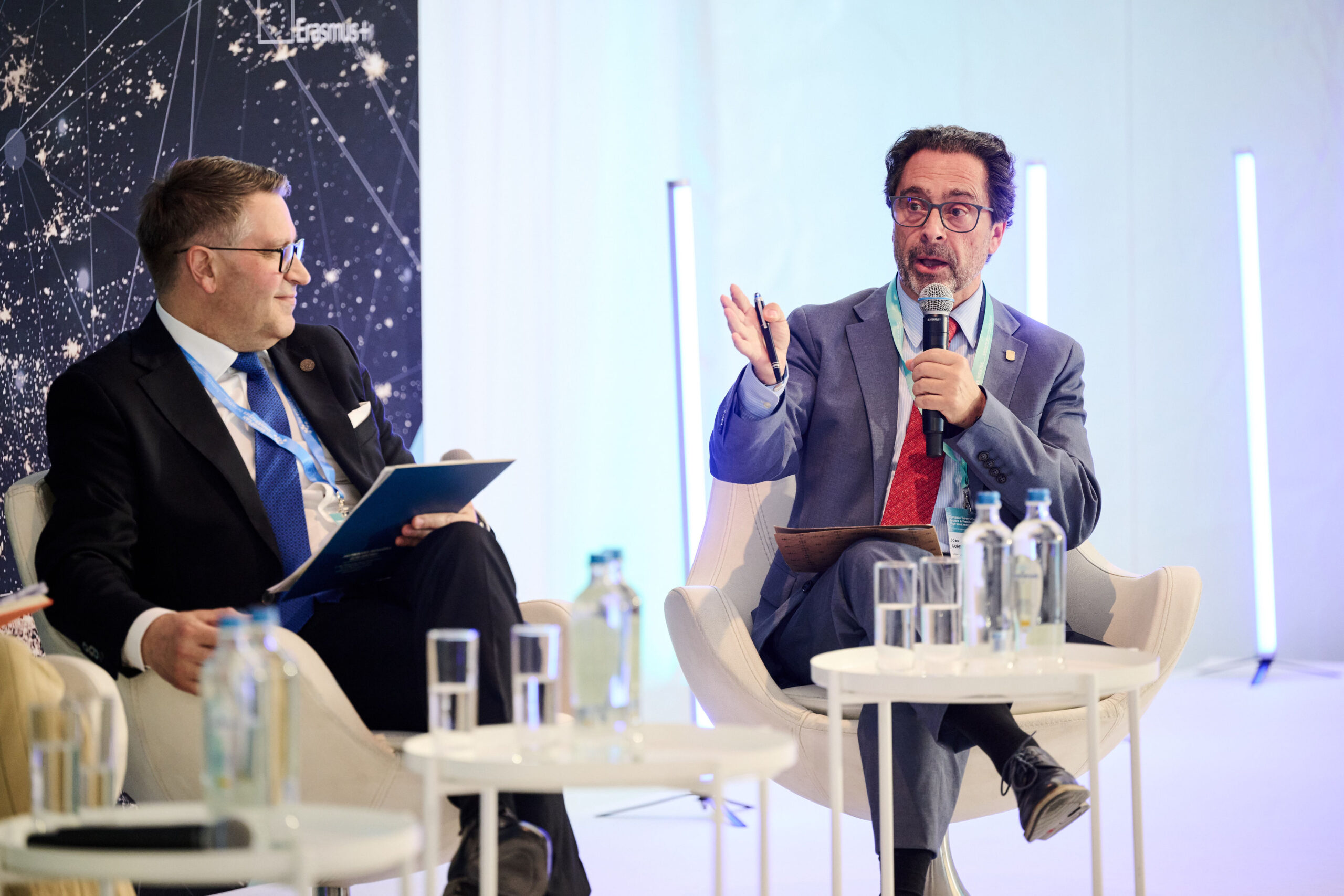
The discussions reaffirmed the strategic role of alliances such as CHARM-EU in building a more integrated European knowledge ecosystem. By strengthening synergies between education, research, and innovation, CHARM-EU continues to contribute to talent development, address Europe’s skills challenges, and enhance competitiveness in a rapidly evolving global context. The event concluded with an open exchange among rectors on achievements and future opportunities, followed by closing remarks and a formal dinner.
Key topics discussed
The meeting addressed several interconnected priorities shaping the future of European higher education. Participants explored how to advance the European Degree and strengthen talent attraction and retention across the continent, as part of the broader goal of completing the European Education Area. They also reflected on the need to modernise higher education systems at both national and EU levels to better respond to societal and economic transformations. A central element of the discussions was the role of university alliances in boosting EU competitiveness, particularly by contributing to the development of the Single Market’s “fifth freedom”, enabling the free circulation of knowledge, research, and innovation across Europe.