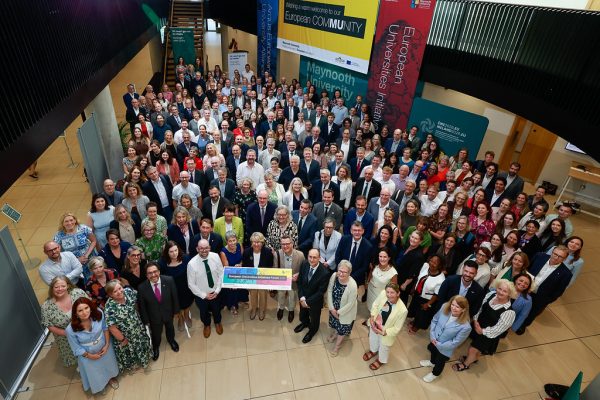
The Forum brought together members of European University Alliances to reflect on the future of transnational cooperation in higher education and the next phase of development for the European Universities Initiative. Discussions focused on how alliances can strengthen links between education, research, and innovation, contribute to Europe’s competitiveness, and support talent development across the European Education Area.
European University Alliances as Drivers of Transformation
CHARM‑EU was represented by colleagues from several partner universities, including Joan Guàrdia, Rector of the University of Barcelona, Meritxell Chaves, Secretary General of CHARM‑EU, Doris Alexander, Associate Director of European Engagement at Trinity College Dublin, alongside other CHARM‑EU representatives from Trinity College Dublin and the University of Barcelona.
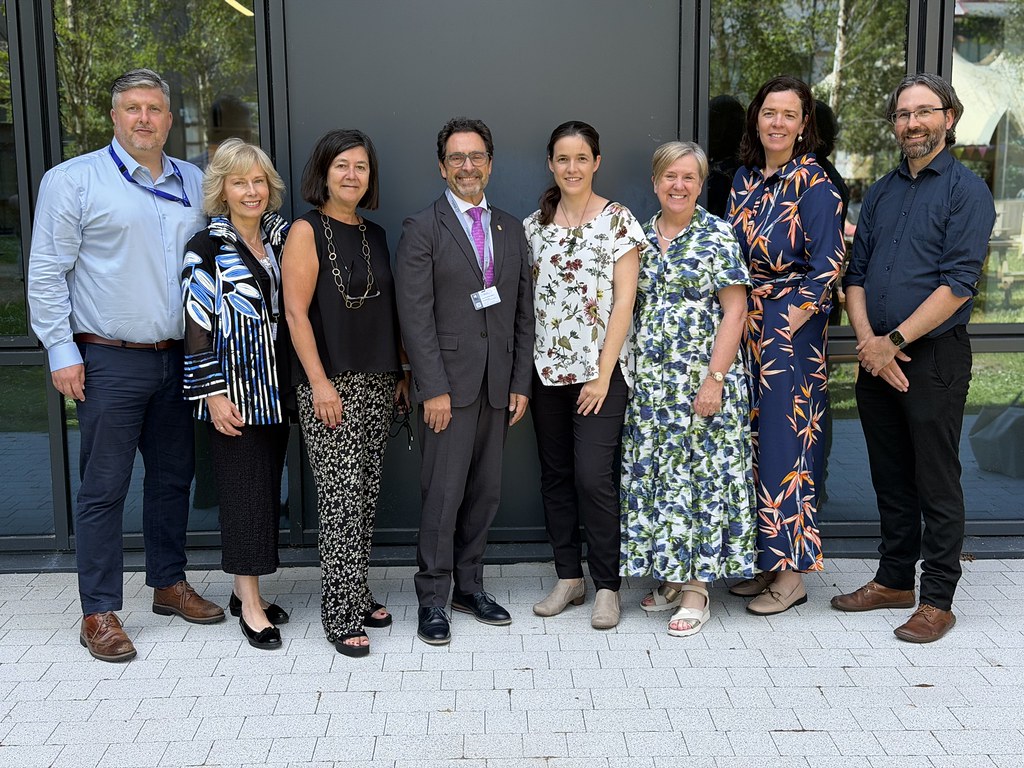
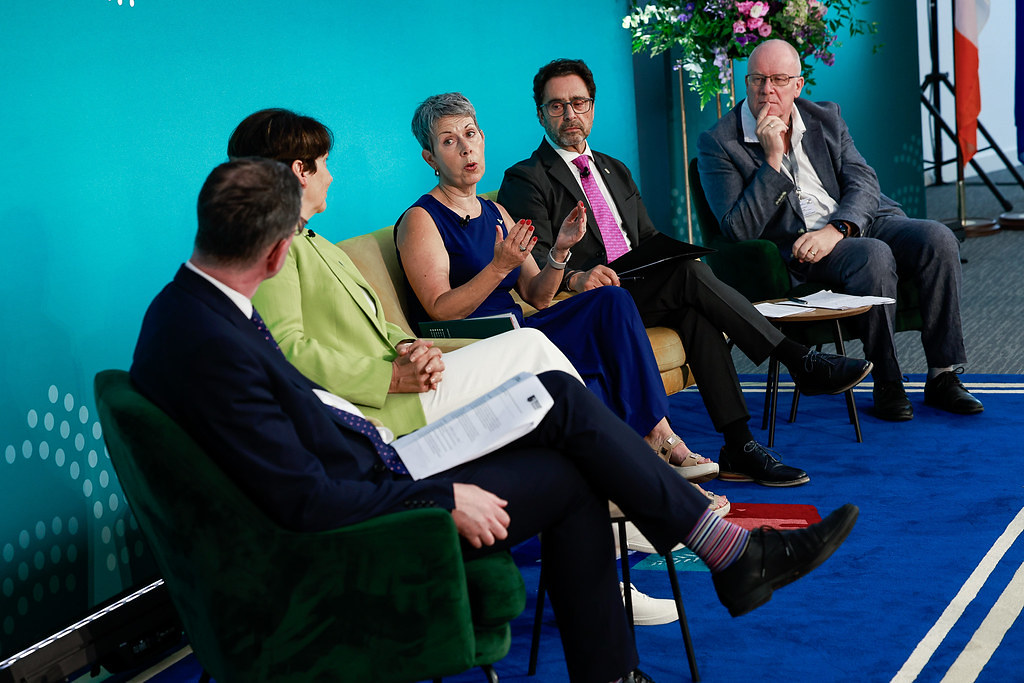
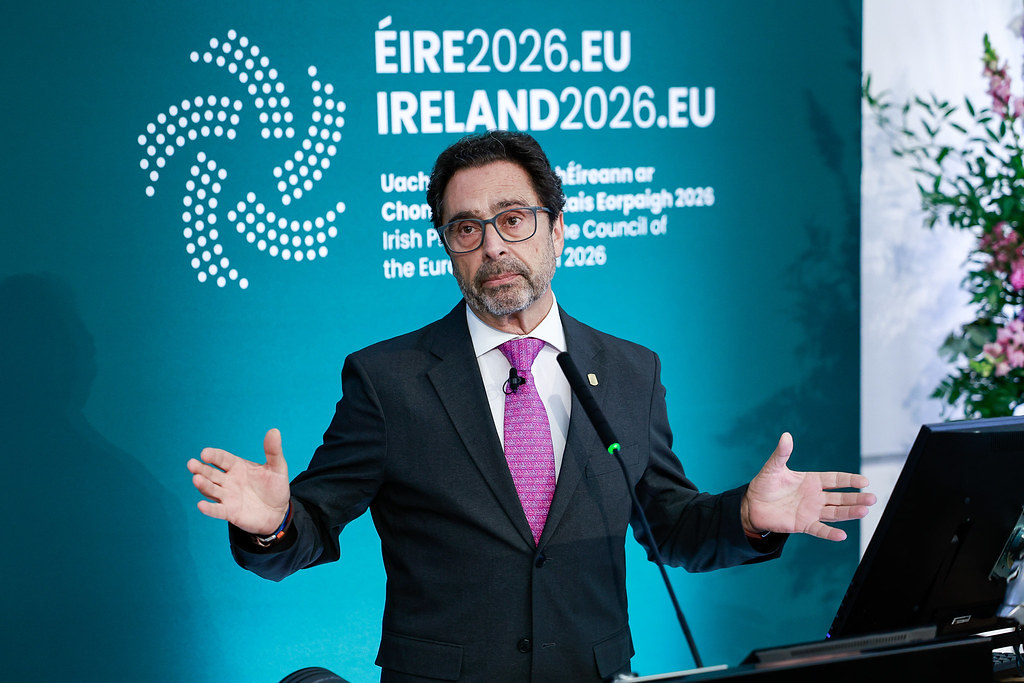
During the plenary session titled “The Rectors’ Perspective“, Joan Guàrdia joined university leaders from ENLIGHT, EU GREEN, and Una Europa to discuss how European University Alliances are transforming institutions and creating new opportunities through deep transnational cooperation.
Reflecting on CHARM‑EU’s experience, Guàrdia highlighted that European University Alliances have evolved beyond cooperation projects and are becoming strategic instruments for institutional transformation:
“CHARM-EU, and European university alliances more broadly, have transformed both the internal and external landscape of the University of Barcelona. Internally, they have influenced areas such as educational models and teaching practices, while externally they have strengthened our role in the governance of international initiatives.”
He emphasised the tangible impact alliances are having on teaching, learning, research, and academic collaboration, while also increasing universities’ capacity to contribute to European discussions on higher education, research, and innovation policies.
“Although there is still much work to be done, the University of Barcelona is fully committed to contributing to the future of a European knowledge and research ecosystem.”
Breaking Down the Silos
CHARM‑EU also played an active role in the workshop “Breaking Down the Silos: Education, Research and Innovation“, where Doris Alexander Associate Director of European Engagement and Co-Director of CHARM-EU at Trinity, said:
“European University alliances strengthen competitiveness not simply by doing more research, education and innovation together, but by changing how we collaborate, at scale, strategically, and across borders. And when we connect that model effectively to the private sector, to external partners, we move from knowledge creation to real economic and societal impact.”
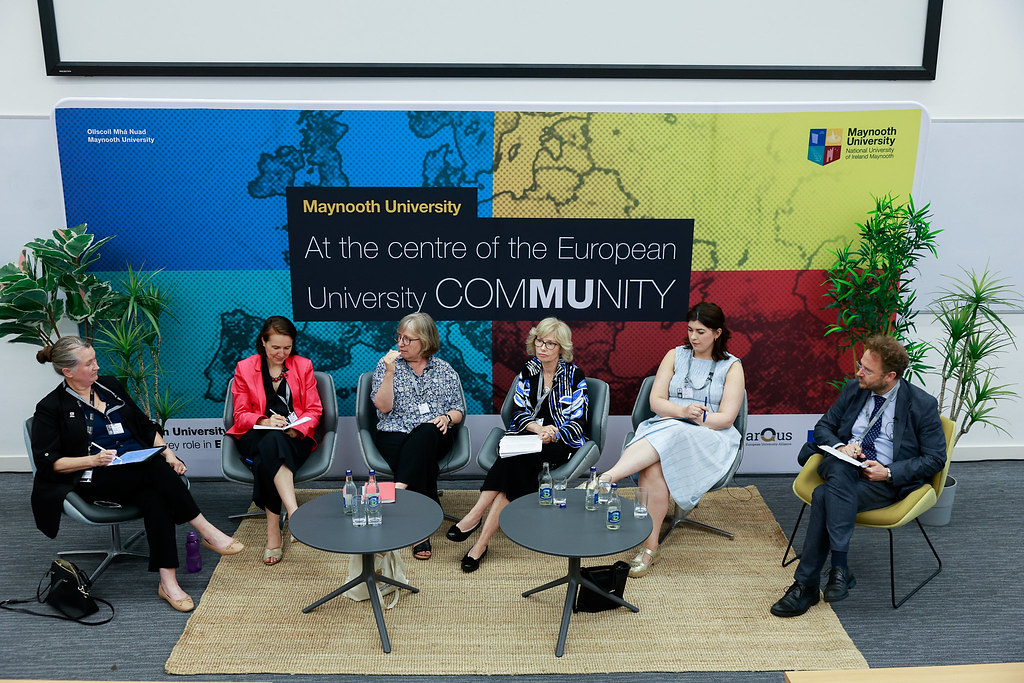
The session explored how European University Alliances can better connect education, research, and innovation activities while creating more integrated ecosystems for learning, knowledge creation, and societal impact. Participants also reflected on the barriers alliances continue to face, including governance, regulatory, and funding challenges, and discussed the changes needed to unlock their full potential.
A recurring theme throughout the discussions was the growing recognition that alliances are already advancing a more connected European Research and Education Area by facilitating collaboration across borders, fostering talent development, and promoting the free circulation of knowledge.
Building the Next Phase of the European Universities Initiative
Across the event, participants reflected on how alliances can continue to grow as long-term strategic partnerships and how their achievements can be better communicated to policymakers and stakeholders.
Discussions highlighted the importance of continuing to invest in people, skills, research capacity, and innovation while ensuring that governance and funding frameworks evolve to support the increasing ambition of European University Alliances.
The Forum concluded with a shared recognition of the significant impact alliances have already achieved and the opportunities ahead as Europe continues working towards a more integrated, innovative, and resilient higher education landscape.