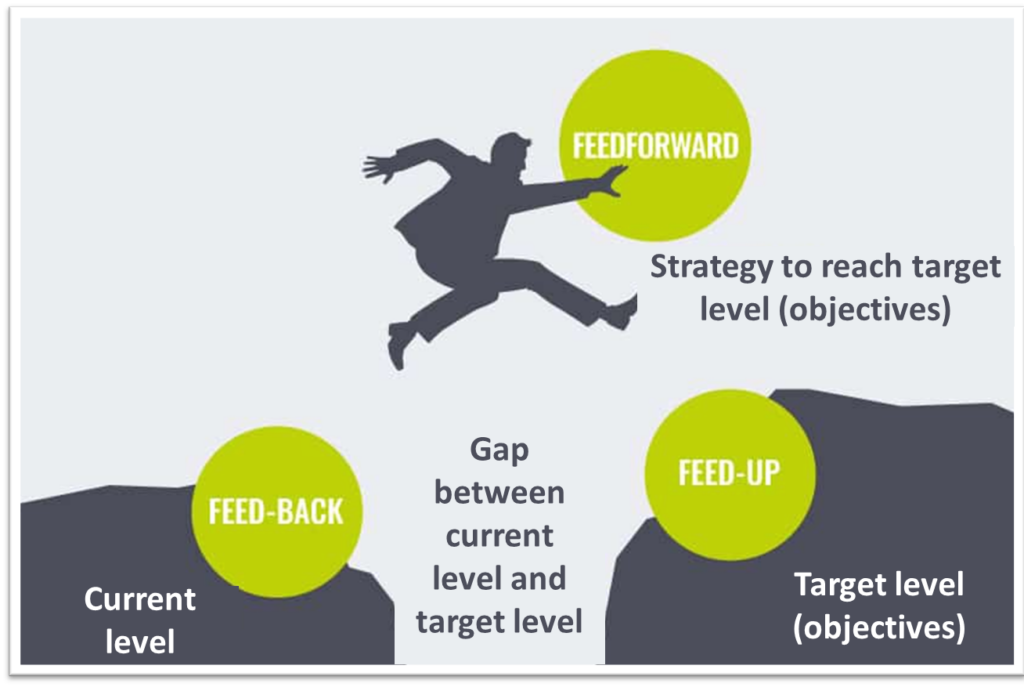
In the joint MSc programme Global Challenges for Sustainability high quality of feedback towards students is an important endeavor. This is important for our programmatic assessment approach, but also to enhance student-centered learning.
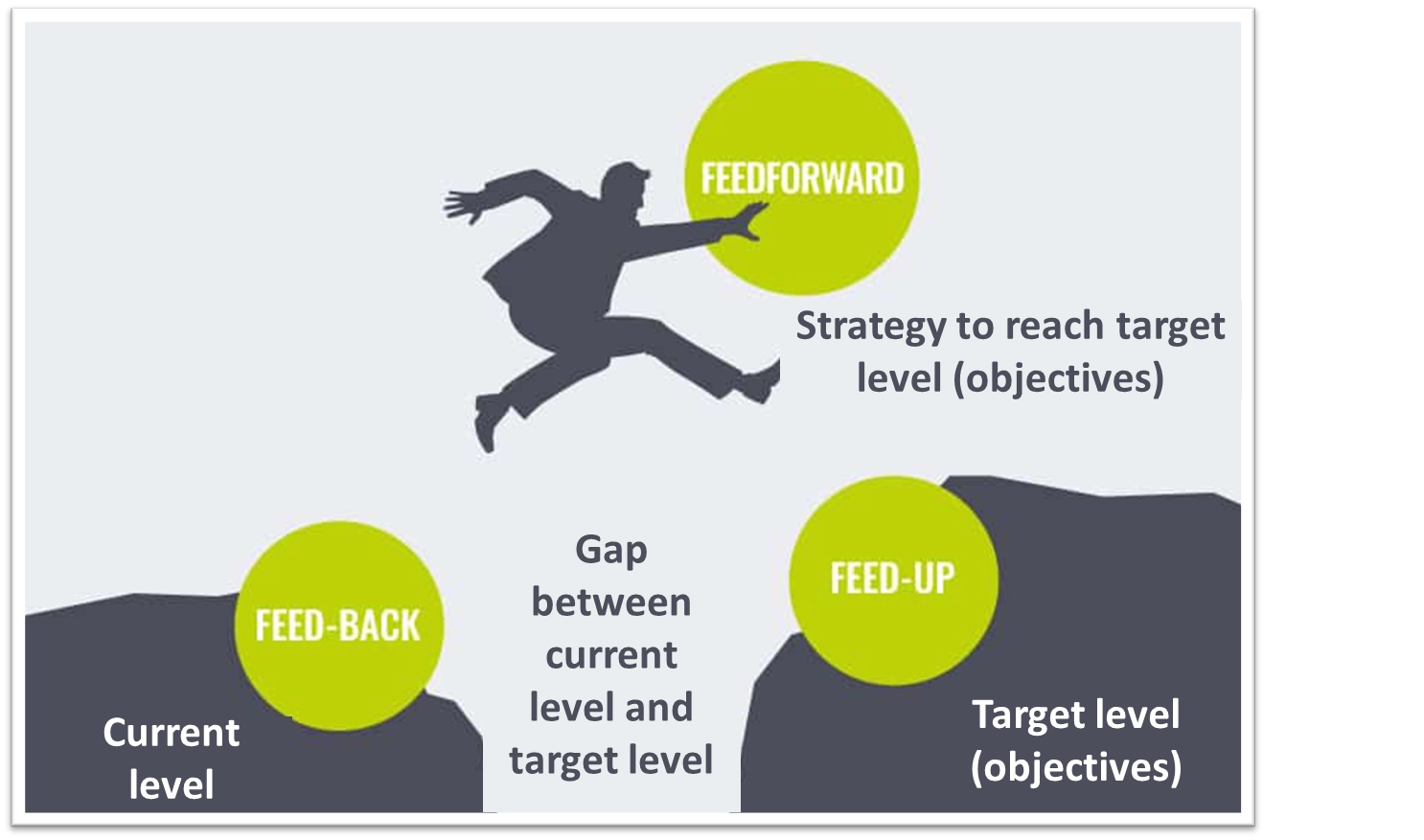
Figure 1. Effective feedback according to Hattie and Timperley (2007)
Read more
Effective feedback
In an educational context, feedback means providing specific information by comparing the observed behaviour of the learner to an objective standard. This information is provided with the intention of improving the learner’s performance or understanding (Hattie and Timperly, 2007). Feedback is an important element in the concept of programmatic assessment in CHARM-EU.
Activity plan
The Professional Development Team of the CHARM-EU Alliance developed an activity plan to introduce the most important elements of effective feedback in higher education. This activity plan consists of a lesson plan and additional slides that can be used to host a similar workshop in your own university or alliance.
Learning objectives
After this session, participants are able to:
- Explain the principles of effective feed up, feedback and feed forward.
- Recognise qualitative good feedback
- Apply feed up, feedback and feed forward to their own written feedback
- Explain the advantages and disadvantages of peer feedback
- Explain the importance and factors of feedback literacy
The materials include a first introduction to providing effective feedback in the form of a one-hour interactive workshop session. Facilitators will guide participants through the core principles of feed up, feedback, and feed forward, emphasizing the difference between formative and summative evaluations. Through case-based exercises and group discussions, attendees will practice identifying and applying these principles to real-life examples, ensuring a hands-on understanding of effective feedback. Participants will also examine the concept of feedback literacy, the understandings, capacities and dispositions needed to make sense of information and use it to enhance work or learning strategies (Carless & Boud, 2018). The workshop concludes with a reflective activity and a concise summary, leaving participants equipped to deliver thoughtful, constructive, and impactful feedback in their teaching practice.
SOMETHING FOR YOU TOO? CHECK OUT THESE RESOURCES!
WOULD YOU LIKE TO GET INVOLVED WITH THE TRANSNATIONAL ONLINE LEARNING INITIATIVE YOURSELF? SEE OUR GUIDES!
Are you interested in CHARM-EU’s activity plan on challenge-based learning? See our guides.
| Step | Action | CHARM-EU supporting document |
|---|---|---|
| 1 | Get a general overview of quality feedback in higher education | See resources in the previous section. |
| 2 | Use activity plan to host a workshop in your own institution | See resources in the previous section. |
| 3 | Exchange case examples of your approach | Contact CHARM-EU support staff through the form below selecting ‘I would like to get local educational support/consultation‘. |