
Training the next generation of researchers by immersing them in research challenges that closely reflect the needs of patients—this is the pedagogical and scientific ambition of the elective module entitled “Tackling Health Challenges in Internationally Linked Research Hubs”, or simply “Research Hubs”. Entirely delivered in English, the module was co-designed by the University of Montpellier and Utrecht University, in collaboration with SIRIC Montpellier Cancer, as part of the CHARM-EU alliance.
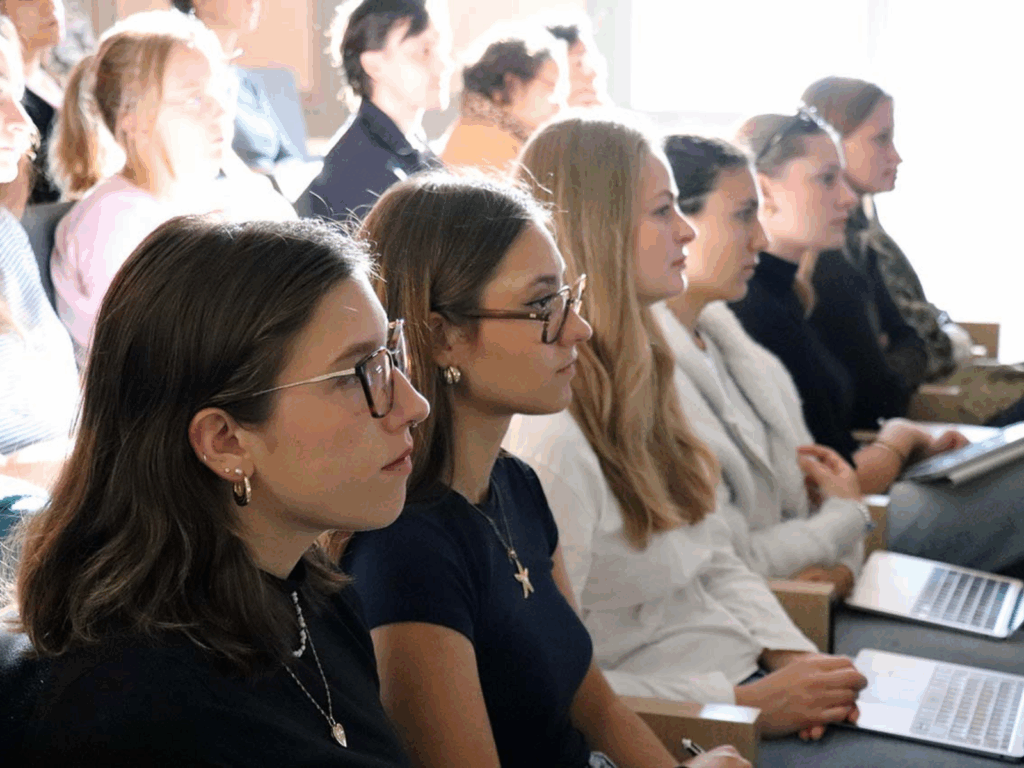
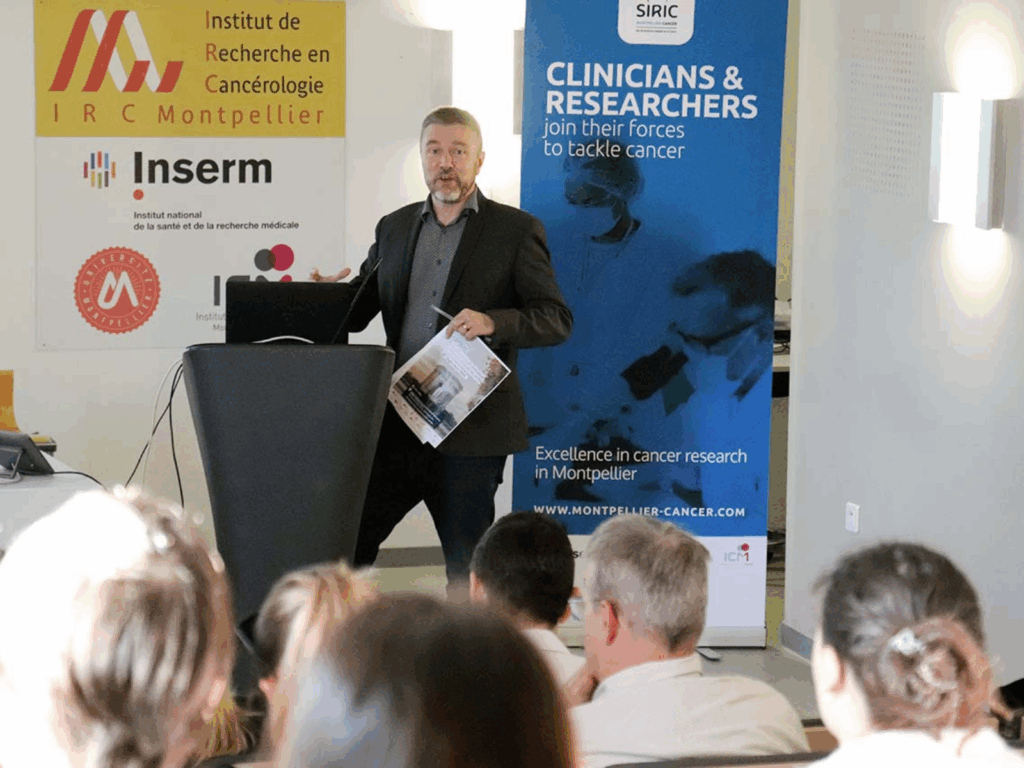
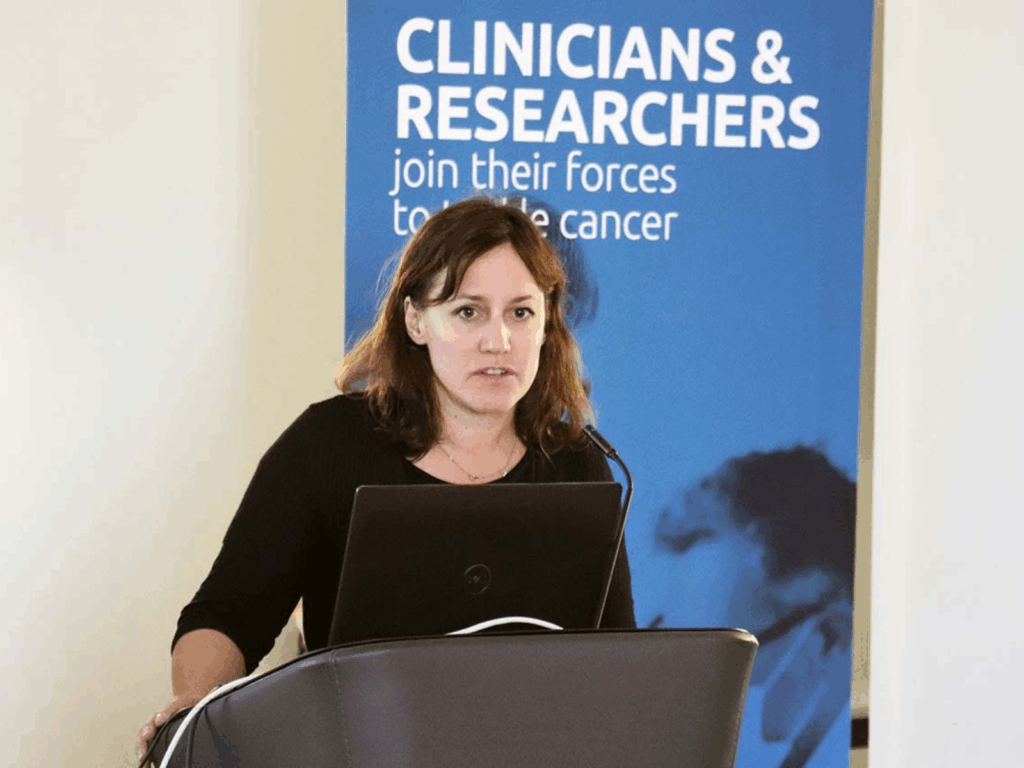
While the 2024 edition opened with an international conference focused on colorectal cancer screening and treatment, this year’s theme continues to explore therapeutic approaches to cancer—this time through the lens of immunotherapy. Once again, the event brought together clinicians, researchers, and patient advocacy groups. Whether attending in person or online, all participants shared their expertise with around thirty international students from Montpellier and Utrecht. Presentations addressed cutting-edge research and its application in therapeutic processes, as well as common toxicities associated with immunotherapy. These discussions were enriched by deeply moving testimonies from patients about their treatment journeys.
Combining Therapies and Real-World Challenges
The conference marked the launch of the second edition of this experimental module, which seeks to deepen the link between research and education by fostering pedagogical exchanges between Utrecht and Montpellier. This is made possible thanks to the commitment of coordinators from both teaching and research backgrounds who believe in the potential of this innovative approach to learning. Among them are Sandra Crnko and Niels Bovenschen at Utrecht University, and Sonia Cantel and Gilles Subra at the University of Montpellier.
For Gilles Subra—professor and researcher at the Max Mousseron Institute of Biomolecules (IBMM) and CHARM-EU Director at UM—the module offers a dual benefit: “It covers all aspects of immunology and its application in oncology, a globally prominent research area, especially with the rise of combined therapies. It’s even more relevant given that Montpellier hosts some of the world’s leading researchers in the field.”
This is why, in addition to SIRIC Montpellier Cancer, the module also involves the Montpellier Cancer Institute (ICM), the Montpellier Cancer Research Institute (IRCM), the Immune4Cure University Hospital Institute, and the University Hospital Federation Evocan-2. “From a pedagogical standpoint, the way students learn here is unlike anything else,” continues Gilles Subra. “They are confronted with real-world research problems—those that arise at the patient’s bedside. From the outset, they know they’ll be working in teams to find solutions. And since they come from either Montpellier or Utrecht, they bring different educational backgrounds and scientific training.”
Developing Valuable Skills
It is through transdisciplinary teams that students in the Research Hubs module will propose research projects related to immunotherapy, supported by an international network of researchers engaged in this field. This is the most effective way to develop essential transversal skills for conducting international research. These include drafting and securing funding for research proposals, collaborating across disciplines, managing projects, communicating effectively with colleagues from other fields, cultivating curiosity, and addressing problems from their fundamental scientific roots to their societal implications.
“We’re embracing transdisciplinarity in all its complexity,” emphasises Gilles Subra. “What makes a good researcher is their ability to work in a team, because no one possesses all the skills needed to carry out a project alone.” For Sonia Cantel, lecturer-researcher at IBMM, it’s a new way of introducing students to the world of research: “As educators, we want to show them that they can apply their scientific knowledge with common sense and purpose to address specific challenges.”
What Comes Next?
The five teams of students will present their research projects at the end of December. Early next year, several students will undertake internships in research hubs in Montpellier or Utrecht to extend their practical immersion in research. As for the module itself, the 2026 edition is expected to focus more closely on immunotherapies for the treatment of autoimmune diseases—new challenges lie ahead, and they are far from minor.
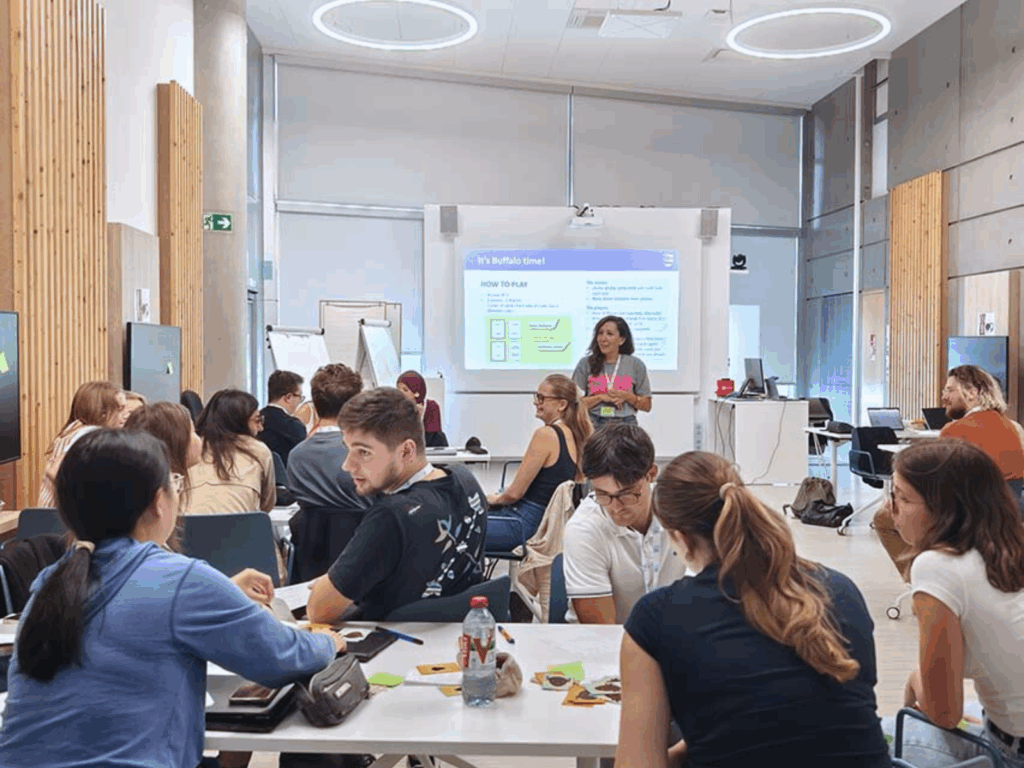
Research Hubs: A CHARM-EU Module Easy to Implement
According to Gilles Subra, this type of module is a replicable model that should be tested in other disciplines. “Thanks to the educational engineers and colleagues involved, we now have a truly turnkey format,” he says enthusiastically. “Any discipline could adapt this model: a public-facing conference on concrete themes, current research challenges, involving civil society and NGOs, followed by interdisciplinary group work and a small-scale project. It’s a model that’s both adaptable and financially sustainable. With support from the CHARM-EU teams, we can assist any motivated colleague in integrating it into their own master’s programme.”
This article was originally published on UM website.